From high-speed battering rams to gravity tractors,
the technology exists to protect the planet. The question is whether humanity will act in time — and in concert.
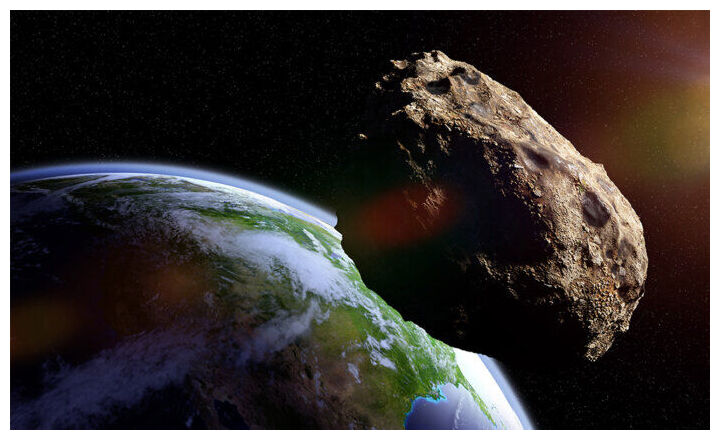
© Adobe Stock
Late last month, in broad daylight,
residents across Massachusetts and beyond saw a brilliant flash in the sky, followed by two sonic booms that rattled windows, shook houses, and prompted a flood of 911 calls. Some people thought they had just experienced an earthquake. Others thought it was thunder, an explosion, or a military flyover.
But the true source of all the commotion was out of this world — literally.
A small meteoroid, about five feet wide and as heavy as an elephant, had entered the atmosphere at a blinding 42,000 miles per hour before disintegrating dozens of miles above the ground. The midair explosion released a pressure wave equivalent to 230-300 tons of TNT, and any surviving fragments likely fell into Cape Cod Bay.
Since then, the story has captivated an American public already more space-crazed than usual, thanks to the
recent success of Artemis II. However, it has also served as
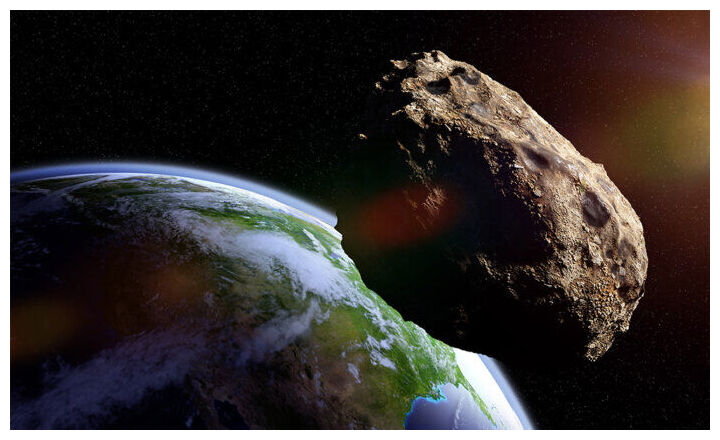
a stark reminder that space is not as benign or empty as it may seem. Rather, our solar system is a celestial shooting gallery, chock-full of flying projectiles — not just meteoroids but larger bodies, such as comets, asteroids, and other cosmic detritus — and Earth is right in the firing line. Earlier in May, for instance,
the newly discovered asteroid 2026 JH2, estimated at 50 to 115 feet wide, missed Earth by a "mere" 56,000 miles. Had it been on a collision course, it could have easily destroyed a big city.
But even that would not have been humanity's worst nightmare scenario. After all, some celestial goliaths can run a lot larger than JH2 — large enough to decimate entire countries and even continents. British physicist Stephen Hawking believed that a
cosmic impact poses one of the greatest threats to humanity, far greater than any global pandemic or terrestrial natural disaster. The question is not if we will suffer a direct hit but when.
















Comment: We don't just live inside the machine, we are for all intents and purposes its cogs and wheels.