

© Africa Studio – stock.adobe.comYoung woman coughing in bed, appearing ill.
Viral infections like the flu and COVID-19 can “awaken” dormant breast cancer cells hiding in the lungs, paving the way for deadly metastatic disease, a new study finds.
Viral infections like the flu and COVID-19 can “awaken” dormant breast cancer cells hiding in the lungs, paving the way for deadly metastatic disease, a new study finds.
Viral infections like the flu and COVID-19 can "awaken" dormant breast cancer cells hiding in the lungs, paving the way for deadly metastatic disease, a new study finds.
"Our findings indicate that individuals with a history of cancer may benefit from taking precautions against respiratory viruses," Julio Aguirre-Ghiso, a co-leader of the study and director of Montefiore Einstein Comprehensive Cancer Center's Cancer Dormancy Institute in the Bronx, said in a statement.Nearly all cancers have the potential to spread, or metastasize, to distant parts of the body.
Cancer cells can break off from the original tumor and travel through the bloodstream or lymphatic system to form new tumors in other organs.
These rogue cells may enter a "dormant state" to evade detection, chemotherapy and other treatments that target rapidly dividing cells.
Researchers have long suspected that chronic inflammation — when the body stays in a heightened state of alert long after the initial infection or injury has passed — can reactivate these dormant cells, allowing them to proliferate and establish new tumors.
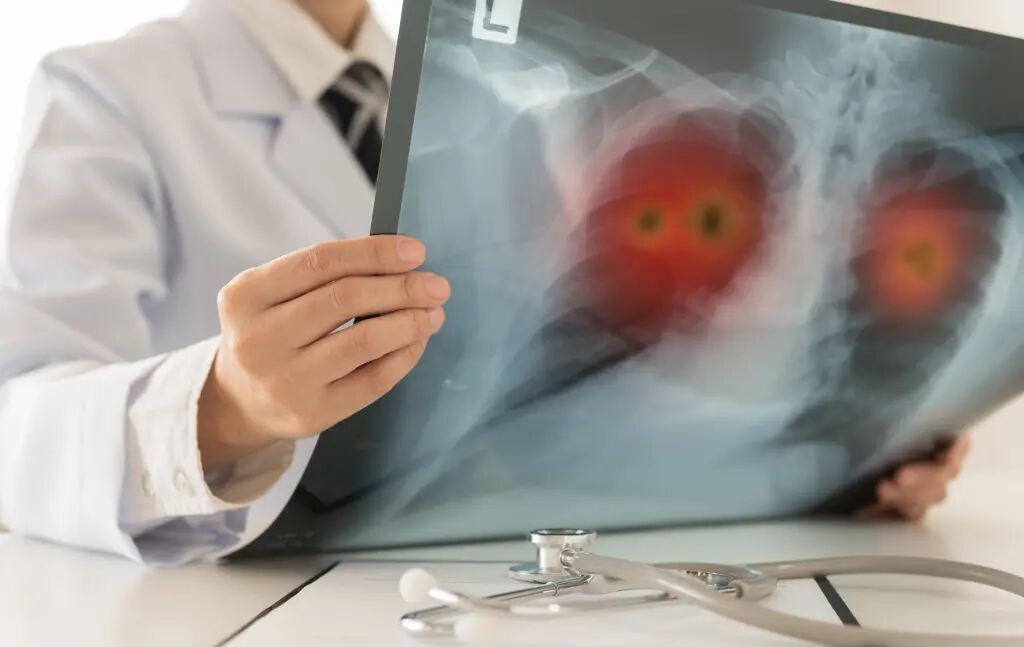
© utah51 – stock.adobe.comCancer cells can break off from the original tumor and travel through the bloodstream or lymphatic system to form new tumors in other organs, like the lungs.
Most cancer deaths are due to metastatic disease instead of the initial tumor.
To test the theory, Aguirre-Ghiso's team exposed mice with metastatic breast cancer and dormant cancer cells in their lungs to the flu or coronavirus.
In both cases, the infections roused the sleeper cells in the lungs, triggering a snowball effect that led to metastatic lesions within two weeks.
"Dormant cancer cells are like the embers left in an abandoned campfire, and respiratory viruses are like a strong wind that reignites the flames," explained James DeGregori, senior study author and deputy director of the University of Colorado Cancer Center.This process appears to be driven by interleukin 6 (IL-6), a key protein that's crucial in regulating immune responses, inflammation and other biological processes.

© Dragana Gordic – stock.adobe.comDetecting and treating respiratory infections early is key, especially in cancer patients.
The findings were published recently in the journal Nature.
See AlsoThe best medicineThis cancer often has no warning signs — a pioneering new treatment freezes it away
Though this study was conducted on mice, Aguirre-Ghiso's team identified research linking respiratory infections in cancer patients in remission to cancer metastasis.
The team plans to explore other cancer types and other sites of metastatic disease.
"Respiratory viral infections are forever a part of our lives, so we need to understand the longer-term consequences of these infections," DeGregori said.
Dr. Karishma Kollipara — a breast surgeon at Northwell's Staten Island University Hospital — said the study underscores the importance of preventative strategies for respiratory viruses, such as vaccination, and early detection of these infections, especially in patients with cancer.
Treating the infection quickly can shorten symptoms and curb the damaging effects of persistent inflammation.
"Viruses increasing cancer risk is not a new phenomenon in medicine — HPV is well known to increase risk of cervical cancer, and treatment of Helicobacter pylori is known to decrease stomach cancer risk," Kollipara, who was not part of the new study, told The Post.
"The common thread is preventative measures, such as screening and early treatment to decrease overall inflammatory and immune response."








Comment:
This article is an attempt at "damage control." The huge increase in cancers is not caused by Covid, the flu, or any other respiratory virus. It is caused by the so-called Covid-19 vaccines — the lethal mRNA shots that have triggered a massive rise in turbo cancers all around the world.
The article above tries to hide the actual reasons, falsely blaming respiratory viruses, while at the same time recommending that people get more "vaccines" to supposedly protect themselves from both the virus and cancer. This is pure evil — manipulating people through fear. It is the same method used during the Covid-19 "plandemic" to push as many lethal mRNA shots as possible.
See also: