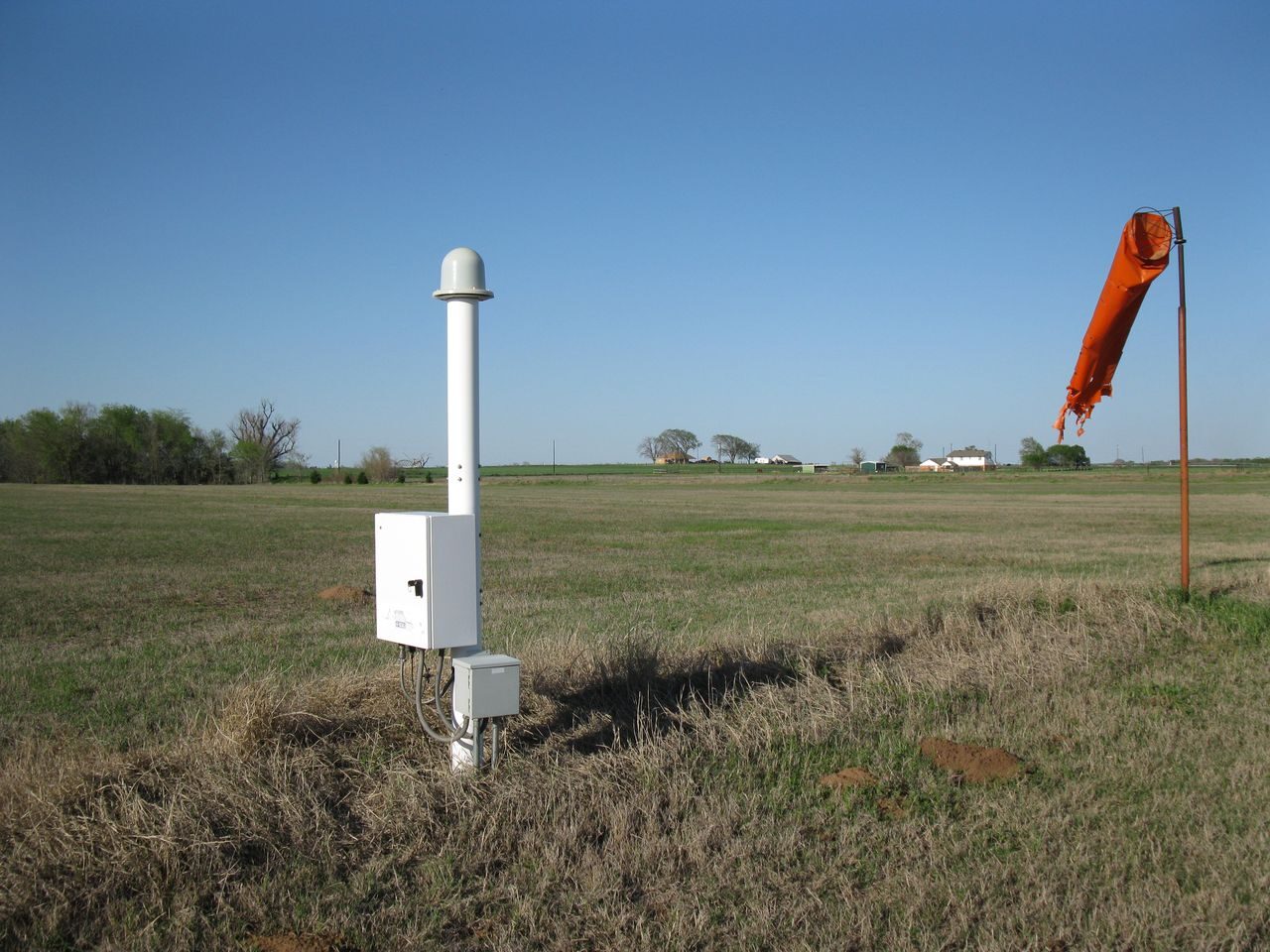
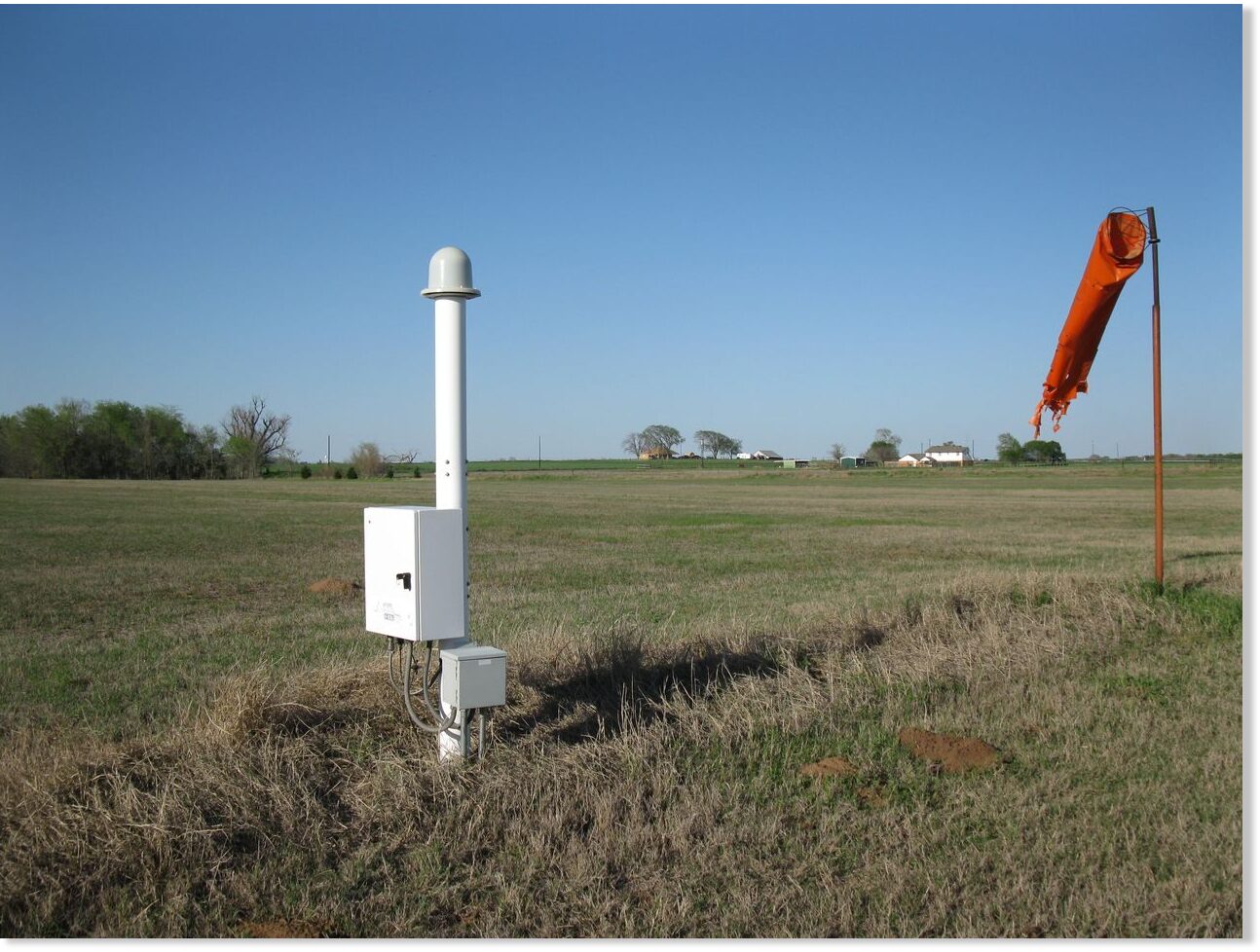
A lightning detector in the National Lightning Detector Network.
A lightning study done yearly through recent years shows Michigan had more lightning than usual in 2020.
In fact, almost one-quarter of our lightning in Michigan came on one July weekend.Vaisala owns the National Lightning Detection Network(NLDN), which it developed in 1989. Around 100 lightning sensors evenly distributed across the U.S. can count every lightning bolt, whether from cloud-to-cloud or cloud-to-ground.
Vaisala counted up all of the lightning pulses across the country, and put together
this interesting report.
The NLDN counted 2,317,693 in-cloud and cloud-to-ground lightning pulses across Michigan in 2020.
The map
below shows the density of lightning pulses. Chris Vagasky, Meteorologist, Lightning Applications Manager at Vaisala, defines pulses as the total of in-cloud strikes and cloud-to-ground strikes.












Comment: Spain records lowest temperature ever at -34C