Animals
S


Binoculars

'A Waxwing Winter': Soaring numbers of rare birds invade the UK

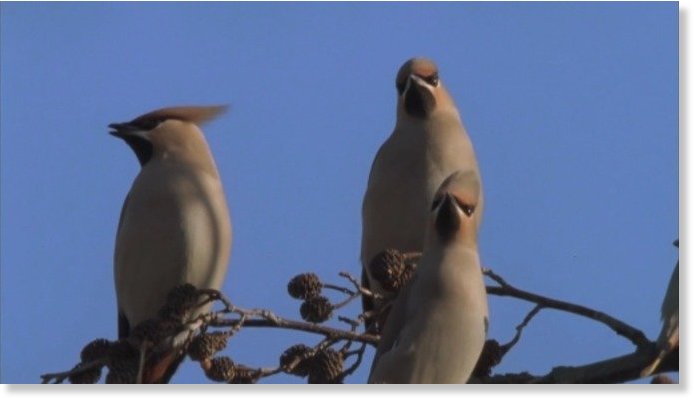
Waxwings
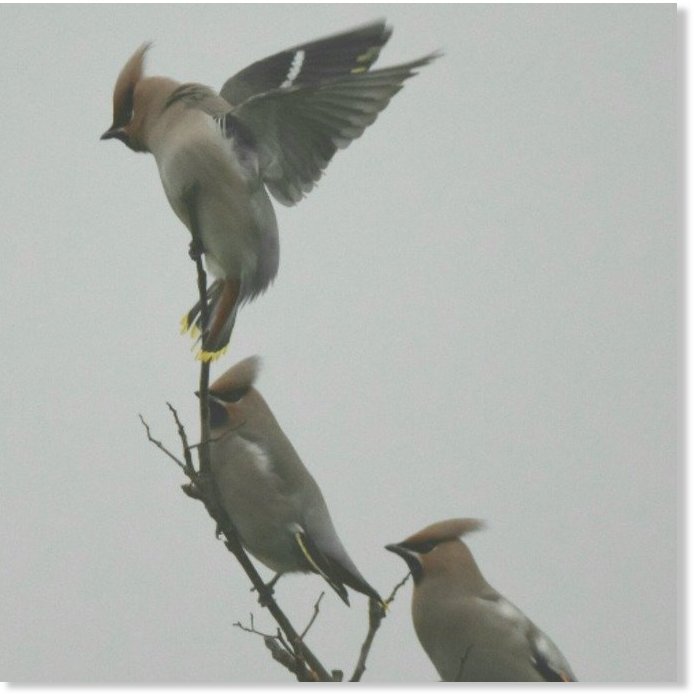
© Les WilliamsWaxwings
An unusual species of bird is enjoying a winter vacation here in the UK, according to the RSPB charity.

Waxwings are a small starling-sized bird with a prominent crest and colourful markings. They only travel here from Siberia and northern Scandinavia when they experience a particularly harsh winter or if there is a shortage of food.

So many have been spotted this year, the RSPB has described it as a 'Waxwing Winter'.
They're moving across the country from east to west and they're devouring trees full of berries .... Only ever 3 or 4 years do these birds come in large numbers.

- JAMIE WYVER, RSPB
The wildlife conversation charity hopes the rare winter visitor will encourage more people to take part in its annual Big Birdwatch, the world's biggest wildlife survey.

Waxwings mostly feed on fruit.
© Les WilliamsWaxwings mostly feed on fruit.

Comment: See also: Rare waxwing birds from abroad that signal harsh winter seen across Gloucestershire, UK as temperatures plummet


Attention

Woman plays dead to stop rogue kangaroo attack in Melbourne, Australia

Grey kangaroo
Eastern grey kangaroo
A 54-year-old woman named Debbie Urquhart has shared that she needed to play dead to stop a rogue kangaroo from viciously attacking her. The animal attack took place while she was jogging along a running track in Melbourne's northeast at about 6AM on Jan.14.

The incident happened just 500m from her Templestowe home in Melbourne's northeast. She has recalled that she was kicked by a kangaroo repeatedly. The woman said she was left with no other option but to fake her death.

Urquhart managed to jog her way home after the attack. She was rushed to the hospital, where she received 35 stitches in her arm, shoulder and buttocks.

Urquhart shared that the animal has ripped her to pieces. "I was trying to crawl away. He left me for a bit and I thought he was going to come back and kill me," she told Manningham Leader.

Attention

Ten dead dolphins are washed up on British beaches in just a few days

dead dolphin in Cornwall
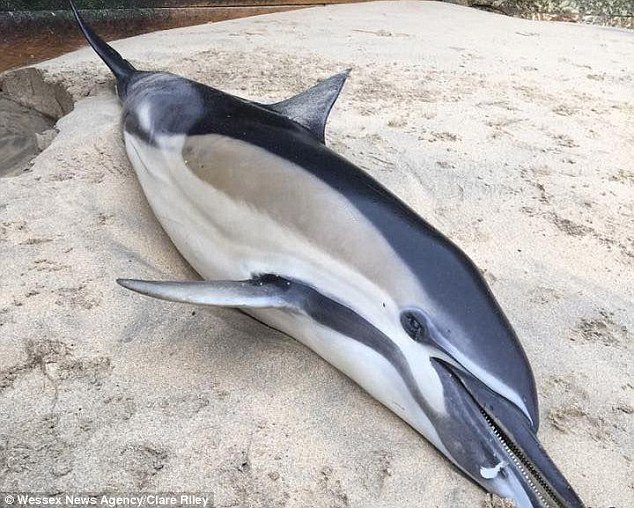
© Wessex News Agency/Clare RileyConcern: A dolphin found at Smeaton's Pier in St Ives, Cornwall is the tenth discovered dead along West Coast beaches in as many days, prompting fears over what could be killing them.
Ten dead dolphins have washed up on the beaches around the West Country in as many days, prompting fears among conservationists over the exact cause.

Pollution, trawler nets, inclement weather and jet skiers have all been cited as likely causes for the demise of these marine animals.

Clare Riley was among those who found the latest dead dolphin on the beach near Smeaton's Pier in St Ives, Cornwall.

'It was sad to see - I've been in Cornwall for six years waiting and hoping to see dolphins and I was finally rewarded two weeks ago with an awesome display of a pod playing and surfing the waves at Gwithian,' she said.

Another resident, Tony Mason, said: 'I saw them at Gwithian last Sunday, swimming around jet skiers. To then find that one dead was so sad. Such a beautiful creature.'

Between January and March last year, 61 dolphins, porpoises and whales were found dead around Cornwall's coast, the steepest rise in the death toll since 2006, according to the Cornwall Wildlife Trust.

They said previous post-mortem tests showed creatures washed up on the shores had died from a number of causes, including pollution, illnesses, natural causes and after being caught in fishing nets.

Comment: Last month in two separate incidents, thousands of dead fish were discovered on Pentewan and Marazion beaches in Cornwall.


Wolf

Child killed, two others injured by 3 dogs in Atlanta, Georgia

Dog attack
Police said one child was killed and two others were injured in an attack involving three dogs Tuesday morning in Southwest Atlanta. The attack happened around 7 a.m. Tuesday on Gideons Street. Police described the dogs involved in the attack as pit bulls that were not wearing collars.

Officers have identified the owner of the dogs as Cameron Tucker. The dogs lived about a block away from the scene of the attack, according to police.
UPDATE little boy died as a result of dog attack. Police say they've identified owner. This is one of 2 now in animal control custody pic.twitter.com/ZMuzNGK0RZ— Kaitlyn Pratt Fox 5 (@Fox5Kaitlyn) January 17, 2017
Officers described the boy who was killed as five or six years old. Syrai Sanders, a 5-year-old girl who survived the attack, was hospitalized Tuesday morning with critical injuries. A third child was treated and released from the hospital, according to police.

Attention

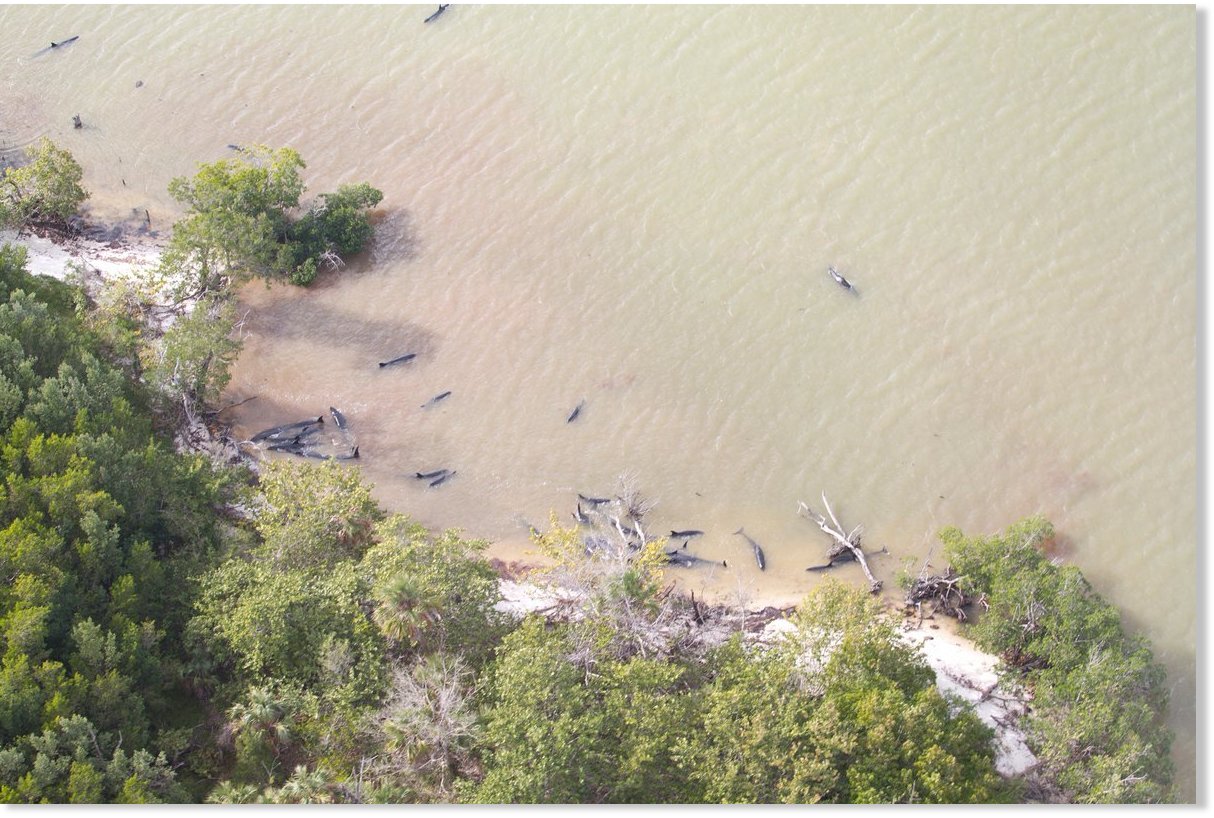
81 false killer whales dead in South Florida

dead whales
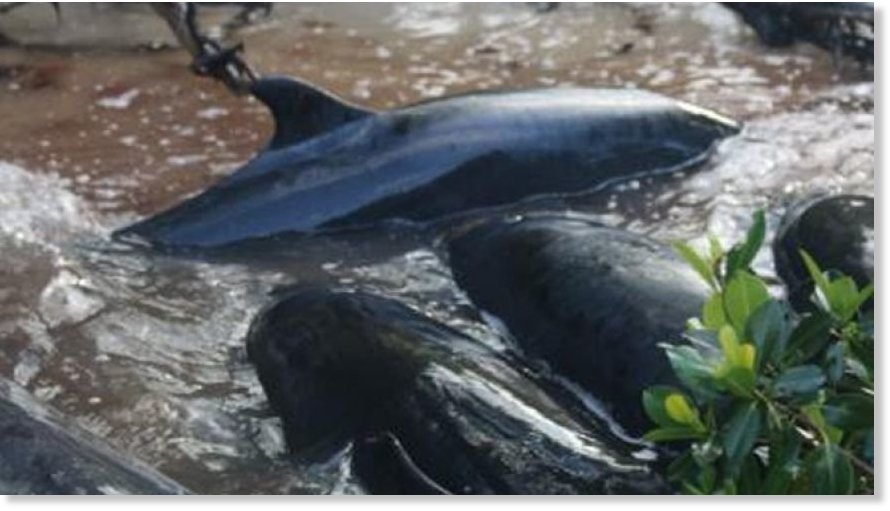
© NOAA Fish Southeast
More than 80 false killer whales have died after becoming stranded off Everglades National Park over the weekend in the largest stranding of the species in history.

The National Oceanic and Atmospheric Administration said that reports of the stranded mammals first came in on Saturday afternoon but rescue efforts by multiple agencies throughout the weekend were unsuccessful.

NOAA and the Florida Fish and Wildlife Conservation Commission told WSVN that the whales were scattered throughout the beach, with many getting tangled in mangroves in the western side of Everglades National Park.

Officials said that 72 of the stranded false killer whales died on their own, 9 were euthanized, 13 were unaccounted for and one whale was seen alive.

False killer whale stranding-area around scene in Everglades closed per the National Park Service-asking for no flyovers or boats for safety
© NOAA Fish Southeast False killer whale stranding-area around scene in Everglades closed per the National Park Service-asking for no flyovers or boats for safety

Info

Ancient Egyptian cemeteries discovered near Aswan by Swedish archaeologists

Ancient Egyptian cemeteries
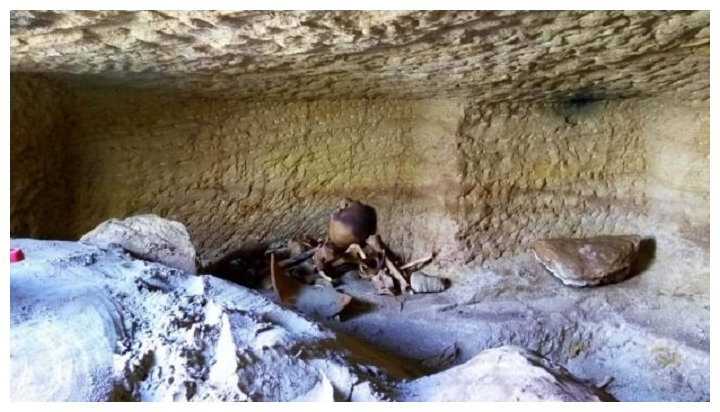
© Handout/ReutersSkeletal and animal remains are seen at one of the 12 newly discovered ancient Egyptian cemeteries.
Swedish archaeologists have unearthed a dozen burial sites near the southern city of Aswan that date back almost 3500 years to the New Kingdom era of ancient Egypt, the Antiquities Ministry said on Wednesday.

Human and animal remains were found in the cemeteries, which were discovered in the Gabal al-Silsila or Chain of Mountains area 65 km (40.3 miles) north of Aswan and would have been used during the reigns of pharaohs Thutmose III and Amenhotep II.

It is hoped the burial sites will help historians better understand ancient Egyptian healthcare and give a boost to Egypt's struggling tourism industry, which has been beset by political upheaval and militant attacks since the unseating of autocrat Hosni Mubarak in 2011.
Pharaonic scarab
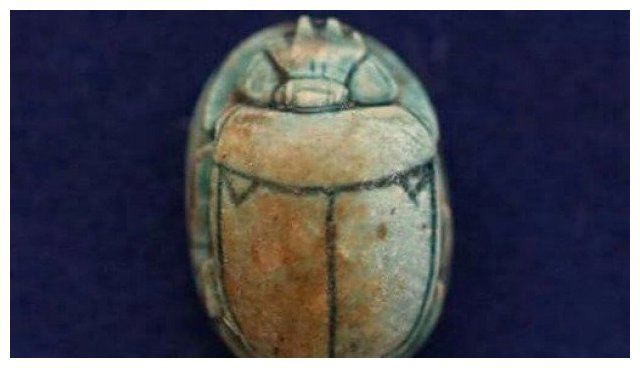
© ReutersAn Egyptian pharaonic scarab is pictured at the site of one of dozen newly discovered ancient Egyptian cemeteries dating back to the New Kingdom era.
Some of the cemeteries were for animals and contain one or two chambers with either stone or clay coffins, or ones made of cartonnage, Mahmoud Afify, the ministry's head of Ancient Egyptian Antiquities, said in a statement. Totems and scorpions were also found.

Smiley

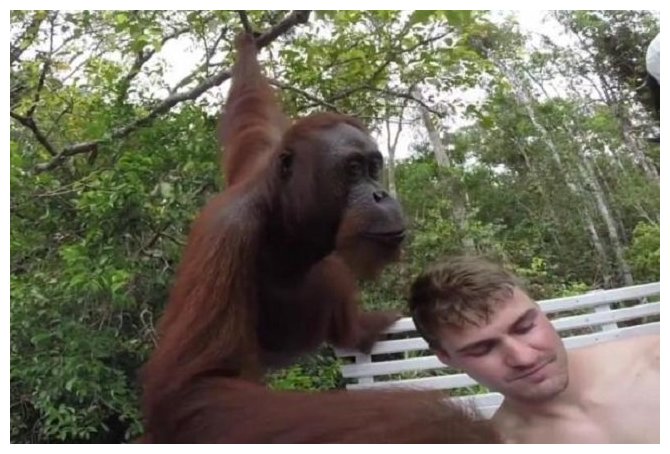
Orangutan slaps tourist taking a selfie!

Selfie with Orang Utan
© UPI
Jakarta -- A tourist traveling with friends in Indonesia captured their encounter with an initially-friendly orangutan that ended up slapping one of the men in the face.

The video, posted to YouTube by user RailGod, shows the group of men and their guides riding on a boat traveling down the Sekonyer river in the Borneo jungle.

"We came across a wild orangutan hanging over the river on our way to Camp Leakey, who joined us in the boat," the uploader wrote.

The orangutan appears unafraid of the humans and approaches them to receive some offered snacks. The primate appears content to take food from the hands and mouths of the men, but seems suddenly annoyed when one of the men attempts to take a selfie with it. The orangutan slaps the man in the face and quickly backs away from him.

"He just slapped me, like, right on the nose!" the uninjured man says through laughter. The orangutan hangs out at the back of the boat for a little longer before climbing back into the trees.


Info

Archaeological find in Yukon, puts humans in North America 10,000 years earlier than thought

Horse Jaw Bone
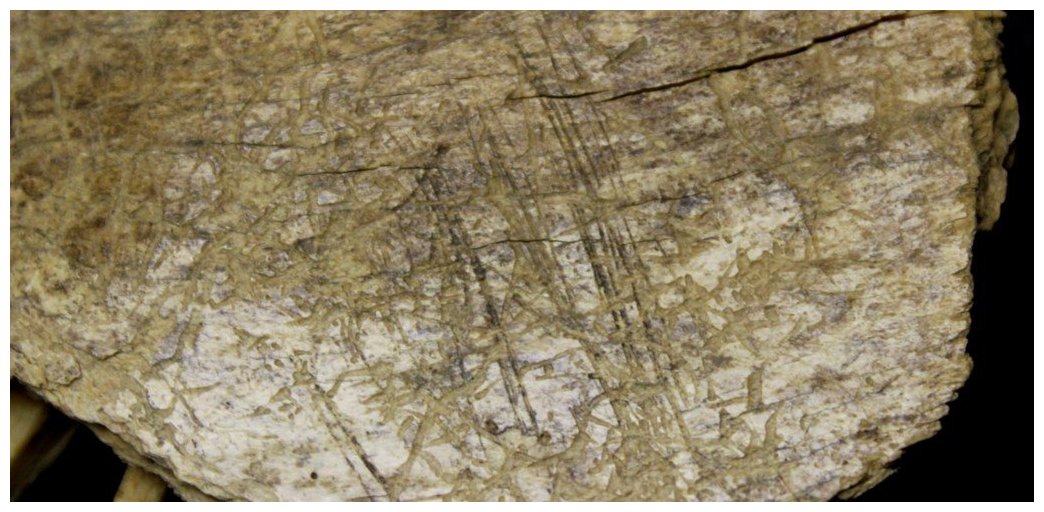
© Photo by Bourgeon et alCut marks in the jaw bone of a now-extinct Yukon horse serve as evidence that humans occupied the Bluefish Caves in Yukon, Canada, tens of thousands of years ago.
About 24,000 years ago, when much of North America was buried under the ice of the Last Glacial Maximum, a few hunters took shelter in a small cave above the Bluefish River in what is now northwestern Yukon. The hunters had killed a Yukon horse and were butchering it using super-sharp stone shards called microblades. As they sliced out the horse's meaty tongue, the microblades left distinctive cuts in its jaw bone. Millennia later, archaeologist and doctoral candidate Lauriane Bourgeon spotted those marks through her microscope at the University of Montreal and added the fragment of ancient jaw bone to her small selection of samples for radiocarbon dating.

The bones came from excavations led by archaeologist Jacques Cinq-Mars between 1977 and 1987 and have been in storage at the Canadian Museum of History in Gatineau, Quebec. At the time, Cinq-Mars and his team concluded that the Bluefish Caves showed evidence of occasional human use as much as 30,000 years ago. That is so much older than anything else found in the Americas that Cinq-Mars's conclusions were widely disputed, and the three small caves were largely left out of discussions about the peopling of the Americas.

Read more at Hakai Magazine

Binoculars

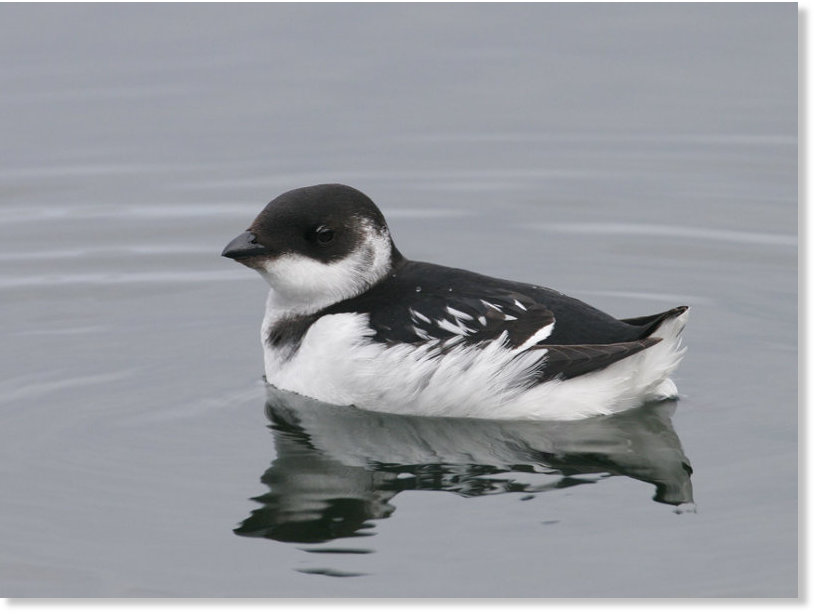
Dovekie seabird from the Arctic turns up in Bermuda

 Dovekie (Little auk)
Dovekie (Little auk)
You thought the recent weather was cold by Bermuda's standards? This little auk probably thought so too.

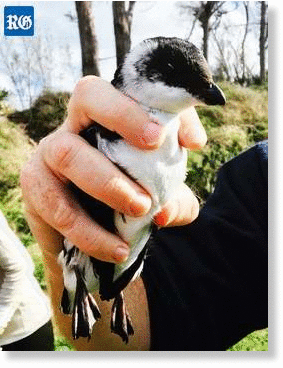
The dovekie, right, which is related to puffins and breeds in Iceland and Greenland, was found at Ferry Point Park by a group of American students on a field trip.

According to birder Andrew Dobson, it is the first dovekie found on the island in almost 50 years, and was brought here by strong winds.

Temperatures on Monday had fallen to a near-record low of 53F (12C), with winds gusting at 37 knots.

Dovekie
© Annie LeeDovekie (Little auk)
The dovekie is the smallest member of the auk family in the North Atlantic.

A seabird, it breeds predominantly in high-arctic regions and it winters in massive numbers in the low-arctic and boreal waters of northeastern North America.

Attention

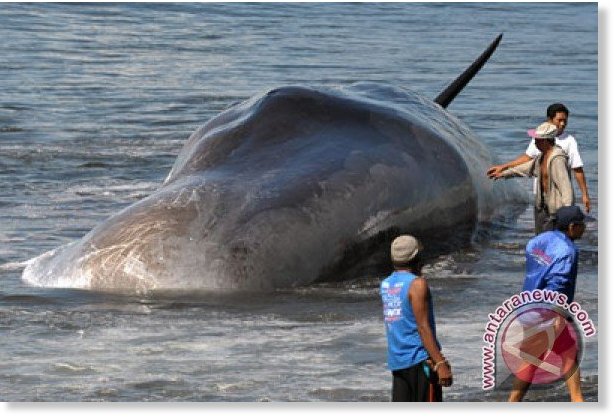
Dead whale found on East Lombok Beach, Indonesia

Photo document of whale stranded in Batu Tumpeng, Klungkung, Bali, on Monday (Jan. 14th, 2016).
© ANTARA/Nyoman BudhianaPhoto document of whale stranded in Batu Tumpeng, Klungkung, Bali, on Monday (Jan. 14th, 2016).
A dead whale was found stranded on Seriwe Beach in Jerowaru Sub-district, East Lombok District, West Nusa Tenggara Province.

"The dead whale was found by the local fishermen on Thursday," Senior Adjunct Commissioner, Dewa Wijaya of the West Nusa Tenggara Police stated here, Friday.

The whale, weighing four tons, was 10 meters long, and its diameter was one meter.

He believed that the whale was rather old, so it was easily washed ashore by the waves.