A hidden seismic threat is awakening beneath Canada's Yukon Territory.
The Tintina fault, long thought to be inactive, now shows signs of significant movement, suggesting it could unleash massive earthquakes.
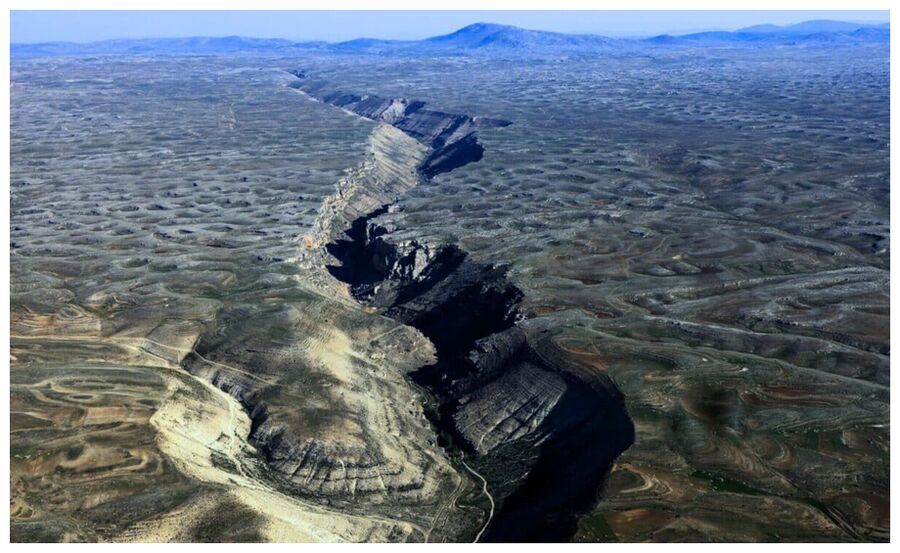
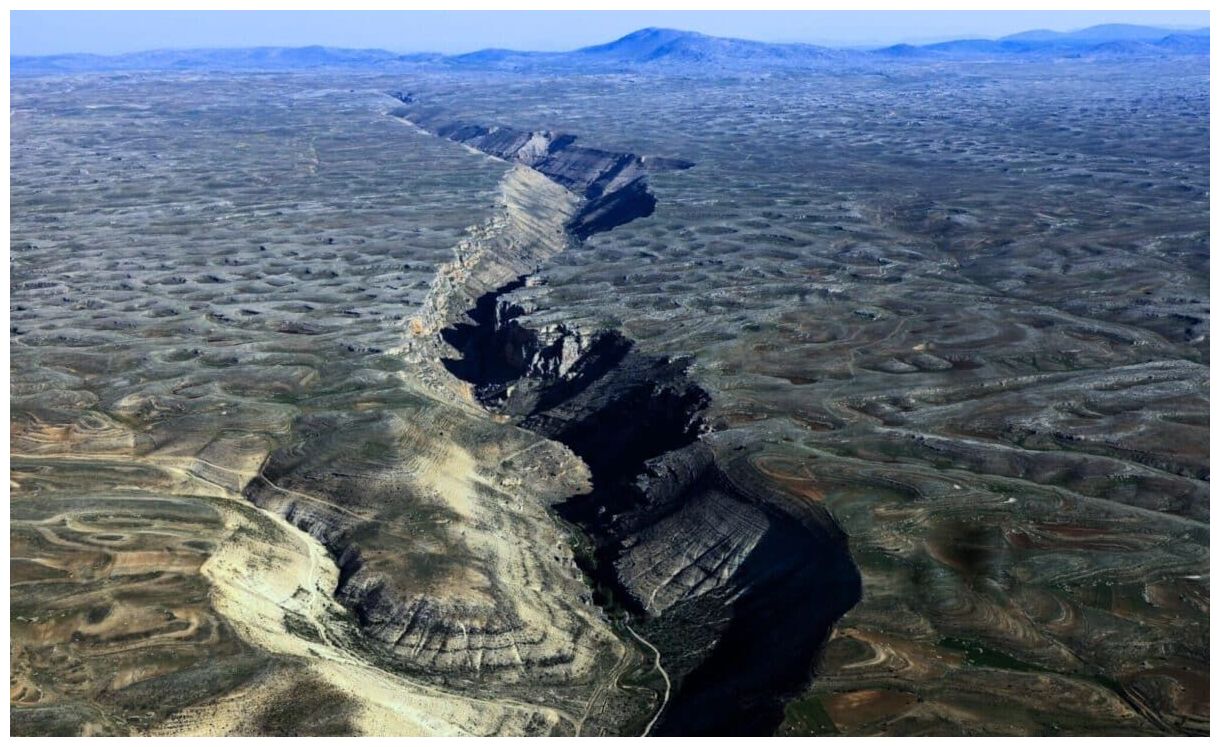
© iStockAerial Photograph of Geological Landform, Mersin – Turkey.
Stretching over 1,000 kilometers (621 miles) from the Yukon into Alaska, the Tintina fault is one of the major geological features in western North America. It runs parallel to the Yukon River, marking a significant divide in the Earth's crust where two
tectonic plates meet. Over its history, the fault has shifted laterally by a remarkable 450 kilometers (280 miles), making it an essential player in understanding the region's seismic landscape.
For a long time, scientists believed the fault had been inactive for at least 40 million years, largely because there had been no significant seismic events associated with it during recorded history. This view began to shift when recent research uncovered new evidence that the fault may still be capable of
large ruptures, potentially putting the area at risk for powerful earthquakes in the future.

© Geophysical Research LettersPhysiography and seismotectonics of the Yukon Territory. Quaternary scarps along the Tintina fault in this study are highlighted with a red line.




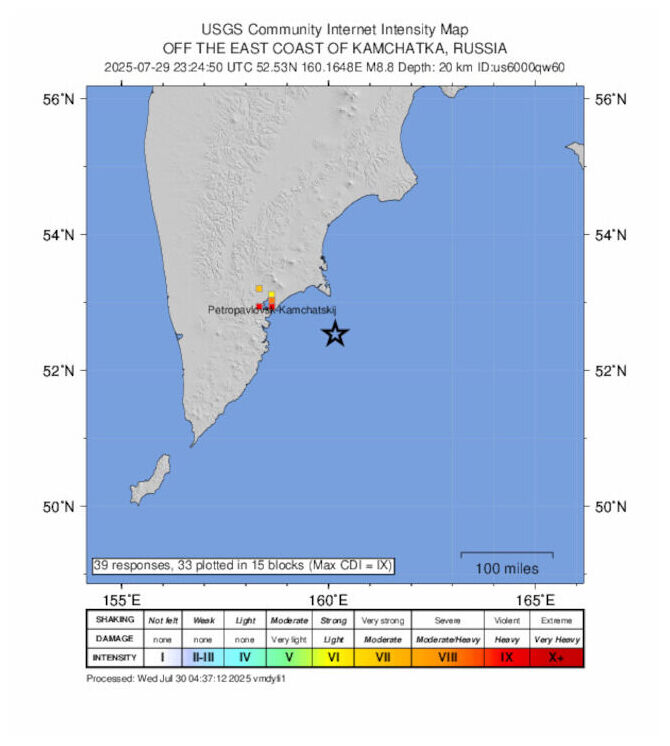




Comment: 8.8 magnitude earthquake in Russia's Far East triggers tsunami alert