Health & WellnessS


Butterfly

Research shows peppermint oil may be an effective alternative treatment for IBS

peppermint oil
Irritable bowel syndrome (IBS) is a painful and sometimes debilitating condition involving attacks of abdominal cramping along with constipation, diarrhea, or both alternating with each other. While pharmaceutical drugs often result in troublesome side effects, research shows that peppermint oil, in enteric coating to prevent heartburn, may be an effective alternative treatment for irritable bowel syndrome.

In a literature review of 16 studies, the effects of taking 180- 200 milligrams of enteric-coated peppermint oil for IBS were analysed. The success rates for peppermint oil were an average of 58%, while that for the placebo, used in 12 of the studies, was 29%.

Rates of effectiveness for peppermint oil reached 93% in one of the studies, but its quality was less assured as it was an open-label trial. There was no difference in the effects of peppermint oil compared to smooth muscle relaxants, but its effects were inferior to "stress management" in one study.

Comment: Changing the diet to exclude wheat and dairy will also help to alleviate symptoms of IBS as well as a host of other digestive problems, as gluten may cause or worsen the symptoms commonly associated with 'irritable bowel syndrome. GMO's contained in grains, and particularly corn and soybeans have also been found to be related to inflammatory bowel disease.

As well as a change in diet, there are other alternative methods that can help improve IBS:


Red Flag

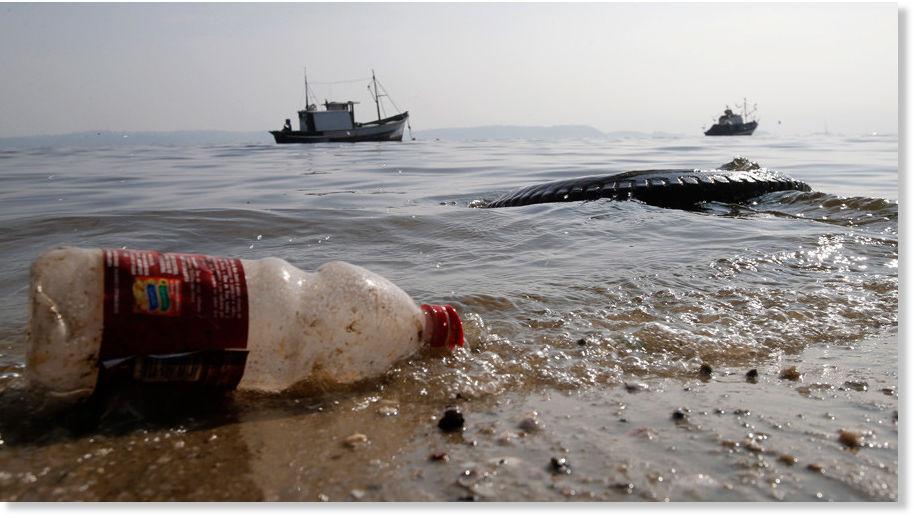
Study finds alarming amount of plastic and fibrous material in fish

Image
© Sergio Moraes / Reuters
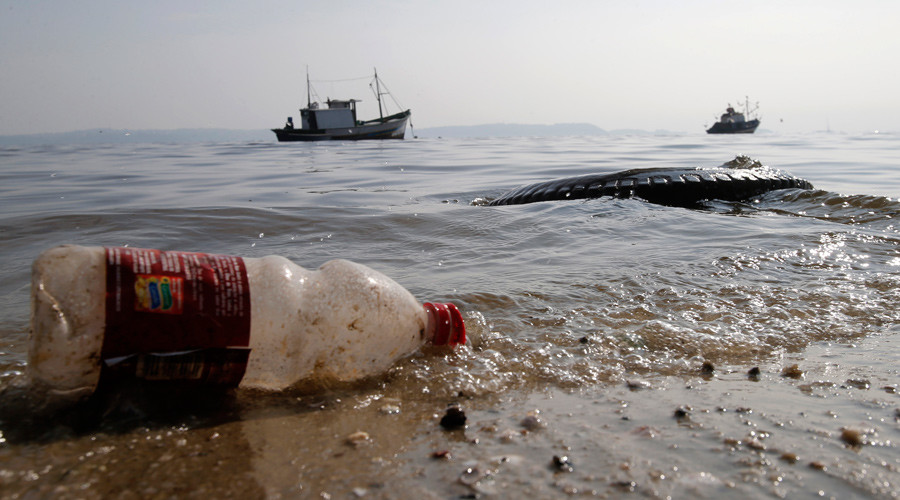
Despite the much-touted health benefits of fish, you may be getting more than you asked for on your dinner plate. A new study reveals that around a quarter of fish sampled from markets in Indonesia and California contains plastic or fibrous material.

Researchers from the University of California, Davis, and Hasanudd University in Indonesia link this difference to the way humans process waste. Indonesian fish mostly had plastic residue in their guts leading scientists to suggest that it is directly linked to the amount of plastic tossed into the ocean and on the beach. This may also be escalated by the amount of bottled water consumed in Indonesia due to a lack of purified tap water.

Californian fish on the other hand showed high quantities of fibrous materials and in this case laundry may be to blame. Authors of the report suggested that copious amounts of small bits of fabric and thread get into the sewage system on a daily basis with millions of people adding to the share each time they do the laundry. These items are so small they pass all the filters in more than 200 wastewater treatment plants off the Californian shore and end up in the ocean and subsequently inside fish.

"We think the type of debris in the fish is driven by differences in local waste management," said lead author Chelsea Rochman, a David H. Smith postdoctoral fellow at the UC Davis.

The researchers sampled 76 fish from markets in Makassar, Indonesia, and 64 from Half Moon Bay and Princeton in California.

So far to avoid eating plastic one must stick to filleted fish as scientists are still studying whether chemicals from ingested plastic can transfer into meat.

Lemon

Healthier alternatives to toxic household cleaning products

cleaning supplies
While people are aware of the health risk caused by outdoor air pollution, few may consider that indoor air quality can also have a negative impact on their health. While many of these products are commonly used in the home there are healthier options available.


The average American spends 90 percent of their time indoors. While people are aware of the health risk caused by outdoor air pollution, few may consider that indoor air quality can also have a negative impact on their health.

According to the EPA levels of indoor air pollutants can be 2 to 5 times higher than outdoor pollution levels. In fact indoor air pollutants are ranked among the top five environmental risks to public health. Since we spend so much time indoors it is important to create a healthy, toxin free environment that is safe for everyone.

Attention

Pesticides tied to rise in childhood cancer

Image
© basefamilyhousing.info
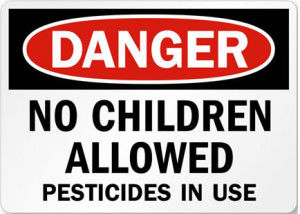
Despite major improvements in treatment and survival, children's cancer rates are rising in the United States, leaving parents and scientists alike searching for evidence of what's behind the trend. A new report sheds light into one avoidable risk: household pesticides.

Children exposed to insecticides inside their homes have a 47 percent higher risk of developing certain cancers in childhood, according to the report by Alex Lu and his colleagues at the Harvard TH Chan School of Public Health.

The research team examined 16 high-quality studies of children's risks and found that indoor exposure to insecticides was associated with higher rates of leukemia and lymphoma, the most common cancers diagnosed in children. Exposure to outdoor herbicides (weed killers), but not insecticides (bug killers), was associated with 26 percent higher childhood leukemia risk.

Comment: Number one cause of childhood death in U.S.? Cancer


Handcuffs

Vaccine Wars: Under SB277 California vaccine refusers to get "Court Order" or "CPS Visit"

Image
California Senate Bill 277 (SB277) is setting a dangerous precedent by removing medical consent from California school children in 2016. In addition, the bill appears to be in violation of the Nuremberg Codes for informed medical consent. However, pressure is already being felt as school administrators and directors have chosen to ignore current law and force vaccine schedules on school children.

Months ago at the start of the 2015 school year, California students faced a rude awakening as they were met with scare tactics and demands to vaccinate that had no legal standing. Latino mothers launched a formal complaint after their children, belonging to the Los Angeles Unified School District, were taken out of classes the first day of school despite having a Personal Belief Exemption on file. Adding further to the confusion, the California Department of Public Health (CDPH) had not updated their website in Spanish to reflect the new SB277 requirements and when they would take effect. Other reports have surfaced of California schools doing similar tactics.

Comment: SB277 is an glaring example of The current vaccine reality: Disinformed consent.
Fear tactics, used in the Los Angeles Unified School District at the beginning of the 2015 school year, is just another devious tactic on the part of Big Pharma to get parents and children to go along with more Medical Tyranny, setting an example, so to speak for those who don't get with the vaccine program!


Bulb

Herbs that can reduce stress without the side effects of BigPharma drugs

Passion flower
Passionflower
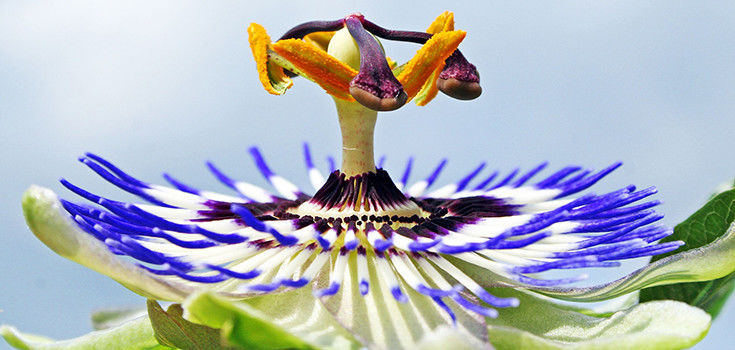
In the documentary created by National Geographic and researchers from Stanford University, Stress, Portrait of a Killer, experts outline just how deadly stress can be. (Watch the documentary below.) The good news, though, is that there are numerous natural herbs and supplements that can reduce stress without causing as many (if any) side effects or other mental health conditions as many pharmaceutical psychotropic meds do.

Here are 7 natural anti-anxiety herbs for reducing anxiety and stress (and the documentary video).

Comment: See also:


Rose

Our constant companion, the common mallow

Image
© Chris HopeThe common mallow (Malva sylvestris) has a range of medicinal and food uses, and can be found across the globe, from Asia to Africa and Europe.
Some plants seem to be our constant companions, no matter where we live. Often, they will also be some of our really useful species. It will soon become clear that the common mallow (Malva sylvestris) is one of these plants.

Rather than being looked upon as a weed, the mallows can be more usefully described as some of our gloriously abundant plant helpers. A number of mallow species have long been used as a food and medicine, wherever they are found native, and especially in the Middle East and Asia. You won't have far to go to find the common mallow in most parts of Europe, North Africa and Southwest Asia either.

Comment:
  • Protect Your Bones with Herbs
  • Better than big pharma: 5herbs you can't do without


Magnify

The Pertussis Vaccine: The ugly untold truth

Image
© Alain Grillet/Sanofi PasteurElectron microscope image of the bacteria (bordetella pertussis) responsible for pertussis (whooping cough).
The New York Times reports on a new study finding that the greatest risk to infants of being infected with the bacteria that causes whooping cough, or pertussis, now comes from their older siblings. TheTimes explains that this is "probably a result of waning immunity among children and adolescents who had received the DTaP vaccine."

Indeed, waning immunity is a serious problem with the DTaP combination vaccine (which contains diptheria, tetanus, and pertussis antigens). One recent study published in Pediatrics concluded, "
Tdap protection wanes within 2 to 4 years. Lack of long-term protection after vaccination is likely contributing to increases in pertussis among adolescents."
But the Times is misleading its readers by telling only one part of the story, leaving readers with the impression that simply giving more "booster" shots would solve the problem.

Comment: Why vaccines spread disease and vaccine science is flawed
Over the past few years, parents of unvaccinated children have been publicly blamed for increasing cases of B. pertussis whooping cough and deaths.

This despite the fact that even the Centers for Disease Control (CDC) admits that the rise in reported whooping cough cases cannot be blamed on unvaccinated children because "they are not the driving force behind the large scale outbreaks and epidemics."1

Going back decades, rates of whooping cough have been nearly identical in countries with high and low vaccination rates. And according to the Centers for Disease Control and Prevention (CDC), pertussis vaccination rates in the U.S. have remained stable or have increased since 1992.

It's important to realize that the pertussis vaccine has never conferred lifelong immunity to whooping cough - even after multiple doses.2


Gold Coins

Soda Politics: Coke spends lavishly on Pediatricians & Dietitians

Image
© instagood.photography
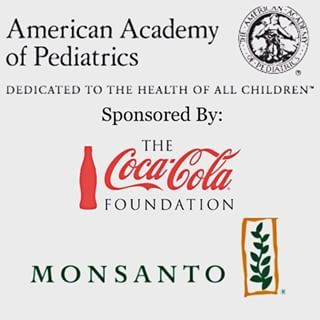
When the American Academy of Pediatrics needed support for a website it created to promote children's health, it turned to a surprising partner: Coca-Cola.

The world's largest maker of sugary beverages, Coca-Cola has given nearly $3 million to the academy over the past six years, making it the only "gold" sponsor of the HealthyChildren.org website. Even though the pediatric academy has said publicly that sugary drinks contribute to the obesity epidemic, the group praises Coke on its website, calling it a "distinguished" company for its commitment to "better the health of children worldwide."

The extent of the financial ties between Coke and the Academy of Pediatrics was revealed last week when the company released a detailed list of nearly $120 million in grants, large and small, given to medical, health and community organizations since 2010. Not only has Coke's philanthropy earned it praise from influential medical groups, the soda grants appear to have, in some cases, won the company allies in anti-soda initiatives, wielded influence over health recommendations about soft drinks, and shifted scientific focus away from soda as a factor in the causes of obesity.

Comment: More information about Coke's influence on a number of 'respected medical and health groups'


Butterfly

Medicinal and household uses of tea tree oil

tea tree oil
Americans are scooping up bottles of essential oils, lured by their amazing scents, household uses, and health benefits. They're natural medicines that are highly concentrated, which means they last forever (depending on how often you use them, of course) because - as the saying goes - "a little dab'll do ya."

Preppers love essential oils because they know that if society were to crumble and picking up Tylenol at the drugstore wasn't an option, essential oils would be there to often save the day.

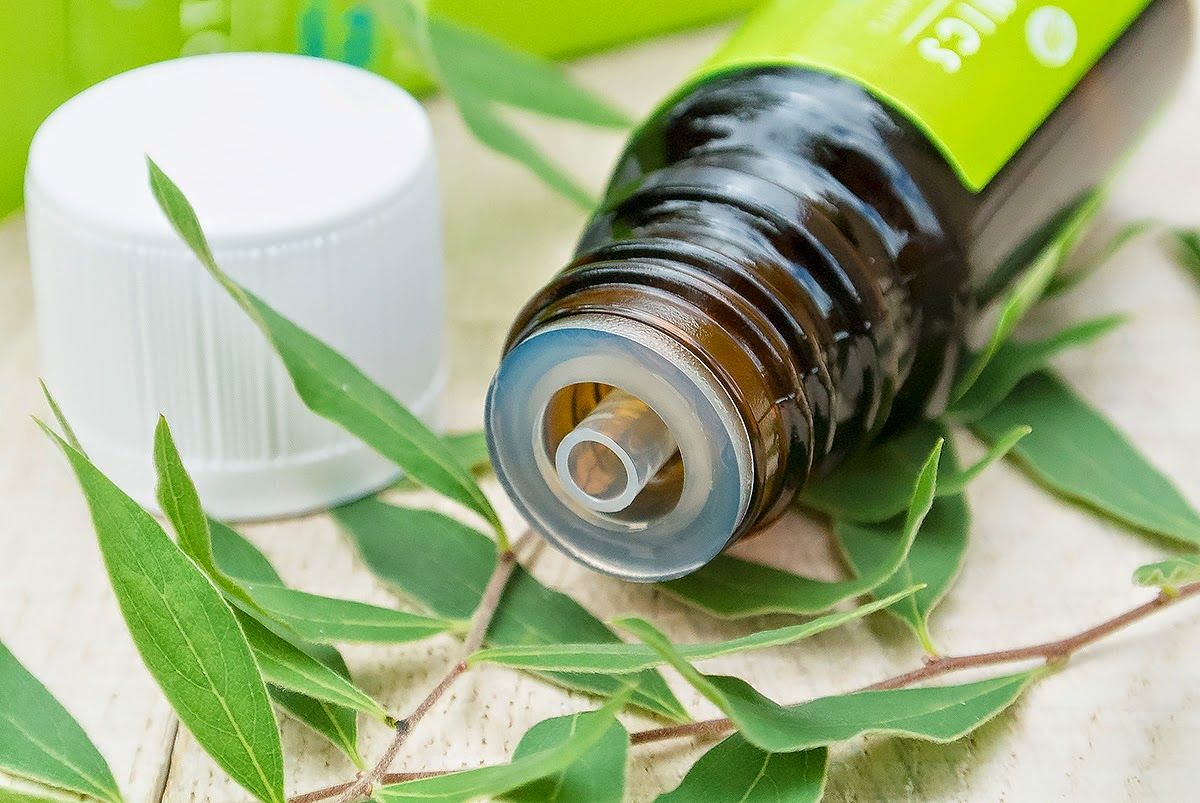
Tea tree oil is a favorite among consumers who know their essential oils because of its seemingly endless uses. Also known as melaleuca oil, this natural cleaner/remedy is made from the leaves of the tea tree plant, native to Australia.

People used to crush the leaves and apply them directly to any number of skin conditions. Sometimes they inhaled the oils from the crushed leaves to relieve colds and coughs. These days, tea tree oil is distilled to a clear or very pale golden or yellow color and sold in dark-colored bottles. [1]

Comment: See also: Tea Tree Oil And Silver Together Make More Effective Antiseptics