Health & WellnessS


Info

Flashback Ingredients found in GMO crop dust pose serious health risks to farmers

gmo crop dust
In addition to the considerable questions about the safety of GMOs and their effects on mammals, what about other potential side effects to crop producers of GMO crops and their use?

Dust is a common factor that all of us in crop production must deal with. Whether it comes from a country road or a combine harvesting a crop, dust is present in many places in rural America.

A crop farmer in northwest Iowa had some keen observations in regards to dust and decided to do some testing. This gentleman, who we will call John, noticed a significant amount of dust in the hog building where he custom feeds hogs. John gathered a sample of the dust from inside the hog building and placed it in a zip lock bag and identified it as hog dust.

John noticed an unusually large amount of dust around the combine when harvest was in progress in his brother's Liberty Link corn field. Liberty is an herbicide with the active ingredient of glufosinate which is a nonselective herbicide similar to Roundup, Roundup contains glyphosate as the active ingredient. John collected a sample of the dust from the combine in the Liberty Link corn field and placed it in a zip lock bag and labeled it.


Comment: The Worlds Largest Human Experiment: GMOs, Roundup, and the Monsanto Monstrosity


Evil Rays

New study: Mammography screening should be abandoned, very few benefit while many are harmed

mammography
With Breast Cancer Awareness Month just around the corner, a new study promises to undermine the multi-billion dollar cause-marketing orgy that shepherds millions of women into having their breasts scanned for cancer with x-rays that themselves are known to contribute to breast cancer.

If you have followed GreenMedInfo.com for any length of time, you know that we often report on the adverse effects of mammography,of which there are many. From the radiobiological and psychological risks of the procedure itself, to the tremendous harms of overdiagnosis and overtreatment, it is becoming clearer every day that those who subject themselves to screening as a "preventive measure" are actually putting themselves directly into harms way, unnecessarily.

Comment: Despite these new revelations providing additional evidence of the adverse effects of cancer screening, it is doubtful that this will reach mainstream awareness. Cancer is a billion dollar business, and your health is no concern to the corporations raking in the profits at your expense.


Beer

One can of fizzy drink daily 'can increase heart attack risk by a third'

Image
© PAOn average teenagers are drinking one can of fizzy drink each day
Just one can of fizzy drink a day can increase the risk of heart attack by a third and dramatically raise the chance of diabetes and stroke, the largest ever study has found.

The research by Harvard school of public health found that regularly drinking sugary drinks increases the risk of developing type 2 diabetes by a quarter (26 per cent), the risk of heart attack or fatal heart disease by a third (35 per cent) and the risk of stroke by a sixth (16 per cent).

The study - the most comprehensive review of evidence of health effects of sugary drinks to date - follows new official UK advice which says adults should restrict their sugar intake to just 30 grams - seven teaspoons - a day.

Comment: For more information, see: Sugar health risk cannot be compared to smoking, says ignorant former secretary Andrew Lansley


Magnify

Ginger: 10,000 times stronger than chemo (taxol) in cancer research model

ginger
© www.gourmetsleuth.comGinger root, a natural and non-toxic cure.
A new study reveals ginger contains a pungent compound that could be up to 10,000 times more effective than conventional chemotherapy in targeting the cancer stem cells at the root of cancer malignancy.

A new study published in PLoS reveals a pungent component within ginger known as 6-shogaol is superior to conventional chemotherapy in targeting the root cause of breast cancer malignancy: namely, the breast cancer stem cells.

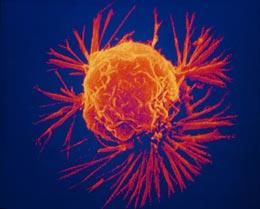
cancer cells
© www.nature.comCancer cell and its growing family.
Cancer stem cells are at the root of a wide range of cancers, not just breast cancer, and are sometimes referred to as "mother cells" because they are responsible for producing all the different "daughter" cell types that makeup the tumor colony. While cancer stem cells only constitute between .2 and 1% of the cells within any given tumor, they have the seeming "immortal" ability to self renew, are capable of continuous differentiation, are resistant to conventional chemotherapeutic agents, and are tumorigenic, i.e. are capable of "splitting off" to create new tumor colonies. Clearly, the cancer stem cells within a tumor must be destroyed if cancer treatment is to affect a lasting cure.

The new study titled, "6-Shogaol Inhibits Breast Cancer Cells and Stem Cell-Like Spheroids by Modulation of Notch Signaling Pathway and Induction of Autophagic Cell Death," identified powerful anti-cancer stem cell activity in 6-shogaol, a pungent constituent of ginger produced when the root is either dried or cooked. The study also found that the cancer-destroying effects occurred at concentrations that were non-toxic to non-cancerous cells - a crucial difference from conventional cancer treatments that do not exhibit this kind of selective cytotoxicity and therefore can do great harm to the patient.

Comment: Both ginger and curcumin (tumeric), according to research, have the magic properties that target cancer stem cells, believed to be the root cause of tumor formation and malignancy. We need to implement more natural intervention strategies that are compatible and beneficial to our bodies, instead of main stream medicine's "if it doesn't kill ya, I can bill ya!" blast-all approach...the wellbeing of the patient be damned.


Water

Plastic and fibrous debris found in one quarter of fish sold in California and Indonesian markets

plastic in fish
© Dale TrockelUC Davis researchers found plastic and fibrous debris in 25 percent of the fish sold in Indonesian and California markets.
Roughly a quarter of the fish sampled from fish markets in California and Indonesia contained man-made debris — plastic or fibrous material — in their guts, according to a study from the University of California, Davis, and Hasanuddin University in Indonesia.

The study, published today in the journal Scientific Reports, is one of the first to directly link plastic and man-made debris to the fish on consumers' dinner plates.

"It's interesting that there isn't a big difference in the amount of debris in the fish from each location, but in the type — plastic or fiber," said lead author Chelsea Rochman, a David H. Smith postdoctoral fellow in the Aquatic Health Program at the UC Davis School of Veterinary Medicine. "We think the type of debris in the fish is driven by differences in local waste management."

Comment:


Cow Skull

Conventional ground beef more likely to contain antibiotic-resistant fecal bacteria than grass-fed beef

Image
Consumer reports recommends you avoid conventionally raised beef from feedlots and instead eat 100% grass-fed beef
Factory farming methods produce a number of side effects that can threaten your health and even your life. Contamination with disease-causing fecal bacteria is one of them.

To combat foodborne illness, the food industry has created solutions that further worsen matters — sterilization methods such as high heat, chemicals (chlorine-based or lactic acid washes, for example), and/or radiation are all common industry attempts to "sterilize" your food before it reaches the store.

Yet the central issue remains unaddressed, which is the lack of hygiene standards in the raising, slaughtering, and processing of the animals.

A large percentage of meat products become contaminated when the animals' intestines are punctured and stool spills onto the meat being processed.

This is the real problem — not undercooking, as properly processed healthy meat will not harm you if it's undercooked because it will not be contaminated with fecal bacteria.

Comment: The Differences Between Grass-Fed Beef and Grain-Fed Beef:


Bulb

Sitting too much? Fidgeting might help counteract the damage

Image
© foundationpilates.com
Finally, a good excuse for all your annoying foot-tapping.

If you've been living under a rock for the past five years, we have some bad news for you: sitting down for the majority of the day is bad for you. And we're talking really, life-shorteningly, scientifically verified bad for you. But a new study of more than 12,000 women in the UK suggests that by fidgeting in our seats, we might be able to counteract some of those harmful health impacts - without having to go out and invest in a standing desk.

The research followed women aged between 37 and 78 over a 12-year period, and collected information on their diets, exercise regimes, health, and, on a scale from one to 10, how much they fidgeted. The results showed that the women who sat for 7 hours a day or more were 30 percent more likely to die during the study than their more active peers - but not if they were rampant fidgeters.

Comment: Sitting for too long can do harm to your body


Hearts

Turmeric's healing power: A physical manifestation of compassion?

Image
Few, if any, plants have been revered as thoroughly - by the religious and scientific community alike - as a healer of the human body, mind and soul, as beautiful turmeric.

It could be written off as an overly imaginative cultural oddity that ancient Indians understood turmeric to be the physical essence of the Divine Mother - a botanical embodiment of compassion and healing. After all, nothing in the known biochemistry of this common spice plant lends itself to so gratuitous a characterization, does it?

It turns out that even modern science now confirm that this 'curry' spice has therapeutic properties relevant to well over 600 different health conditions, and may therefore bestow on those who take it significant protection from many common causes of human suffering. Some of the more amazing examples are its ability to reverse aspects of dementia (Alzheimer's disease), replace Prozac, prevent type 2 diabetes, produce cardiovascular benefits as significant as exercise, including preventing post-bypass heart attack by 56%, heal the diabetic liver, kill lethal pancreatic cancer, and help kick painkillers to the curb for osteoarthritis and rheumatoid arthritis, while giving at least a dozen more pharmaceuticals a run for their money.

Comment: Additional Health Benefits of Turmeric:


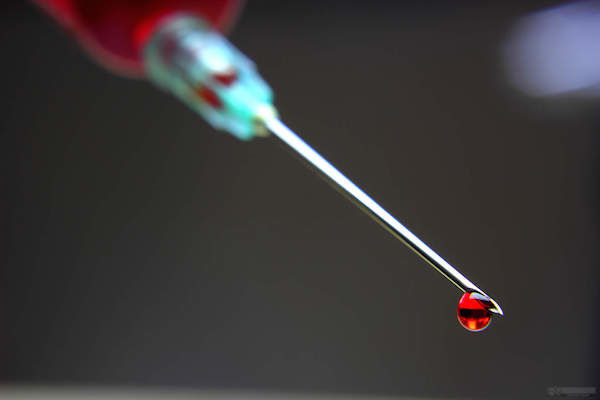
Syringe

Is a lethal mouse virus contaminating the US blood supply?

needle
Retroviruses hide out in the immune system, which means any immune activation could set off this ticking time-bomb and cause diseases like chronic fatigue syndrome among adults, and autism among children. Are they lurking in the US blood supply?
PLAGUE - The Retrovirus-Gate Lies

As an attorney I learned (often the hard way), that if you wanted to know the truth about a person, you didn't just listen to their words, but you investigated their actions. If a client said he wasn't a gambler, you should probably check out how many trips he's made to Las Vegas in the past year. We all understand that, right?

So, why is it that with the XMRV retrovirus (more accurately referred to as the xenotropic murine leukemia virus-related virus, basically a mouse retrovirus that crossed-over into humans) that Dr. Mikovits and I wrote about in our book, PLAGUE: One Scientist's Intrepid Search for the Truth About Human Retroviruses, Chronic Fatigue Syndrome (ME/CFS), Autism, and Other Diseases, officially declared by Dr. Ian Lipkin of Columbia University and the medical research community not to be a threat, are people spending a lot of money to protect against something just like XMRV?

Muffin

Could a hidden fungal overgrowth be making you ill?

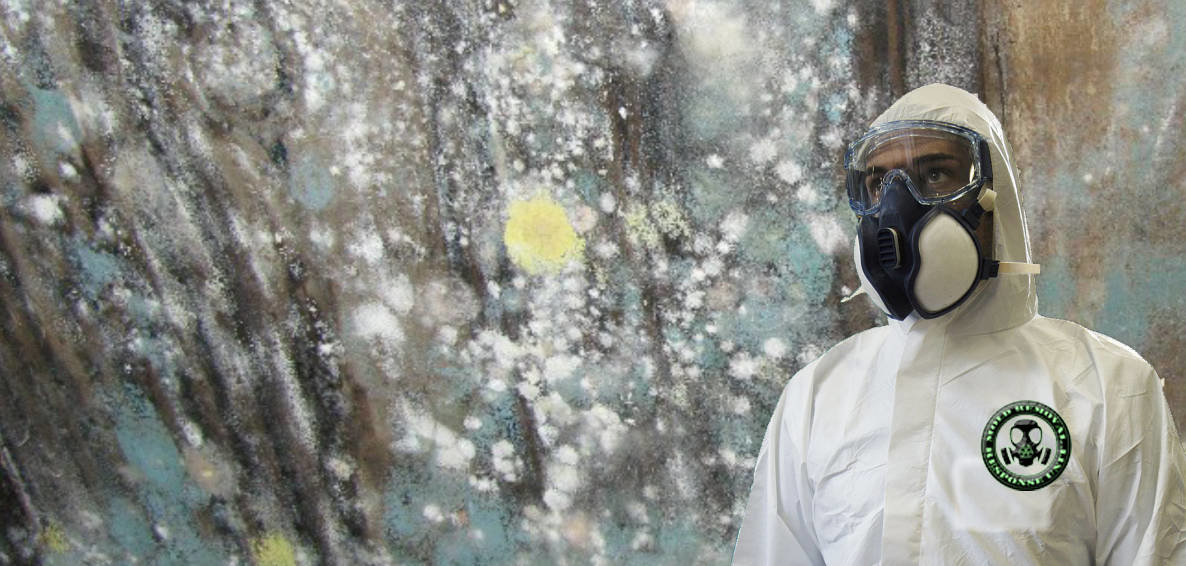
mold walls hazmat suit
© UnknownThis stuff is seriously nasty
A hidden fungus may be making you ill. A 35-year-old recently walked into my office suffering from a whole list of health problems (which is why I often call myself a "whole-listic doctor"). She had chronic fatigue, recurrent yeast vaginal infections, itchy ears, dandruff, patchy itchy skin rashes, irritable bowel syndrome, muscle twitching, acne rosacea, malabsorption, headaches, and more.

These symptoms can have multiple causes, but in her case all of these problems were related. They were symptoms of an overgrowth of yeast in and on her body. This patient had such a fungus problem that she was practically a walking mushroom!

The cause was clear. She had taken many, many courses of antibiotic over the years. She had been diagnosed with a mostly benign condition called mitral valve prolapse-a problem I believe is over diagnosed and over treated-and "needed" antibiotics every time she went to the dentist. In addition, she had many urinary tract infections for which she took many more courses of antibiotics.

Frequent use of antibiotics disrupts the normal balance between healthy bugs in the gut (lactobacillus, bifidobacter, e. coli) and other potentially dangerous bugs, including yeasts, bacteria, and occasionally parasites. These bad bugs are usually present in small numbers in the digestive system. But when the good bugs are killed by antibiotics (i) or not fed with adequate fiber, or the bad guys are fueled with too much sugar, or the gut's delicate ecosystem (ii) is damaged by too much stress, then yeasts and other noxious agents take over.

This can result in many chronic illnesses and symptoms including allergies, chronic inflammation, joint problems, mood and brain disorders, digestive symptoms, and more.

Comment: If you've been on a ketogenic diet for some time and have still been having symptoms that sound like the ones listed in this article, then a hidden fungal overgrowth may be the cause. Taking steps to correct it can result in significant health improvements.

See also: A primal primer on Candida: Diagnosing and treating a fungal overgrowth