Health & WellnessS


Pills

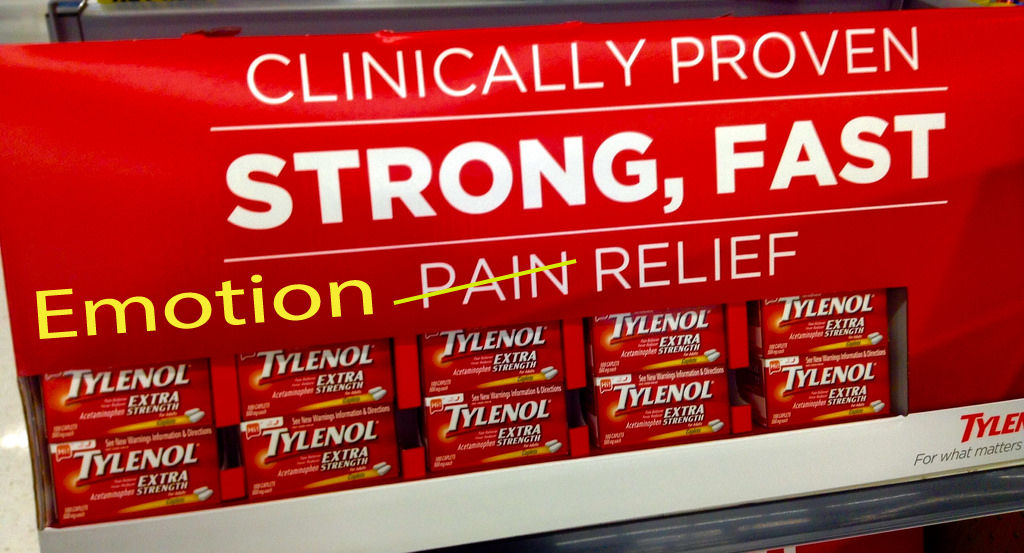
Tylenol kills emotions as well as pain

For decades Tylenol has been used as a pain-killer, but new research reveals it has psychiatric side effects including dulled emotional responses to both positive and negative stimuli.
Image
The public is beginning to understand that many over-the-counter painkillers do more than just kill pain, but sometimes kill those taking them.

For instance, A 2013 review of 754 clinical trials published in Lancet found that NSAID use was associated with roughly double the heart failure risk. Ibuprofen, in particular, has been estimated to cause thousands to die of cardiovascular events each year, and according to the lead researcher of the Lancet review, equally as dangerous for long-term users as the drug Vioxx which was estimated to cause 30,000 excess heart attacks and sudden cardiac deaths between 1999-2003 alone.

Popular over-the-counter painkillers include acetaminophen (Tylenol) , ibuprofen, napoxen (Alleve) and aspirin, and many pop them like candy to reduce pain and inflammation without ever looking to identify and resolve the root causes of their symptoms.

Now, a new study finds that not only does the Tylenol affect the body, but it also dulls the emotional responses of users as well.

Comment: Who would have though, this drug is considered one of the safest in the market and safe enough for any pregnant woman.

More food for thought:

The Truth Wears Off


Info

Turmeric & FDA approval

Image
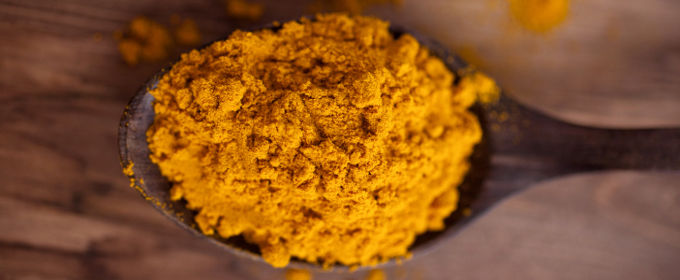
There are over 2,000 studies on the GreenMedInfo database demonstrating the power of turmeric to heal, but this time-tested, safe, and affordable healing substance still has not received FDA approval to "prevent, treat, or cure" disease despite the fact that it is capable of doing exactly that.

One of the greatest if not the greatest triumph of biomedical science today is its role in validating ancient healing modalities that long before the advent of science, and even recorded history itself, were passed down "orally" from generation to generation in the vast body of folkloric medical knowledge that still forms the basis for the majority of the world's primary health care system. These so-called "natural" or "alternative" modalities, which our species owes its present day survivorship to after eons of dependency on them, are increasingly gaining the attention of men and women in white lab coats intent on unlocking the mysteries of how they work, and in many cases, why they work better than patented, synthetic, chemical-based medications.

2 + 2 = 4

Maintaining healthy DNA delays menopause

Image
An international study of nearly 70,000 women has identified more than forty regions of the human genome that are involved in governing at what age a woman goes through menopause. The study, led by scientists at the Universities of Cambridge and Exeter, found that two thirds of those regions contain genes that act to keep DNA healthy, by repairing the small damages that can accumulate with age.

The findings, published today (September 28) in the journal Nature Genetics, suggest that the reproductive cells or 'eggs' in a woman's ovaries (known as oocytes) that repair damaged DNA more efficiently survive longer. This results in a later age at menopause, which marks the end of a woman's reproductive lifetime. Previous research has shown that DNA is regularly damaged by age and by toxic substances such as cigarette smoke - hence women who smoke go through menopause 1-2 years earlier on average than non-smokers.

Question

Half the European Union has opted out of growing GMOs - Why won't the U.S.?

Image
With all the U.S. FDA's cockamamie science about genetically modified 'phood' being equivalent to natural food, something exciting is happening within the European Union regarding GMOs.

Do readers know that the EU has given its individual member states OPT-OUT provisions from GMOs in their respective countries? Wow!

What gives anyway, since here in the USA, we can't even have GMOs labeled!

Comment: Down with Monsanto: Increasing number of countries banning cancer causing glyphosate and GMO's


Health

Turmeric turns bad fat into good fat

turmeric
A groundbreaking new study published in Journal of Nutritional Biochemistry reveals that curcumin, a golden-hued compound in turmeric, may provide a unique solution for overweight individuals by altering the composition of fat cells in their bodies in favor of the calorie-burning type.

Obesity and overweight are global epidemics today, and are largely due to the now virtually universal Western type diet of highly processed, genetically modified, chemical contaminated, and evolutionarily incompatible foods, and which can have severe if not sometimes lethal adverse health effects.

Diet, however, is not the only contributing factor. Like all conditions, the problem is multi-factorial, with exposure to a host of endocrine disrupters, chronic stress, a dramatically altered and/or depleted microbiome, and a lack of sufficient movement and exercise, all playing key roles. Every year, billions of dollars are spent on weight loss gadgets, bariatric surgeries, and both synthetic and natural pills, and yet the problem only appears to be growing worse.

Bulb

Eternal summer: How artificial light and central heating are harmful to health

light bulb
Genes which should change throughout the year are being silenced by modern living, scientists warn.
The 'eternal summer' provided by central heating and artificial lighting could be damaging our immune systems and leaving people open to illness and early death, scientists have warned.

Humans, like all other animals, have evolved over millions of years to respond to seasonal changes with genes switching on and off depending on the time of year.

It means that in winter genes which are involved in immunity fire up to help the body fight off infections like seasonal flu but are dialled down in the milder months when the chance of picking up infections diminishes.

But the ability to heat homes to a comfortable temperature all year round, and enjoy bright light till late at night, could be confusing seasonal genes, making the body believe that it is perpetually summer time, scientists have warned.

Comment: For more on the importance on living within natural light cycles and according to season listen to this episode of The Health and Wellness Show.


Info

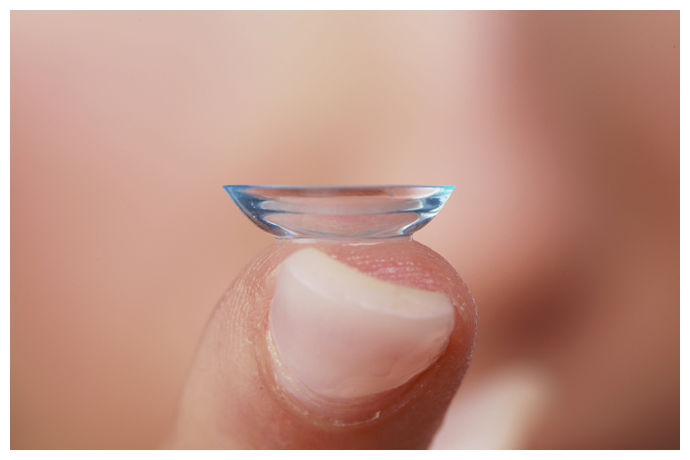
Dangerous habits of contact lens wearers that facilitate infections

Contact Lense
© Thinkstock
Many people jump at the chance to wear contact lenses, sometimes to improve appearance. Not having to hunt for the spot where they put down their glasses is appealing, but contact lens wearers who fail to take proper care of their contact lenses are putting their eyesight at risk. [1]

A report released this year by the CDC reveals some of the most common - and dangerous - mistakes of contact lens wearers:
  • 1. 50 and 87% of wearers sleep or nap in their contacts, respectively
  • 2. 50% never replace their contacts, and 82% don't replace them often enough
  • 3. 85% shower with their lenses in, which can allow bacteria from water to get onto the lenses
  • 4. 85% admit to keeping old contact lens solution in the case, which loses its disinfecting power
  • 5. 55% top off old contact lens solution with new solution

Comment: See also:


Cell Phone

Compulsive texting: What it's doing to teenagers

Image
© Jim Wilson
Teenagers use text messaging more than any other mode of communication, so it may be hard to tell. But youngsters who check their phones continually, snap if you interrupt them and are so preoccupied with texting that they skip sleep and don't get their work done may be compulsive texters, a new study says. For girls, compulsive texting is more than just a distraction - it is also associated with lower academic performance.

The study of more than 400 eighth and 11th graders found that many teenage texters had a lot in common with compulsive gamblers, including losing sleep because of texting, problems cutting back on texting and lying to cover up the amount of time they spent texting.

Blackbox

Researchers explore fungus' role in Alzheimer's

Image
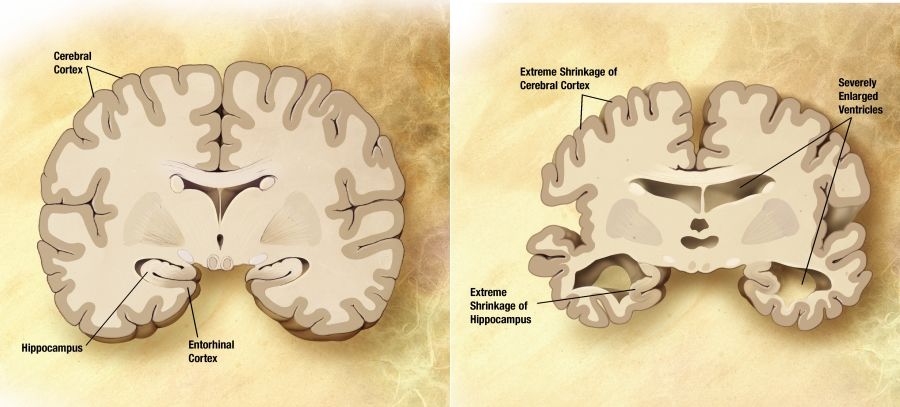
Traces of fungus have been discovered in the brains of Alzheimer's sufferers, researchers said Thursday, relaunching the question: might the disease be caused by an infectious microbe?

There is no conclusive evidence, but if the answer turns out to be "yes", it means Alzheimer's Disease (AD) may be targeted with antifungal treatment, a Spanish team reported in the journal Scientific Reports.

"The possibility that AD is a fungal disease, or that fungal infection is a risk factor for the disease, opens new perspectives for effective therapy for these patients," they wrote.

Comment: When trying to figure out what causes certain diseases and disorders it's important to remember that there are often a number of factors involved. Treating one while ignoring another can lead to little to no improvement. Therefore testing for fungal, parasitic, viral, bacterial, and heavy metal 'infestations' (to name a few), as well as maintaining a healthy diet, is critical. Also see:


Clipboard

School vaccination rates: What the CDC is not telling parents

Image
© examiner-enterprise.com
The National Vaccine Information Center (NVIC) recently reported that the federal government has directed all public and private schools to publish vaccination and personal belief vaccine exemption rates, even though less than 1.7 percent of kindergarten children have any vaccine exemptions and less than 1 percent of children under 36 months old are unvaccinated.1,2,3

This Centers for Disease Control (CDC) directive comes at a time when nationwide, 94 percent of kindergarten students have gotten multiple doses of federally recommended vaccines for the past three decades,4 including five doses of pertussis and two doses of measles containing vaccines.

But what the CDC is not telling parents is the rest of the story about the real health status of school children in America.

Perhaps the CDC is pursuing higher and higher vaccination rates and gutting vaccine exemptions to try to take attention away from the chronic disease and disability epidemic sweeping through classrooms that makes it harder and harder for children to learn and be healthy.