Health & WellnessS


Magnify

What your father ate before you were born could influence your health

Father feeding child
© YakobchukOlena / FotoliaFather feeding child.
There is increasing evidence that parents' lifestyle and the environment they inhabit even long before they have children may influence the health of their offspring. A current study, led by researchers from the Novo Nordisk Foundation Center for Basic Metabolic Research, sheds light on how.

Researchers in Associate Professor Romain Barrès' laboratory compared sperm cells from 13 lean men and 10 obese men and discovered that the sperm cells in lean and obese men, respectively, possess different epigenetic marks that could alter the next generation's appetite, as reported in the medical journal Cell Metabolism.

A second major discovery was made as researchers followed six men before and one year after gastric-bypass surgery (an effective intervention to lose weight) to find out how the surgery affected the epigenetic information contained in their sperm cells. The researchers observed an average of 4,000 structural changes to sperm cell DNA from the time before the surgery, directly after, and one year later.

"We certainly need to further examine the meaning of these differences; yet, this is early evidence that sperm carries information about a man's weight. And our results imply that weight loss in fathers may influence the eating behavior or their future children," says Romain Barrès.


Blue Planet

Seeing green: Your brain on nature

Nature brain
© liborioescobedo.wordpress.com
Scientific research provides powerful evidence of the importance of nature for our health. Time spent in the Great Outdoors reduces the stress hormone cortisol and increases our sense of well-being.

As Western society has developed, we have retreated from the Great Outdoors, placing greater importance on technological pursuits and human creations. Mounting scientific evidence reveals that by pushing ourselves away from nature, we not only have distanced ourselves from crisis-level environmental problems, but also have begun to lose contact with a vital mental-health tool. By denying ourselves time in green space, we risk rejecting an essential part of our heritage — a truth that, ironically, we are now able to see more clearly because of advances in medical technology.

Info

Swine flu outbreak claims 33 lives in Southeastern Iran

A digital rendering of the H1N1 virus
A digital rendering of the H1N1 virus.
At least 33 people have lost their lives following an outbreak of swine flu mainly in two southeastern Iranian provinces in the past three weeks, Iran's deputy health minister says.

Ali Akbar Sayyari said on Monday that the flu left 28 people dead in Kerman Province and five, including four pregnant women, in Sistan and Baluchestan.

He added that there are more cases of infection across the country.

"The Health Ministry predicts that the disease will spread across the country in the coming days and seven other provinces, including Tehran, West Azarbaijan, East Azarbaijan and Kermanshah, are exposed to the danger of the disease more than to other provinces," Sayyari said.

The deputy of Iran's center for contagious diseases, Mahmoud Nabavi, was quoted by the Fars News Agency on Sunday as saying that reports about the virus are not "abnormal" as cases of flu infection increase at this time of the year.

Snakes in Suits

Big Pharma psycho! Martin Shkreli admits he messed up - he should've raised drug prices even higher

Martin Shkreli
© Glen DavisMartin Shkreli speaks at the Forbes Healthcare Summit (Photo by)
Martin Shkreli hasn't changed.

If anything, the provocative pharmaceutical CEO — who became "the most hated man in America" earlier this year — thinks he didn't go far enough when he hiked the price of Daraprim by more than 5,000% overnight.

" I would have raised prices higher," Shkreli vowed on Thursday, after being asked how he would re-do the past three months. "That's my duty."

Shkreli spoke at the Forbes Healthcare Summit during a 25-minute interview that was at turns fascinating, horrifying, and utterly compelling.

Comment: Courtesy of Big Pharma: The most expensive medicines in the world
The business of developing and selling prescription drugs is not just big. It's huge. Sales for prescription meds in the world are expected to reach $1.3 trillion by 2018. That equates to 1.3% of the world's Gross Domestic Product (GDP). To put it another way, Big Pharma's sales are bigger than the annual GDP of all but 15 countries on the planet. In the United States alone, seven out of 10 Americans are taking prescription medications.Almost 4 billion prescriptions were written in the U.S. last year. And for the unluckiest of us, those prescriptions cost dearly. Six-figure dearly. Those are the Americans with rare conditions for which Big Pharma develops what are termed "orphan drugs," or drugs meant to treat diseases from which few people suffer.


Roses

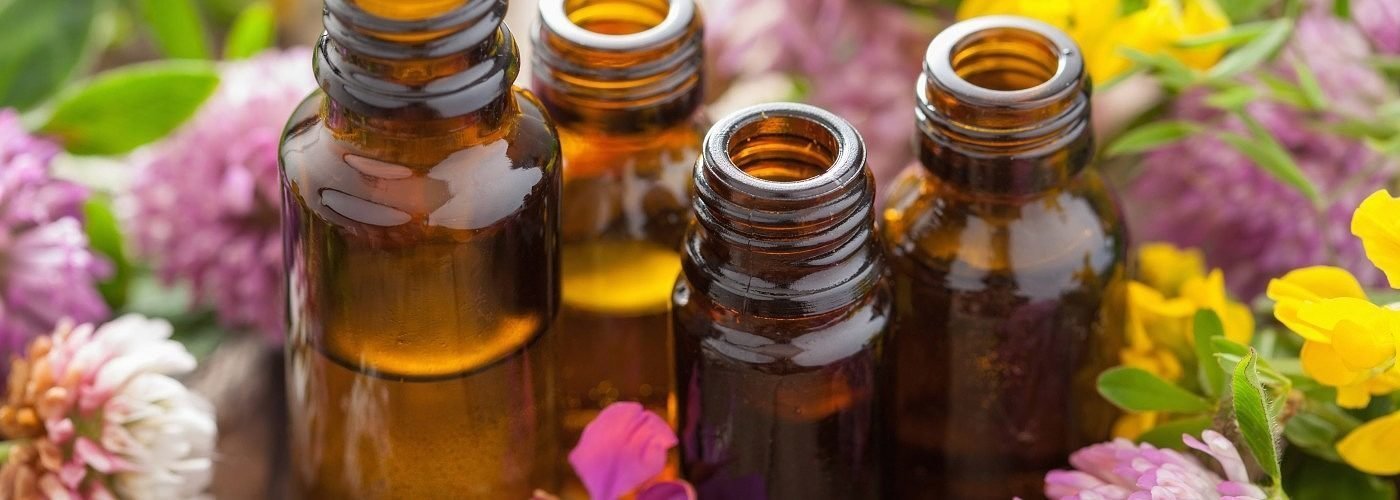
Essential oils can help the rocky road to menopause

Essential Oils
© Organic Lifestyle Magazine
Most women can agree that there was little information regarding women's hormonal changes when our mothers transitioned through menopause. Hot flashes were commonly the only thing addressed, which gave most of us the impression that menopause is a brief hot mess and then the menstrual cycle stops for good. Though this is the case for a small percentage of women, perimenopause—the period of time before the cessation of menstruation—is a challenging reality that can last 3-15 years before actual menopause.

Today, we have access to knowledge about our bodies that our mothers, aunts, and grandmothers were without. Now we know that gastro-intestinal distress, mild to severe anxiety, panic attacks, insomnia, itchy skin, depression, loss of libido, muscle pain, cold and hot flashes, fibroids, heavy monthly bleeding, tension and migraine headaches, heart palpitations, mood swings, irritable bladder and a host of other sometimes-frightening physical challenges are common symptoms of hormonal changes at midlife. Women who are unaware of the hormonal havoc their bodies are experiencing often rush to the doctor for cardiac tests when their hearts won't stop racing or get extensive gastrointestinal tests when heartburn, indigestion, or constipation become chronic. These tests show nothing abnormal most of the time, which only adds to the frustration factor.

Info

Dr. Hyman: Ditch artificial sweeteners

Artificial Sweetners
© sproutingwholeness.com
"I know you're not big on sugar and frequently tell people to cut down on it," writes this week's House Call. "But what about artificial sweeteners? Can I use those instead?"

Sadly, the answer is emphatically no. Human, animal, experimental, and other studies show artificial sweeteners can be just as bad and maybe even worse than regular sugar.

Artificial sweeteners have long been positioned as "guilt-free," innocuous, safe alternatives, so why would I argue they are actually worse than sugar?

Manufacturers love to position zero-calorie sweetened foods and drinks as better because they create a "halo effect" and they know you're more likely to buy them.

Comment: Artificial sweeteners: Latest scientific evidence should be a death blow


Health

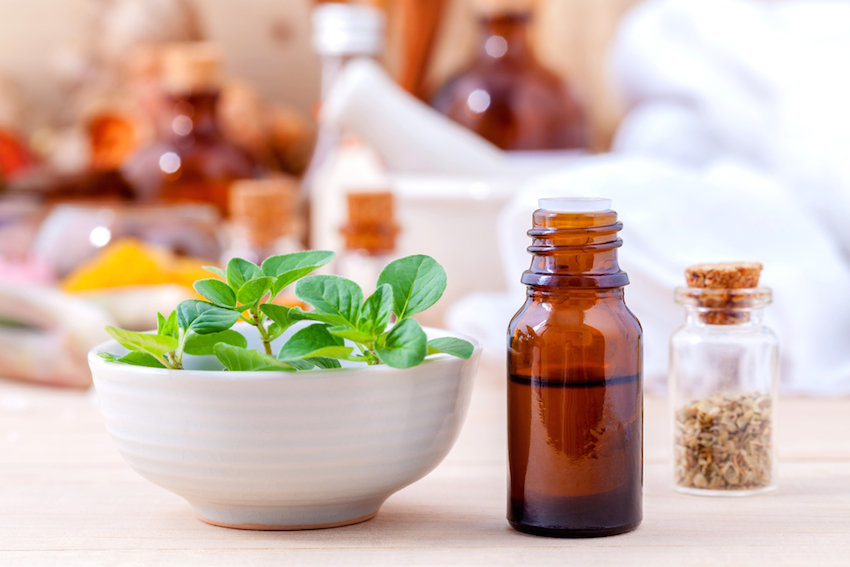
Health benefits of Oregano oil

Oregano Oil
© The Chalkboard Magazine
It's that time of the year that our bodies need a little extra TLC. There are a number of measures we can be taking to ensure our immune system remains robust throughout the season, but there's one little herb that has gone unnoticed until now. Thanks to The Chalkboard Mag the little super-herb, Oregano is in the spotlight!

Surprisingly, this oil isn't a part of most folks' health regimens yet, but we're breaking down how and why you should definitely be adding this super-herb to your routine. Oregano oil has been used to fight infections, ward off bacteria, viruses, and overall, is a potent immunity booster. It's list of potential uses and remedies are endless, but we've listed nine below to get you started.

Comment: Oregano oil: A powerhouse for the alternative medicine cabinet


Health

Mammograms result in 30% higher risk of breast cancer

Even with the established evidence which supports the long-term health risks and danger of mammograms, the medical community still pushes them like pancakes. Besides overdiagnosis and the unnecessary treatment of insignificant cancers, mammograms cause radiation-induced breast cancer themselves, increasing several risk factors for the disease.
mammogram
Increases Breast Cancer Mortality

Mammography is the most widely used screening modality for breast cancer and with good reason for the medical community. It gives them more patients. Breast cancer screenings result in an increase in breast cancer mortality and fail to address prevention.

Diagnosis of cancers that would otherwise never have caused symptoms or death in a woman's lifetime can expose a woman to the immediate risks of therapy (surgical deformity or toxicities from radiation therapy, hormone therapy, or chemotherapy), late sequelae (lymphedema), and late effects of therapeutic radiation (new cancers, scarring, or cardiac toxicity). Although the specific plan of oncologists is usually to recommend tailored treatments according to tumor characteristics, there is still no reliable way to distinguish which cancer would never progress in an individual patient; and consequently treatments are lumped into the "treat all just in case" just in case category.

Comment: More reasons to avoid mammograms:


Newspaper

Corrupt Environmental Protection Agency: 'Cooked the books' to OK Dow's dangerous weed killer

Environmental Protection Agency
Last year EWG found serious flaws behind the U.S. Environmental Protection Agency's decision to let Dow Chemical Co. sell a new weed poison combining 2,4-D and glyphosate for use on genetically engineered crops, or GMOs.

Today (Dec. 3), an investigation by the Chicago Tribune reveals that EPA intentionally fudged the numbers to downplay the risks of the chemical cocktail Dow is marketing as "Enlist Duo." In making its calculations, EPA also ignored the law requiring an extra safety factor to protect children's health.

Comment: DOW Chemical is evil...
2,4-D is far more toxic than Roundup. The chemical has been linked to non-Hodgkin's lymphoma, lowered sperm counts, liver disease, and Parkinson's disease. Studies have also demonstrated the chemical's adverse effects on hormonal, reproductive, neurological, and immune systems.

2,4-D is also the seventh largest source of dioxins in our environment. Dioxins are highly toxic chemical byproducts that can bioaccumulate, which means they can build up in your system, and our environment, over time. If Dow Chemical's 2,4-D-tolerant corn and soy crops are approved by the USDA, hundreds of millions more pounds of this toxic chemical will be used on crops, with ever-increasing residues on our food.
Industry proponents point out that Agent Orange's other ingredient, a chemical known as 2,4,5-T, was contaminated with dioxin and made the herbicide dangerous to human health. Meanwhile, 2,4-D has continued to be used in the United States and across the world.

Pesticide critics, however, point to studies that have linked 2,4-D to health problems such as non-Hodgkin's lymphoma, a type of cancer.

"Any increase in the use of 2,4-D with Enlist corn and soybeans will hit rural communities especially hard, as numerous medical studies have linked 2,4-D and related herbicides to increased rates of cancer and Parkinson's disease as well as low sperm counts in farmers and to birth anomalies in their children," said Andrew Kimbrell, director of the Center for Food Safety.

Denmark, Sweden, Norway and parts of Canada have banned 2,4-D in light of such research, but the EPA considers the chemical to be relatively safe. In 2012, the EPA denied a petition from environmental groups to cancel the chemical's legal registration.


Syringe

Scientists come out against vaccines

vaccines
© New York Magazine
Stories of vaccine-injured children often start the same way. "I trusted my doctor. I didn't know about vaccines then. I only wish I knew then what I know now." Those with firsthand experience with vaccine side effects tend to learn a great deal about vaccines. Parents of vaccine injured children account for a large proportion of the anti-vaccine movement.

Many scientists are opposed to vaccines. Just like lay people, whether or not they are opposed to vaccines depends a great deal on how much they know about them and whether or not their livelihood depends on the vaccine industry.