Health & WellnessS


Bulb

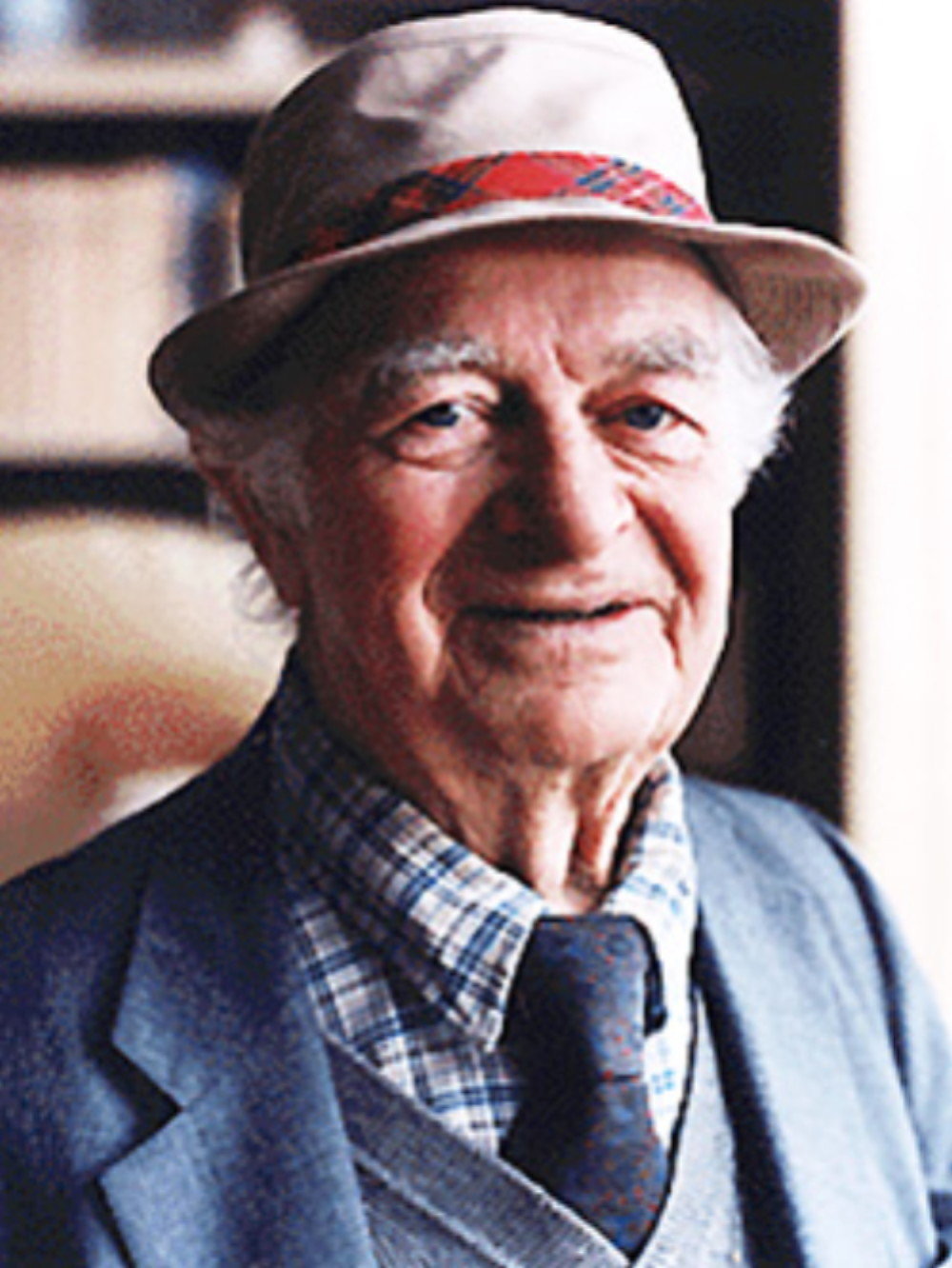
Dr. Linus Pauling: Revising his work on vitamin C

Dr. Pauling
A few months ago a very good friend of mine, who also happens to be a naturopath, learned that her mother had been diagnosed with breast cancer.

As is frequently the case with any type of cancer diagnosis, there followed an intense period of fear, tension and anguish as everyone involved tried to sort out exactly what to do next. Typically there would be a tendency to rely wholly, and often desperately, on the advice of doctors and their staff, those who we respect as, not only experts in their field, but also the most caring and capable in terms of the best protocols and treatments available.

We tend to trust whatever they tell us to do next, we assume theirs is the best possible advice to follow and as a consequence the cancer sufferer hands over total responsibility for their survival or recovery to them and them alone.

All of which is what made one of the first things my friend's mother was told to do (or rather was told what 'not' to do) all the more strange.

The resident nutritionist at the hospital involved, while correctly reviewing the many lifestyle and dietary changes that might help her patient in these life-threatening circumstances, went out of her way to warn her not to take any vitamin C at all, and even went as far as to tell her that it was toxic and could even encourage the growth of the cancer!

Comment: Pauling's last legacy: a unified theory of cardiovascular disease
Linus Carl Pauling (1901 - 1994) was an American chemist, peace activist, author and educator regarded as one of the most influential chemists in history. He was among the first scientists to work in the fields of quantum chemistry and molecular biology, and is the only individual to have won two unshared Nobel Prizes...

In his last years, Pauling continued to research vitamin C and became especially interested in its possible role in preventing atherosclerosis and heart disease. It is this forgotten work by Pauling and Matthias Rath at the Linus Pauling Institute which presents a compelling case for re-examining atherosclerosis research, prevention and treatment.


Bandaid

Iran Health Minister Hashemi: Swine flu pandemic is under control

H1N1
© www.studentsollution.comSwine influenza in Iran
Iran's health minister says the country has managed to check the outbreak of swine flu, with the first phase of the pandemic declared over now.

"The first phase of the [swine] flu disease in the country is under control," Hassan Qazizadeh Hashemi said on Thursday during a visit to the southeastern province of Kerman where the pandemic has claimed the lives of 33 people. Hashemi said, however, that precautionary measures must be taken as weaker waves of the seasonal flu may be back.

The Iranian minister put the toll from the H1N1 virus across Iran at 42 over the past month, including one person in the city of Karaj, 30 kilometers (18 miles) west of the capital, Tehran.

He said around 600 people who contracted the virus in Kerman province have been hospitalized, adding that most of the fatalities were people with history of deficiencies in their immune system.

The latest deadly outbreak of swine flu was in 2009 when as many as half a million people across the world died of the disease. Iran recorded in its last calendar year (started in March 2014) a total of 89 deaths from the virus.

Comment: Being a little bit pandemic is like being a little bit pregnant...you are either in a pandemic or you are not. Pandemic: (of a disease) prevalent over a whole country or the world, synonyms: widespread, prevalent, pervasive, rife, rampant

See also: Swine flu outbreak claims 33 lives in Southeastern Iran


Cell Phone

No cell phones for kids! They absorb 10 times more radiation in their bone marrow than adults

kid with cell phone
Not only is sensitivity to electromagnetic radiation emerging as a major health problem in our society, but start creating policies to curb exposure in our youngest generations, the repercussions as they age could be disastrous to our entire health infrastructure.

Many scientists have claimed that the wave of mobile communications made popular in the last two decades will result in long-term health implications worldwide. An unprecedented level and frequency of tumor growth inside the human brain may be inevitable.

Mobile phone owners were urged to limit their use after the World Health Organisation admitted they may cause cancer.

Neurosurgeon and researcher Dr. Leif Salford has conducted many studies on radio frequency radiation and its effects on the brain. Dr. Salford called the potential implications of some of his research "terrifying." Some of the most concerning conclusions result from the fact that the weakest exposure levels to wireless radiation caused the greatest effect in causing the blood brain barrier to leak.

Comment: The dangers of EMF radiation is real and the information is out there. However, it doesn't seem to be making a dent in the number of children with cell phones these days.


Hearts

Saturated fat: More surprising truths

butter heart
© shutterstock

Are our dietary guidelines all wrong?


Since the 1950s, people have believed that saturated fat is bad for human health.

This was originally based on observational studies showing that countries that consumed a lot of saturated fat had higher rates of deaths from heart disease.

The diet-heart hypothesis states that saturated fat raises LDL cholesterol in the blood, which then supposedly lodges in the arteries and causes heart disease.

Even though this hypothesis has never been proven, most official dietary guidelines are based on it (1).

Interestingly, numerous recent studies have found no link between saturated fat consumption and heart disease.

Comment: What the author is dancing around and should just come right out and say is that after all these years: Saturated fats have been wrongly convicted and finally the saturated fat myth is being debunked!


Butterfly

Vagus nerve stimulation found to improve stroke recovery

vagus nerve
A new study involving UT Dallas researchers shows that vagus nerve stimulation (VNS) technology could help improve the lives of hundreds of thousands of people who suffer weakness and paralysis caused by strokes.

The study, published in the journal Stroke, marks the first time that VNS has been tested in individuals recovering from stroke.

VNS already has been approved by the U.S. Food and Drug Administration as a treatment for certain illnesses, such as depression and epilepsy. It involves sending a mild electric pulse through the vagus nerve, which is in the neck. Stimulating this nerve relays information about the state of the body to the brain and encourages it to reorganize in a process called neural plasticity.

The study demonstrated that the VNS experimental treatment is safe in patients recovering from stroke. According to study co-author Dr. Michael Kilgard, professor of neuroscience, it also showed significant potential for reducing impairments among stroke patients.


Comment: It is not necessary to use invasive technology to stimulate the vagus nerve - it is possible to do this safely and easily through gentle breathing exercises. For more information on the technique and how to learn it, visit the Éiriú Eolas site here.


Comment:

How the vagus nerve operates in the immune system inhibiting inflammation and stress:

The vagus nerve is a very long nerve running from the hypothalamus area of your brain, chest, diaphragm, and to your intestines. It is an anti-inflammatory neural circuit which is controlled with conscious breathing, yoga and emotional and positive mental frameworks. The difference between life and death (cytokine storms) and recovery from chronic inflammatory diseases begins with the vagus nerve that regulates the heart rate variability - varying the rate at which the heart beats beat-for-beat. We have an extraordinarily hard time healing and even learning when the vagus nerve is disturbed. Stimulating the vagus nerve sends acetylcholine (acetylcholine plays part in learning and memory) throughout the body, not only making us feel relaxed, but also putting out the fires of inflammation.

See also:


Shoe

Keeping our brains young: Does exercise help?

exercise
© motiveweight.blogspot.com
Physical fitness may be critical for maintaining a relatively youthful and nimble brain as we age, according to a new study of brain activation patterns in older people.

For most of us, our bodies begin to lose flexibility and efficiency as we enter our 40s. Running and other movements slow down and become more awkward, and something similar seems to occur within our heads. As middle age encroaches, our thinking becomes less efficient. We don't toggle between mental tasks as nimbly as we once did or process new information with the same aplomb and clarity.

Comment: How exercise could lead to a better brain:


Pills

Pharma bonanza: Over ten percent of US children diagnosed with ADHD

adhd
More than 10 percent of U.S. children have been diagnosed with attention deficit hyperactivity disorder (ADHD), reflecting a surge in recent years particularly among girls and minority groups, a new study finds.

Spikes in diagnoses among girls, Hispanics and older kids may be the result of better screening and monitoring among previously under diagnosed groups, experts say.

Roughly 5.8 million children aged five to 17 years are now diagnosed with ADHD, which is characterized by social and behavioral problems as well as challenges in school, according to the analysis of cases reported by parents from 2003 to 2011.

Diagnosis rates jumped 43 percent overall during the study period, from 8.4 percent of children in 2003 to 12 percent by 2011.

Over that time, diagnosis among girls jumped 55 percent from 4.7 percent in 2003 to 7.3 percent in 2011, though prevalence remained higher among boys.

Comment: Many doctors have questioned the diagnosis of ADHD, claiming the symptoms should not be labeled as a disorder. These symptoms could be attributed to the normal behavior of children and could also result from food and chemical allergies, fluoride and a host of other diseases that doctors overlook because the pharmaceutical industry has made drugging children the default choice.


Health

Ashwagandha: The flagship herb of Ayurveda

Ashwagandha plant
Ashwagandha
There's a host of health benefits available through ingestion of ashwagandha (Withania somnifera) root, but some lesser known benefits have been published in the Journal of The International Society of Sports Nutrition including improvements in muscle strength, size, and recovery, according to results of a new randomized, prospective, double-blind, placebo-controlled clinical study.

Ashwagandha also known commonly as Indian ginseng, poison gooseberry, or winter cherry is a plant that flourishes in India and North America. The roots of the ashwagandha plant have been employed for millennia by Ayurvedic healers. Numerous modern studies have found that ashwagandha shows great promise for being effective in reducing inflammation, decreasing stress, increasing mental activity, invigorating the body, and as an antioxidant.

Comment: For more on this wonder herb see: Ancient herb proven to be a potential cure for Alzheimer's


Cookies

Are you hooked on one of these addictive foods?

Let food be thy medicine. Just don't let it be thy drug.
Fertiggerichte,Fast Food, Pizza Burger Chips
© Syda Productions/Shutterstock
Can't resist a slice - or two or three - of pizza? You may well be addicted.

Researchers from the Department of Psychology at the University of Michigan and the New York Obesity Research Center at the Mount Sinai - St. Luke's Hospital in New York wanted to know what foods felt addictive to real people.[i]

They posited that highly processed foods may trigger an addictive response in some people that leads to unintended overeating. And they observed that these foods share common traits with highly addictive drugs.

Like other drug problems, they say, "food addiction" is characterized by:
  1. Loss of control over consumption;
  2. Continued use despite negative consequences; and
  3. Inability to cut down despite the desire to do so.

Comment: For more see:


Health

Cordyceps: The unique mushroom that balances hormones

mushrooms
Nature provides an amazing array of resources to improve our health and boost our immunity. Mushrooms are a type of fungus that are enjoyed by people all over the world and renowned for their nutritional benefits. In recent years, scientists have studied the medicinal benefits of the cordyceps sinensis mushroom.

Mushrooms have been used as food, medicine, poison, and in spiritual mushroom practices in religious rituals across the world since at least 5000 BC. They have been used in tonics, soups, teas, prepared foods and herbal formulas to promote health and longevity. The mushroom fungus, Penicillium,was the raw material used to create the antibiotic penicillin, which transformed the medical world.

Comment: Additional medicinal benefits of mushrooms: