Health & WellnessS


Alarm Clock

Loneliness wears on the body

Loneliness
© Jessica Rinaldi / Reuters
New research supports the idea that social isolation is detrimental to physical health—and that companionship may improve it.

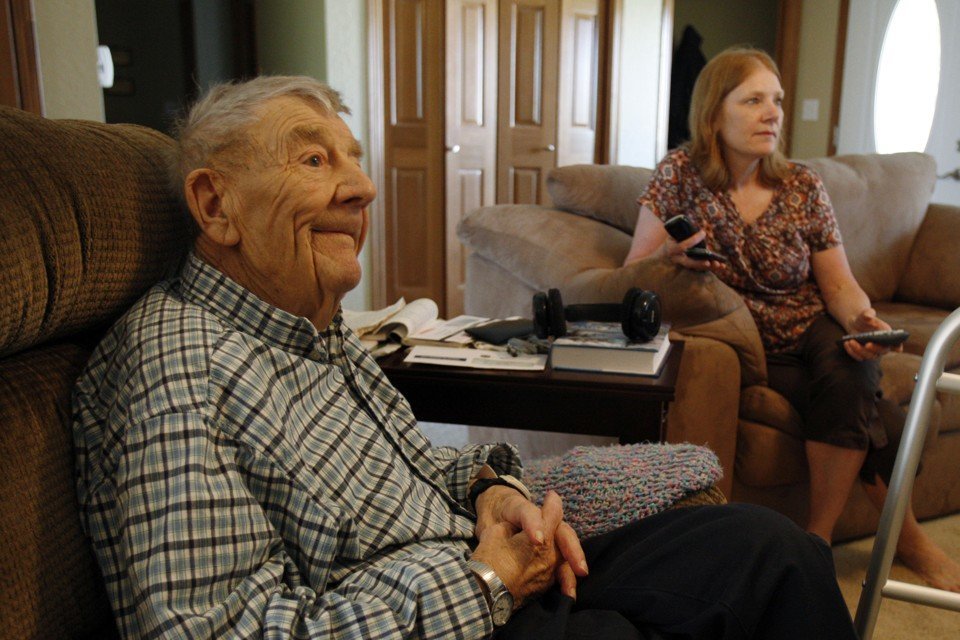
Every Monday during the summer, some of the residents of Lyme, New Hampshire, gather up fruits and vegetables from their gardens to donate to Veggie Cares, a program that distributes local food to people living alone. Volunteers collect, sort, and package the produce, then head out in separate directions to deliver the food to some Lyme's most vulnerable, isolated residents.

While the stated goal of the program is to provide people with healthy food, Veggie Cares volunteers also deliver companionship. Visits are often more than a quick drop-off—they may involve a shared cup of tea, an offer to replace burned-out light bulbs, or a chance to check in on sick or elderly neighbors.

Nine million elderly people currently suffer from food insecurity in the United States, and the produce provided by Veggie Cares is one way to safeguard the health of Lyme residents who may be at risk. But recent research supports the idea that the companionship the volunteers provide may be physically nourishing in its own way.

Comment: More information on the negative health effects of social isolation:


Fire

National study on Fracking's risks to drinking water is challenged - putting heat on the EPA

well water fracking
The Environmental Protection Agency's draft national assessment on fracking's potential to pollute drinking water is still under review. If it is to reflect science over policy, some dramatic changes to the wording of the study's conclusions are needed, EPA's review panel was told during a public comment teleconference on Thursday.

Back in 2010, when Congress first tasked EPA with investigating the risks that hydraulic fracturing poses to American drinking water supplies, relatively little was known about the scale and significance of the onshore drilling rush's environmental impacts.

Comment: More evidence of Fracking health impacts:


Cloud Grey

'Popcorn lung': E-cigarette flavor chemicals linked to lung disease - study

e-cigarettes
© Mark Blinch / Reuters
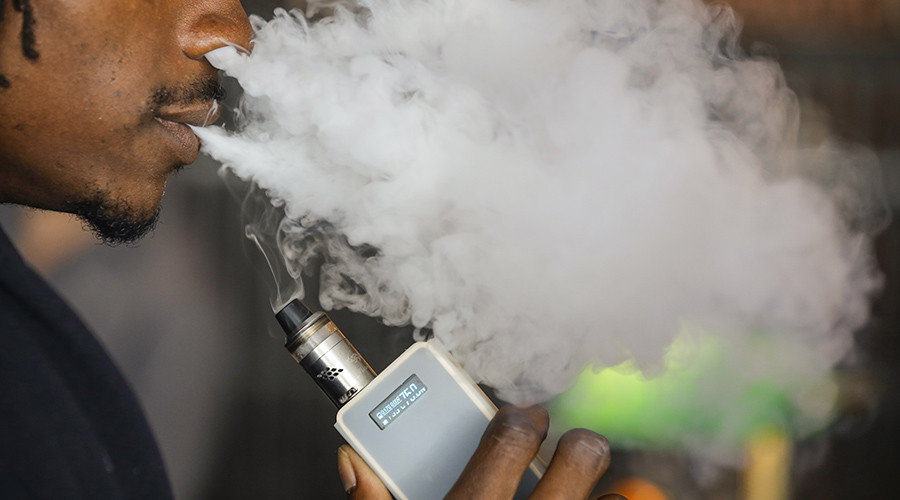
More than 75 percent of flavored electronic cigarettes and their refill cartridges contain the chemical diacetyl, which is linked to a disease known as 'popcorn lung', a new study by the Harvard T.H. Chan School of Public Health has shown.

The name "popcorn lung" comes from the disease's origin in microwave popcorn processing plants, where workers breathed in artificial butter flavorings. Now cases of bronchiolitis obliterans, the scientific name for the devastating disease, could arise from e-cigarette use, according to the study, which was funded through a government grant from the National Institutes of Health and National Institute of Environmental Health Sciences Center.

Comment: The entire paper, "Flavoring Chemicals in E-Cigarettes: Diacetyl, 2,3-Pentanedione, and Acetoin in a Sample of 51 Products, Including Fruit-, Candy-, and Cocktail-Flavored E-Cigarettes", is available at the NIH Web site.


Magnify

Mold: A silent predator making you sick

Mold
© Dave Asprey
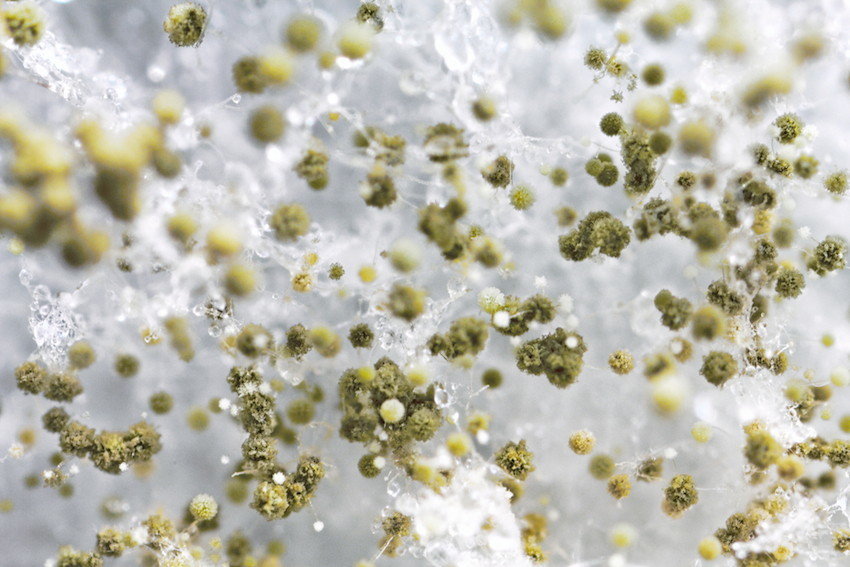
Without knowing it, hundreds of millions of people are exposed to toxic mold every single day by touch, breathing or ingestion—and they don't even know it.

Mold is silent, shifting and threatens our well-being. It can grow behind walls, below floors and even makes a home in our food. What you might not realize is, mold can make you very sick and in some cases, even be deadly.

People often underestimate the crippling effects that mold has on our bodies. If the growth of mold is unmanaged, it can overload and break down your immune system. When someone is suffering from mold toxicity, they are often left confused and frustrated trying to figure out the root cause of their illness.

Comment: Toxic mold illness - a hidden pandemic


Health

Two hospitalized, almost 200 sickened in norovirus outbreak at catered office party in Seattle

Seattle norovirus
© Komo News
Nearly 200 people who attended a catered party at a downtown Seattle office building have become ill with norovirus, a public health official said on Monday.

Public health officials closed all the food-service locations inside the Russell Investments Center in downtown Seattle, including a Starbucks location, said Dr. Meagan Kay, a medical epidemiologist for the public health department.

Norovirus can spread by an infected person, contaminated food, water or contaminated surfaces, the CDC said. Nearly 200 people out of roughly 600 people who attended the party catered by California-based Bon Appetit Management Co on Tuesday reported some level of sickness, Kay said. That number is likely to go up as the investigation continues into the cause of the outbreak, she said.

"The source of this illness remains unclear, and we are as eager as anyone to learn precisely how and when it began," the catering company said. "We have worked with our food safety experts to disinfect the surfaces in our facility and have taken all other necessary steps to ensure food safety."

Two people have been hospitalized overnight and eight people visited an emergency room for their illness, though the conditions of the patients were not known, Kay said. Over the weekend, the building was disinfected in part to address vomiting in restrooms and to clean door knobs and other surfaces, Kay said.

The virus causes the stomach or intestines or both to become inflamed with acute gastroenteritis which leads to stomach pain, nausea and diarrhea, according to the Centers for Disease Control and Prevention. It is the most common cause of foodborne-disease outbreaks and acute gastroenteritis in the United States, causing some 19 million to 21 million illnesses and 570-800 deaths annually, the Centers for Disease Control and Prevention said.

A man who identified himself as Bryan said on a health department blog that he and his wife, who is eight months pregnant, had become sick. He said he had gone to the emergency room and received intravenous fluids.

Syringe

EPA intentionally "fudged the numbers" to make poisonous DOW chemical appear safe

DOW Chemical
© WikiCommonsDOW Chemical
A recent report from the Chicago Tribune revealed that the US Environmental Protection Agency intentionally obfuscated data and changed their own standards so they could allow an unsafe chemical made by DOW to get an acceptable rating. After the EPA approved the chemical, a number of environmental groups including the Center for Food Safety and Earthjustice quickly sued the agency, forcing them to retract their approval several months later.

Last month when the EPA finally reversed their decision, they claimed that "new information" surfaced to make them change their minds, however, according to the Tribune's report and the accusations of many activists, the EPA knew all along and were colluding with DOW to approve a substance that was proven to be harmful.

Nuke

'Fukushima fingerprint': Highest-yet radiation levels found off the United States coast

Fukushima
Radiation from the 2011 Fukushima nuclear disaster in Japan has been detected at an increased number of sites off U.S. shores, including the highest level in the area detected to date, scientists announced Thursday.

While the levels are still too low to be considered a threat to human or marine life by the government's standards, tests of hundreds of samples of Pacific Ocean water reveal that the Fukushima Daiichi plant has continued to leak radioactive isotopes more than four years after the meltdown—and must not be dismissed, according to Woods Hole Oceanographic Institution (WHOI) marine radiochemist Ken Buesseler.

Comment: 'While the levels are still too low to be considered a threat to human or marine life by the government's standards...' Classic example of the mind set: Nothing to see here, folks. Radiation is safe. There are long term health and environmental impacts as a result of the meltdown at Fukushima in addition to numerous other nuclear 'catastrophes' in recent history. For more disturbing details listen to the Health & Wellness show: The Radiation Situation


Syringe

Vaccine extremism in America

vaccines
© truthrevolt.org
2016 will be my 34th year as a vaccine safety and human rights activist.1 For more than 20 years I have been warning that the day would come when vaccine extremists and profiteers would move to legally force Americans to buy and use all government mandated vaccines and punish those who refuse.23 Still, it was a shock to see it happen in California this year,4 even as I know that preparations are being made by vaccine extremists to attack the religious and conscientious belief vaccine exemptions in more states next year.5 6

But knowing and predicting what will happen is very different from watching it actually happen.

Comment: Additional articles and videos from the NVIC founder Barbara Loe Fisher:


Life Preserver

The importance of sleep and how you can hack it

sleep
© keranews.org
The importance of sleep and its relationship to our overall health has for many years been a focal point for various research studies. Continuous findings from these studies are of great relevance to our increasingly sleep-deprived modern day societies. For example, surveys carried out in 2013 have shown that 40% of Americans sleep less than 7 hours a night on average. Yet statistics change fast nowadays considering lifestyle choices and their impact on our health are changing exponentially.

Comment: The Health and Wellness Show - The Importance of Sleep


Muffin

Blood sugar responses to food are more individualized than previously thought

Junk food blood sugar insulin
We've all had this annoying friend who can eat all the junk food he fancies without gaining weight. This unlikely blessing - which almost seems too good to be true - is now supported by scientific evidence.

Experts are increasingly inclined to believe that there is no such thing as a 'one-size-fits all' medicine. We all have our own body chemistry, genetic makeup, health status and lifestyle, and it is only logical that all these factors would affect our health and response to treatment in different ways. Building on this observation, a team of scientists in Israel have tried to determine how different types of food affected 800 patients with different profiles. And the results are quite disturbing.

"We saw vast variability (in blood sugar responses) when we gave people identical meals," said co-researcher Eran Segal, who is also a scientist at Weizmann. 'With bread, some people showed almost no change in glucose, while others showed a large response. Some had higher responses to bread with butter than to bread alone.'

This finding alone already goes against the common belief that the combination of fat and carbohydrates reduces blood sugar responses in patients, but it doesn't stop here: one participant's blood sugar levels spiked after eating bananas but not after eating cookies, while another had a spike when eating sushi and not when eating... ice cream. The observed variations between different persons was qualified as 'immense' by Prof Eran Segal, who led the study.

Comment: Mainstream medicine is inching closer to what traditional practitioners have known for centuries. However, even the most robust person will eventually succumb to poor diet and lifestyle choices. Why take the chance?