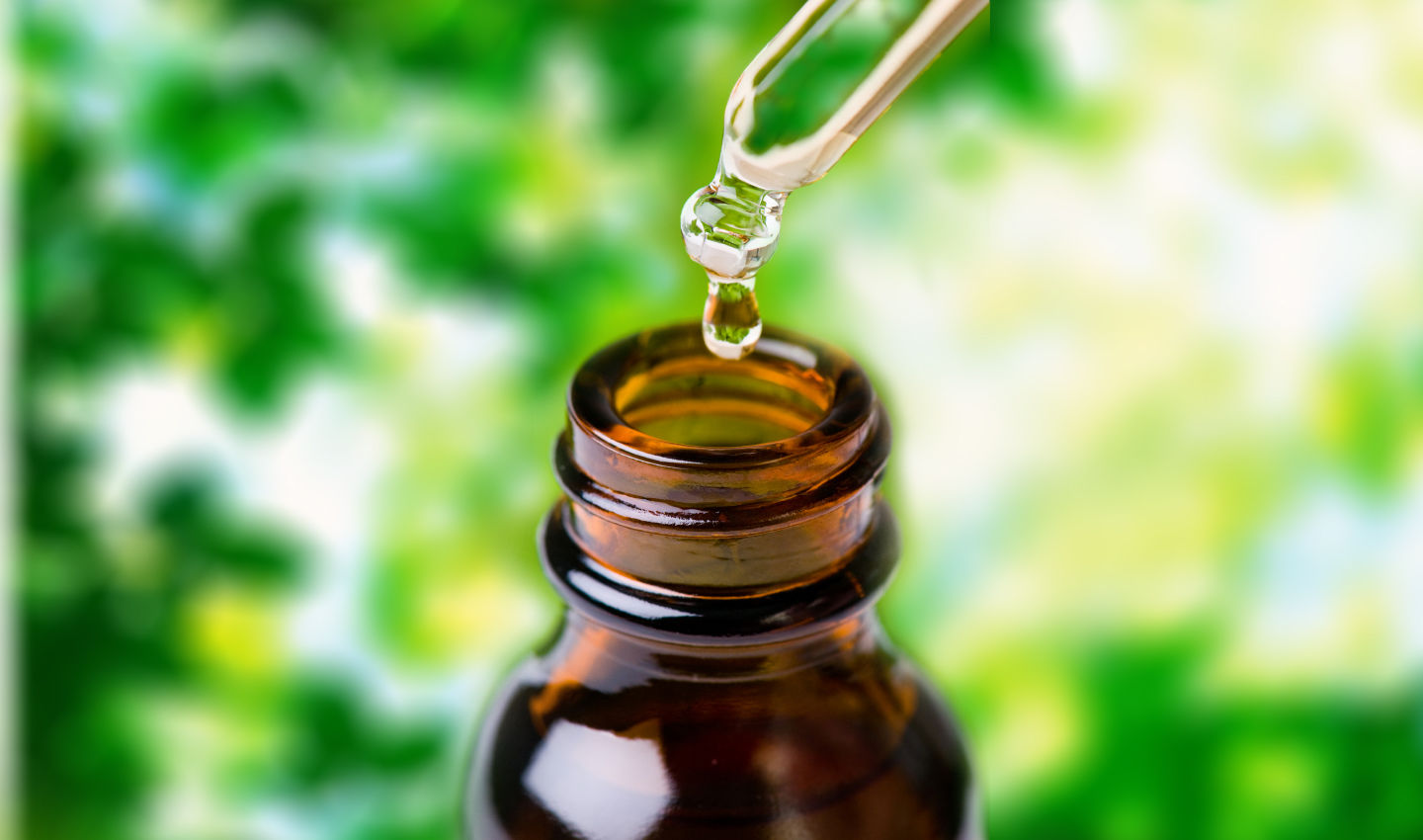
Certain ingredients in essential oils made from plants such as
cloves, anise, fennel and ylang-ylang could serve as a natural treatment of lung and liver conditions caused by air pollution. This is according to Miriana Kfoury of the Unité de Chimie Environnementale et Interactions sur le Vivant, Université du Littoral Côte d'Opale in France and the Lebanese University in Lebanon. She is the lead author of a study in Springer's journal
Environmental Chemistry Letters. It is the
first of its kind to evaluate the value of using certain essential oil compounds to treat inflammation caused by the fine particles that are typical of hazy, polluted air, and that are known to be carcinogenic.
Plants naturally contain various essential oils that are made up of different compounds. Some of these have been found to have antioxidant value, and to also be able to fight inflammation. A group of organic compounds called
phenylpropanoids are found in the essential oils of some plants, and show
promise as possible anti-inflammatory substances. Among these are trans-anethole (a flavor component of anise and fennel), estragole (found in basil), eugenol (which occurs in clove bud oil) and isoeugenol (contained in ylang ylang).
Kfoury and her collaborators first collected air pollutant samples containing fine particles in Beirut, Lebanon. In laboratory tests, the samples were then introduced to human cell cultures of normal bronchial epithelial cells (BEAS-2B) and cancer derived hepatic cells (HepG2). The fine particle matter was found to induce inflammation in the cells - these started to secrete the pro-inflammatory cytokines IL-6 and IL-8 (substances that are secreted during infections and tissue damage).
Cytokin levels normally increase when the body's immune system is fighting a specific infection.
















Comment: See also: A medical medium speaks about the stages of Epstein-Barr virus and chronic fatigue syndrome