
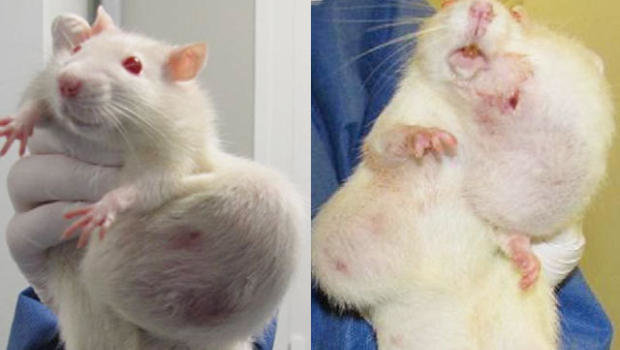
Strange, then, that Monsanto's reputation in the scientific literature is so squeaky clean. Apparently it's just a bunch of science-hating neanderthals who dislike Monsanto's products and all of those squeaky clean couldn't-tell-a-lie, couldn't-hurt-a-fly scientists know better.
Of course, as readers of this column will know, this seeming conundrum isn't so strange after all. Scientists aren't angels and the things they study (as well as the results they get) are all too often influenced by who's paying for their research. And in the case of the peer-reviewed GMO safety literature, it isn't hard to tie a lot of it back to the biotech companies themselves, Monsanto foremost among them.
If any more proof of this insidious influence were needed, it just arrived. A set of emails obtained under a freedom of information request has exposed the types of tricks that Monsanto does to keep "problematic" studies out of the literature.
First, some background. If you haven't seen it already (or even if you have) go back and re-watch or re-read my (award-winning) 2013 report on the Seralini Roundup toxicity study, "Genetic Fallacy: How Monsanto Silences Dissent" and last year's follow-up, "Study Linking GMOs and Tumors Vindicated Yet Again...MSM Stays Silent."

















Comment: Further reading:
GM Corn and Tumors: Monsanto holds up tradition of lying against all evidence, but fails miserably
Scientist who discovered that GMO's cause tumors wins lawsuit