
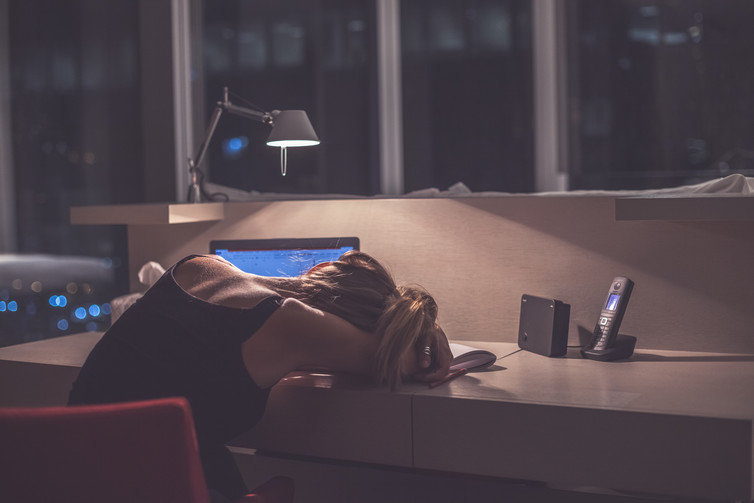
© shutterstock
The results might lead to a better understanding of the rhythmic nature of symptoms in certain psychiatric or neurodegenerative disorders, says study coauthor Derk-Jan Dijk. People with dementia, for instance, can be afflicted with "sundowning," which worsens their symptoms at the end of the day. More broadly, the findings, published August 12 in Science, document the brain's response to too little shut-eye.
"We've shown what shift workers already know," says Dijk, of the University of Surrey in England. "Being awake at 6 a.m. after a night of no sleep, it isn't easy. But what wasn't known was the remarkably different response of these brain areas."

















Comment: For more information, see: