
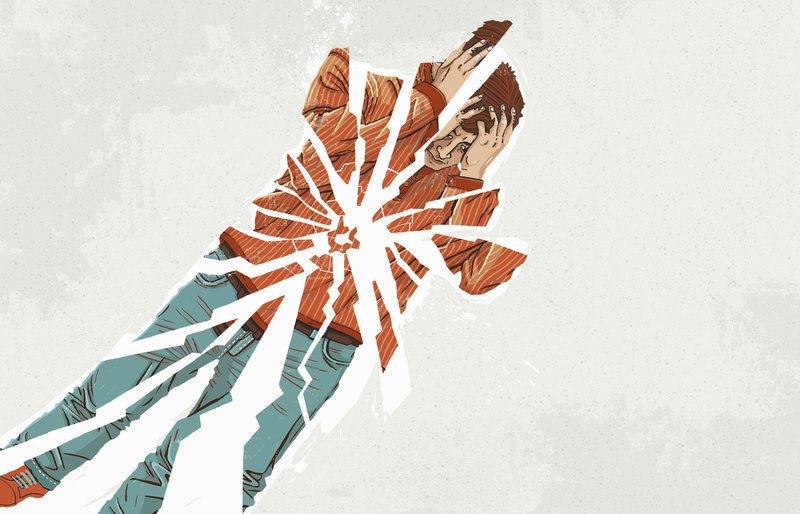
© Eva Bee/Getty Images
The suicide rate among youngsters ages 10 to 14 has been steadily rising, and doubled in the U.S. from 2007 to 2014, according to the Centers for Disease Control and Prevention. In 2014, 425 young people 10 to 14 years of age died by suicide.
We've been reporting about the role that schools and school staff play in addressing students' mental health.
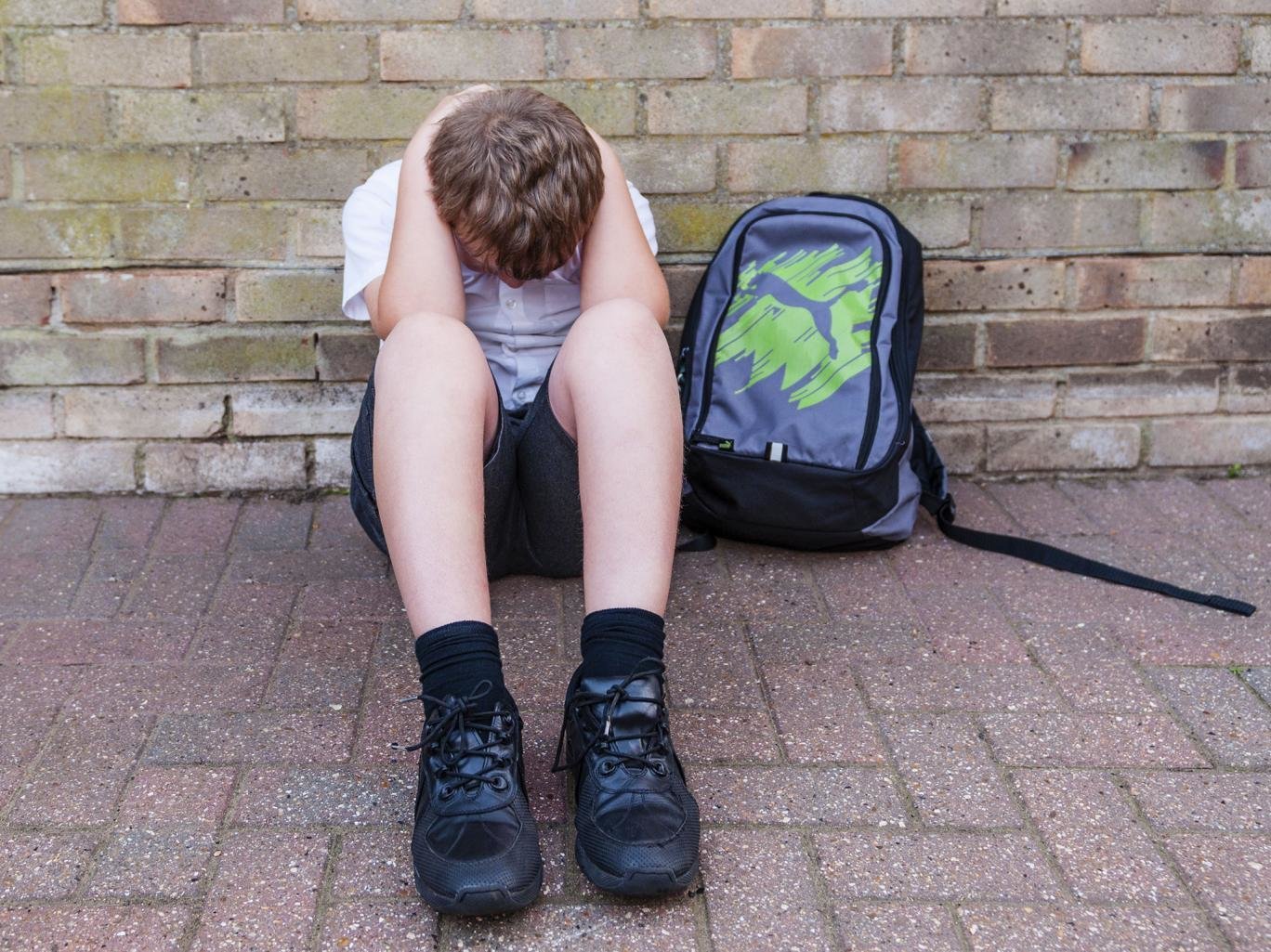
"Kids spend a lot of time at school ... it's where they live their lives," says David Jobes, who heads the Suicide Prevention Lab at Catholic University in Washington, D.C. "Suicide prevention has been focused on schools for a long time because it's a place where kids are and where a lot of problems can manifest."
Many educators don't feel comfortable talking about suicide, or often don't know what to do or say when a student needs help, Jobes says. He recommends resources from the American Foundation for Suicide Prevention that are specific to schools.
"It's really hard to prevent it, if we don't know it's there," he says. So educators shouldn't be afraid to talk about suicide — because saving lives begins with "asking a question."
Yesterday we chatted with Jobes on NPR Live about the six myths on suicide that every parent and educator should now. You can watch the video here

















Comment: More Transmarginal Inhibition to deal with.