Health & WellnessS


Sheeple

It's possible to be asleep and awake at the same time

startled awake man
© Vitaliy Piltser/Getty Images
Ever have one of those moments where you suddenly feel your neck jerking backward, realize with a jolt that you can't remember the last few moments, and wonder in a panic whether you were daydreaming or fully unconscious?

The good news: If it was the latter, it was probably just for a few seconds. As neuroscientist Christof Koch, president of the Allen Institute for Brain Science, recently explained in Scientific American, an unstimulated brain can fall into microsleep, powering down into sleep mode for lightning-quick flashes before waking back up again.

2 + 2 = 4

Everyone poops. Some animals eat it. Why?

Consuming feces can benefit not only the health and microbiomes of some animals, but also their environments

poodle
© humonia / iStockThat looks nutritious.
"Coprophagia" isn't the sort of word that rolls off the tongue. That's fitting. After all, the act it describes—consuming excrement—is frankly disgusting. Yet, more often than not, when animals engage in this behavior, they're not trying not to repulse us—but to communicate something vital about their health and biology.

If you're a pet owner, your main context for coprophagia is probably canine. Whether or not you've experienced it yourself, you've likely heard stories about otherwise good-natured pups that inexplicably decide to chow down on their own feces or raid the cat's litter box. It's the kind of behavior that can inspire loving pet owners to rush to the vet on the assumption that something's wrong with their beloved animals—but the situation doesn't always indicate illness. In fact, even when coprophagia does suggest that there's something wrong with a dog, they're often engaging in it because they're trying to make things right, not because they're fundamentally broken.

Comment:


Health

Healthcare?! Results from many clinical trials are misleading

clinical trials
© Anyaivanova
Clinical trials have been the gold standard of scientific testing ever since the Scottish naval surgeon Dr James Lind conducted the first while trying to conquer scurvy in 1747. They attract tens of billions of dollars of annual investment and researchers have published almost a million trials to date according to the most complete register, with 25,000 more each year.

Clinical trials break down into two categories: trials to ensure a treatment is fit for human use and trials to compare different existing treatments to find the most effective. The first category is funded by medical companies and mainly happens in private laboratories.


The second category is at least as important, routinely informing decisions by governments, healthcare providers and patients everywhere. It tends to take place in universities. The outlay is smaller, but hardly pocket change. For example, the National Institute of Health Research, which coordinates and funds NHS research in England, spent £74m on trials in 2014/15 alone.

Yet there is a big problem with these publicly funded trials that few will be aware of: a substantial number, perhaps almost half, produce results that are statistically uncertain. If that sounds shocking, it should do. A large amount of information about the effectiveness of treatments could be incorrect. How can this be right and what are we doing about it?

Comment: The situation is actually much worse:
As the new chief of Stanford University's Prevention Research Center, Ioannidis is cementing his role as one of medicine's top myth-busters. "People are being hurt and even dying" because of false medical claims, he says: not quackery, but errors in medical research.


Pills

'Miracle' drugs big pharma now regrets

Big Pharma
© Ketamine Advocacy Network
With big pharma, first they promote it, then they discover the risks.

Are you depressed? It may have less to do with your mood than your birth control pills, high blood pressure pills, antibiotics or even anti-hair-loss drug according to new research. New risks have also emerged with popular gastroesophageal reflux disease medicines and even the top-selling painkiller Tylenol.

There are two reasons the risks associated with popular drugs seem to trail their aggressive promotion. Certainly, as millions use brand name drugs, dangerous side effects and adverse events are seen that did not emerge in much smaller clinical trials. Who knew? But also, as AlterNet has noted before, dangerous side effects that might be considered major drawbacks to prescribing the drugs often emerge only when drugs have gone "off patent" and all their profit potential is realized. For both reasons, drug safety activists recommend waiting five years before taking a "new" drug—until it is not "new" anymore.

Here are drugs and drug classes that have raised new concerns.

Stop

Rejecting Big Food's tainted fare: Time to drive factory farmed food off the market

GMO food
© Underground Health
After a decade of exposing and demonizing Monsanto and genetically engineered foods, including an intense four-year battle to force mandatory labeling of GMOs (a battle rudely terminated in July when Congress rammed through the outrageous DARK Act), the U.S. food movement stands at the crossroads.

Should we keep badgering Monsanto's minions in Washington for the right to know what's in our food, a sentiment shared by the overwhelming majority of consumers? Or should we focus more on single-issue reforms, such as banning neonicotinoid bee-killing pesticides, better nutrition in schools, taxes on soda, and an end to the reckless use of antibiotics in animal feed?

A growing number of food activists believe it's time to move beyond limited or single-issue campaigning and lobbying and take on the entire degenerative food and farming system, starting with the malevolent profit-driver and lynchpin of industrial agriculture, GMOs and fast food: factory farming.

Health

As insulin drug prices skyrocket, Bernie Sanders calls for investigation into BigPharma price-fixing

Bernie Sanders
© Mark Kauzlarich / ReutersSen. Bernie Sanders, I-Vt
Vermont Senator Bernie Sanders has requested the US Department of Justice and the Federal Trade Commission open investigations into "potential coordination" by drug-makers Eli Lilly, Sanofi, and Novo Nordisk in raising insulin prices.

In a letter sent Thursday to US Attorney General Loretta Lynch and FTC chair Edith Ramirez, Sanders and Elijah Cummings — the top Democrat on the House Oversight Committee — offered evidence that the three companies "who make different versions of insulin have continuously raised prices on this life-saving medication" even though the patent on insulin expired decades ago, and that "price increases have reportedly mirrored one another precisely."

Insulin is used to treat diabetes, a set of diseases that has quadrupled across the world in the last 35 years, according to the World Health Organization. Nearly 30 million Americans live with with diabetes, and many need insulin to survive. Diabetes costs in the US reached $322 billion in 2012, the letter claimed.

Comment: The pharmaceutical cartel is one of the most egregious examples of corporate psychopathy. Being forced to pay fines for routinely breaking the law is no deterrent, as this predatory mafia-like industry just considers this as a normal cost of doing business.


Pills

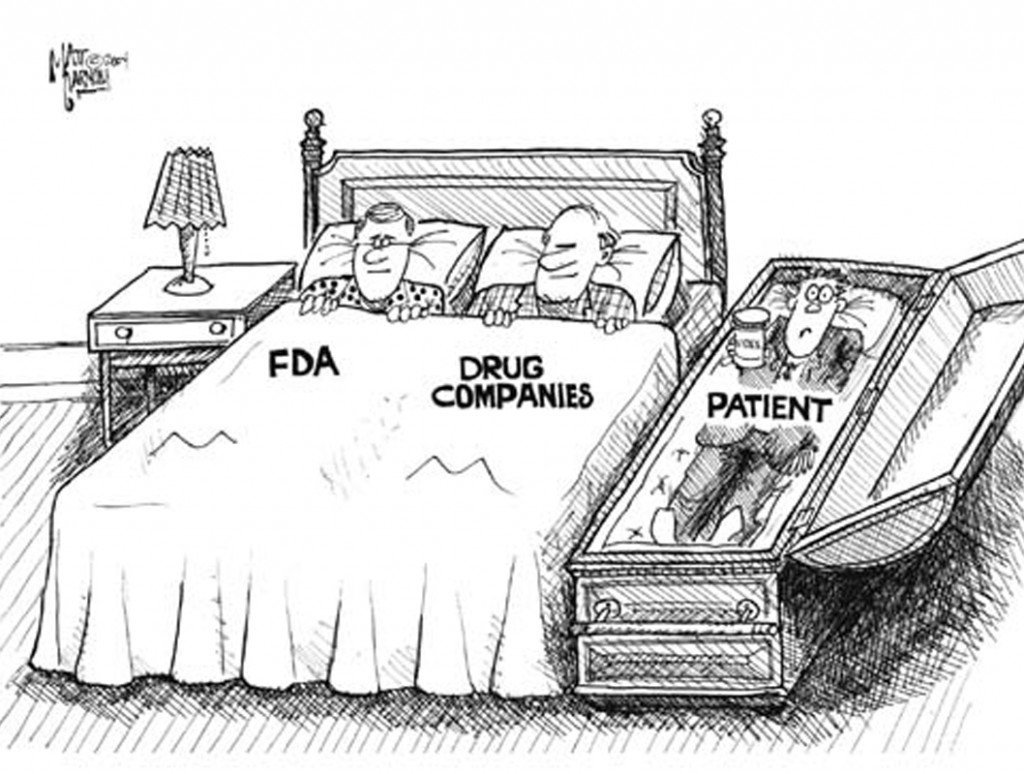
FDA a little too cozy with drug companies

A new report look at the "revolving door" between the FDA and drug companies
Big  Pharma
People who work at the U.S. Food and Drug Administration (FDA) as medical reviewers are responsible for parsing the risks and benefits of a particular drug before it gets the agency's approval. But a new report from two researchers at the Oregon Health and Science University, published in the journal The BMJ, suggests many of these medical reviewers go on to work for the drug companies they oversaw while working for the government.

Critics have called out this revolving door between the FDA and the pharmaceutical industry, and the study's authors wanted to see how the numbers matched up to that claim. They looked at the FDA's list of haematology-oncology drug approvals from 2006 to 2010 and scanned all medical reviews from 2001 to 2010 in the agency's database, then looked up the subsequent jobs of the people who worked as medical reviewers for those drug approvals.

The researchers found that among 55 people who worked as haematology-oncology medical reviewers from 2001 to 2010, 27 continued in their roles at the FDA, two people worked at the FDA but held other appointments, and 15 left the FDA to work with or consult for the biopharmaceutical industry. The jobs of the rest of the people could not be determined.

Comment: Federal laws and FDA ethics should rule over issues like avoiding real and apparent conflicts of interest. This is only in theory, the actual reality speaks otherwise:

SOTT Exclusive: Corruption of medical science - Least adequate person appointed as head of the FDA

Conflicts of interest are leading to countless deaths.


Top Secret

Scientific paper that was retracted, now republished, reveals the dangers of the HPV vaccine

Bill Gates
© Your News Wire
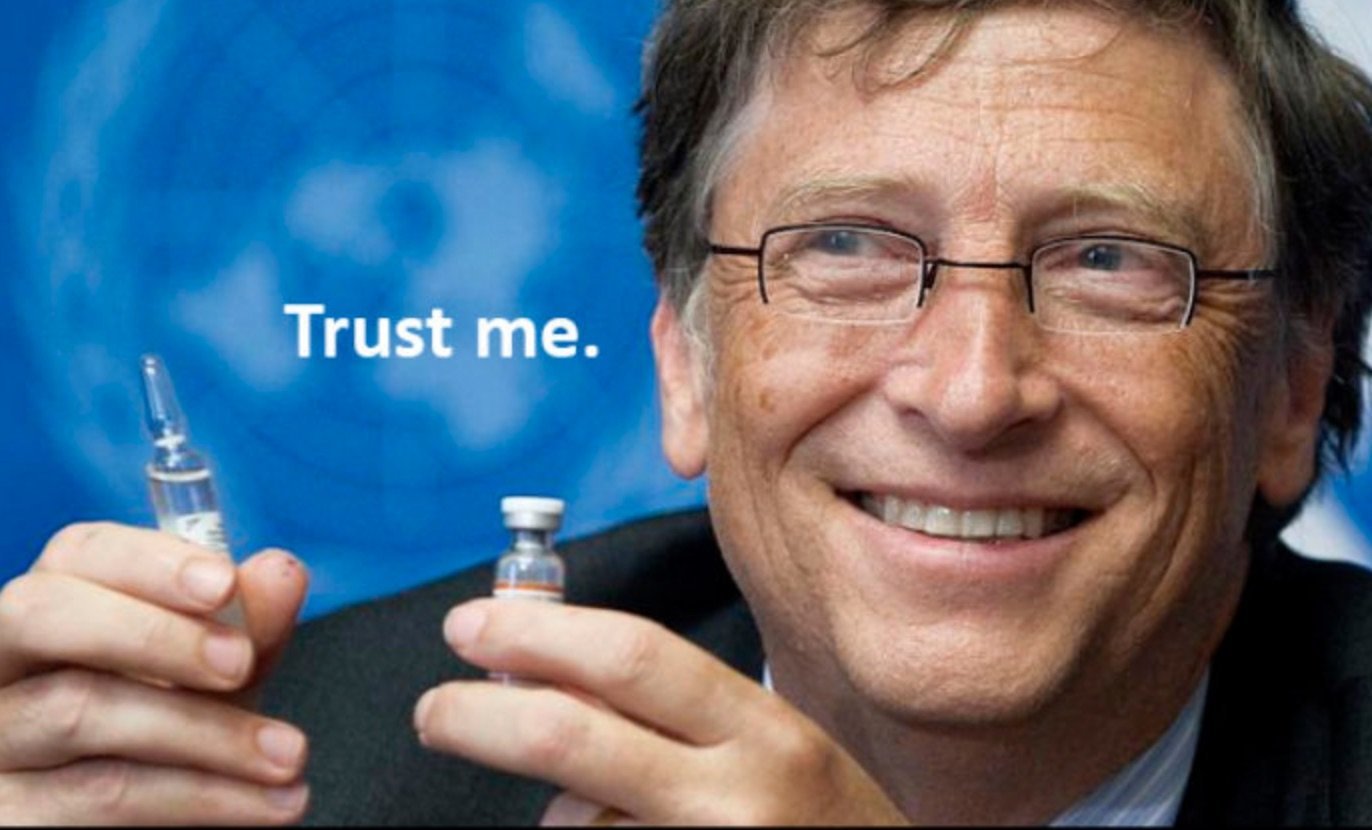
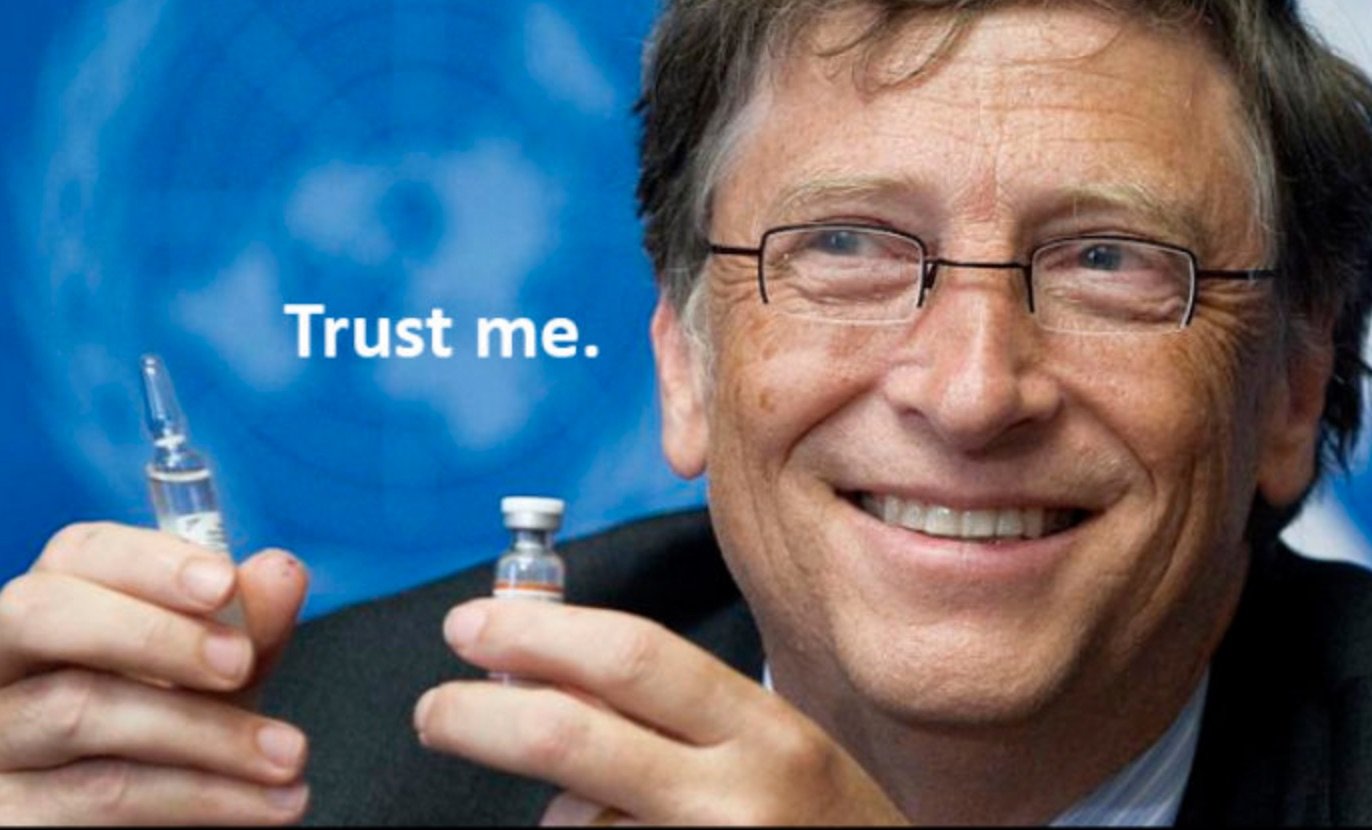
Recently a 43-page document produced by the Indian Parliament accused the U.S. organization, PATH, funded partially by the Bill and Melinda Gates' foundation, of committing illegal and improper activities in support of the development of the HPV vaccine in India. Later, Gardasil and other HPV vaccine victims sued Merck, the manufacturer of those vaccines, for causing permanent disabilities. Though the dangers of these vaccines, sold under the auspices of protecting women from cervical cancer, are now more openly talked about, the industry did its best at covering up the possible dangers which makers knowingly swept under the rug. A newly published scientific document reveals some of these startling dangers, as never before, and calls into question the true intent behind these 'medicines.'

It isn't as if other scientist have not been ringing the alarm bells. Dr. Sin Hang Lee, MD, Director, Milford Molecular Diagnostics Laboratory, recently submitted an official, open-letter complaint to the Director-General of the World Health Organization (WHO), Dr. Margaret Chan, alleging gross misconduct, malfeasance and what potentially amounts to criminal behavior to deceive the public regarding the safety of HPV vaccines Gardasil and Cervarix.


Comment: The HPV vaccine should scare the living daylights out of everyone! It is one of the greatest medical scandals of all time!


Life Preserver

Gamma linolenic acid: Most overlooked fat to reduce inflammation

gamma linolenic acid
Most people today, health buffs or not, are deficient in gamma linolenic acid, a critical omega-6 fat that is frequently overlooked particularly by those seeking to lose weight and reduce inflammation.

While other healthy lipids such as weight loss boosting coconut oil and muscle building conjugated linoleic acid (CLA) get all the headlines and attention, gamma linolenic acid (GLA) gets little to no kudos and yet is just as vitally important!

Even more ironic is that a hallmark of the Western Diet is excessive consumption of omega-6 polyunsaturated fats usually in the form of processed foods cooked or fried in cheap, rancid and frequently genetically modified (GMO) vegetable oils. Even when the sources of these omega-6 fats are whole foods, however, moderate to severe deficiencies of gamma linolenic acid persist even among the seemingly healthy.

Health

Medical errors and the fall of the Hippocratic Oath

confused doctor
The Hippocratic Oath is one of the oldest binding documents in history. While the classical oath calls for "the opposite" of pleasure and fame for those who transgress the oath, fewer than half of oaths taken today insist the taker be held accountable for keeping the pledge. Some doctors see oath-taking as little more than a pro-forma ritual with little value beyond that of upholding tradition, but how far have modern Physicians come from the Hippocratic Oath as it was intended to protect patients in doing no harm?

CTV recently reported that 1 in 18 experienced a potentially preventable injury while hospitalized. Of those, 1 in 5 experienced multiple harmful events during their stay. Kelly Kliewer was one of those affected. In 2004, she went in for carpal tunnel surgery. Once in surgery, though, the anesthesiologist gave her a paralytic instead of an anesthetic. According to Kliewer, "I stopped breathing, it paralyzed all my organs, went into respiratory distress and had to get put on a ventilator." She is still seeing a psychologist for PTSD from the ordeal.