Health & WellnessS


Pills

The pains of Big Pharma: Long-term opioid prescriptions lead to addiction

opioid addiction
© Delcia Lopez / Reuters
A survey of 809 adults who have been prescribed opioids for long-term use or have a long term opioid user in their household, found that one in three are dependent on opioids. The vast majority were prescribed opioids by their doctors.

Much of the US is in the throes of an opioid epidemic, and the blame has been placed with federal regulators of pharmaceuticals, to the doctors prescribing the painkillers, to the industry itself. But a Washington Post-Kaiser Family Foundation survey released Thursday offers insight into the development of opioid addiction as well as what doctors should be doing better to reduce dependency.

The survey examined the experience of people who had been taking opioids for over two months to treat pain not related to cancer or terminal illness. The need to use painkillers for long periods of time can range from degenerative diseases like arthritis to injuries that are unlikely to heal.

Comment: Systemic abuse: Majority of opioid painkiller prescriptions written by family physicians, not 'pill mills'


Brain

Dopamine: Why it's so hard to "Just say no"

Recovering from addiction is about healing mind, body, and life

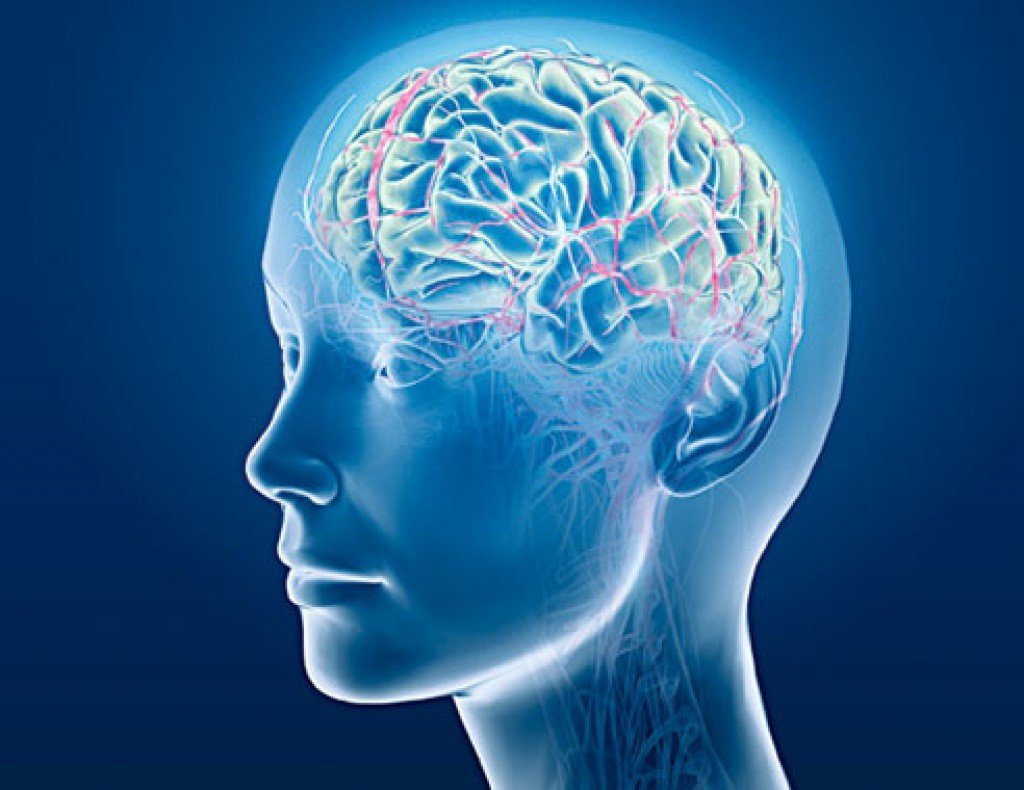
brain on dopamine
"Why doesn't s/he just stop when s/he knows how much it's hurting me?" This is one of the most common questions asked by those who love someone addicted to substances and/or harmful behaviors. It might be helpful for those loved ones to know that stopping isn't simply a matter of wanting to, or simply understanding that you may be causing someone else's pain. Research indicates that to "just stop" is not so easy.

One of the main reasons is called dopamine. Research on the brain indicates that addiction is about powerful memories, and recovery is a slow process in which the influence of those memories is diminished. Both addictive drugs and highly pleasurable or intense experiences (such as a life or death thrill, a crime, or an orgasm) trigger the release of the brain chemical dopamine, which in turn creates a reward circuit in the brain. This circuit registers that intense experience as "important" and creates lasting memories of it as a pleasurable experience. Dopamine changes the brain on a cellular level, commanding the brain to "do it again," which heightens the possibility of relapse even long after the behavior (or drug) has stopped. Dopamine also helps to explain why intense experiences can be just as addictive as drugs.

Comment:


Laptop

Playground of abuse: Social media cause many kids to self-harm

self harm
© cutestpkever.wordpress.com
A nation of unhappy youngsters are being developed and its all due to social media, according to a report by a children's charity, that claims more teenagers are self harming in order to deal with unresolved issues.

The National Society for Prevention of Cruelty to Children (NSPCC) has obtained data under the Freedom of Information Act (FOI) that 18,778 children aged between 11 to 18 were admitted to hospital for self-harm in 2015-16 in Britain.

This is an increase from the 2013-14 figure (16,416) and represents a 14 percent rise. The most likely segment to be impacted were teenagers, ages 13-17, who were more likely to end up in hospital for self-harm, such as cutting, overdosing on pills or burning themselves.

Magnify

Why do half of people 'remember' events that never happened?

3 figures wavylines
© Robert Beatty
Ever find yourself caught up in a vivid memory of an event that, you later realize with confusion, didn't really happen the way you thought? According to new research by psychologists at the University of Warwick in the U.K., you are far from alone.

The study demonstrated that about half of individuals will come to believe a fictional event occurred if they are told about that event and then repeatedly imagine it happening. More than 400 people participated in the study, led by professor Kimberley Wade.

The study experimented with implanting fake (but relatively harmless) memories, such as taking a childhood hot-air balloon ride, pulling a prank on a teacher, or causing trouble at a family wedding, into the minds of study participants. Researchers told them about the imaginary events as if they were real, and about 30 percent of participants appeared to "remember" it happening, even elaborating on how it occurred and describing details of what it was like. Another 23 percent showed signs of accepting the story to some degree, the researchers said.

Showing participants photos of the purported hot-air balloon ride actually diminished the chances that they would accept the account and develop false memory. The researchers theorize this could be because "such photos may serve to constrain imagination during efforts to recall the event, thus leading to lower memory formation."

Snowflake Cold

Seasonal affective disorder - how it feels on the inside

seasonal affective disorder
It's like clockwork. Every year, right in the middle of October, I find myself stricken with panic and exhaustion that has nothing to do with my job or my personal life and everything to do with one simple environmental factor. The sun is going down, and all it takes to make my stomach drop is one glance out the window to see the sky growing dark by 6:30 p.m. The feeling is primal and consuming, and it's at the root of my seasonal affective disorder (SAD).

Once classified as its own diagnosis, SAD is now categorized as a variety of major depression that manifests in a seasonal pattern. For most, SAD occurs in the winter months, as the weather becomes colder and the days grow shorter, but some experience seasonal depression during spring and summer. The symptoms of SAD often mimic major depression, including feelings of sadness and hopelessness, increased anxiety, disrupted sleep patterns, loss of energy and motivation, changes in eating habits, and even thoughts of death.

Comment: Tips to beat the winter blues


Attention

Unappetizing assessment of the U.S. food supply: 85% of the food has pesticide residues

pesticide residue
One sample of strawberries contained residues of 20 pesticides

New government data offers a potentially unappetizing assessment of the U.S. food supply: Residues of many types of bug-killing pesticides, fungicides and weed-killing chemicals have been found in roughly 85 percent of thousands of foods tested.

Data recently released by the U.S. Department of Agriculture shows varying levels of pesticide residues in everything from mushrooms to potatoes and grapes to green beans. One sample of strawberries contained residues of 20 pesticides, according to the Pesticide Data Program report issued this month by the USDA's Agricultural Marketing Service. The report is the 25th annual such compilation of residue data for the agency, and covered sampling the USDA did in 2015.

Comment: Our food: 34,000 Pesticides & 600 Chemicals


Cut

Pulled from publication: 2016 health study on vaccinated vs. unvaccinated children

vaccination
The just-ended presidential election cycle in the USA has something very much in common with vaccine 'science', or so it seems: Both produce results that are questioned, contentious and even manipulated with varying degrees of culpability. Strong words! Maybe, but factual to the point of proof as in the scientific journal article that was "unpublished" after vaccine acolytes raised all sorts of hell about it and the study's results proving that "Vaccinated children were significantly less likely than the unvaccinated to have been diagnosed with chickenpox and pertussis, but significantly more likely to have been diagnosed with pneumonia, otitis media, allergies and NDDs (defined as Autism Spectrum Disorder, Attention Deficit Hyperactivity Disorder, and/or a learning disability).

In the Abstract's Conclusion, it was noted that
"In this study based on mothers' reports, the vaccinated had a higher rate of allergies and NDD than the unvaccinated. Vaccination, but not preterm birth, remained significantly associated with NDD after controlling for other factors. However, preterm birth combined with vaccination was associated with an apparent synergistic increase in the odds of NDD. Further research involving larger, independent samples is needed to verify and understand these unexpected findings in order to optimize the impact of vaccines on children's health."

Comment: Also read Catherine J Frompovich's article: Unvaccinated populations are healthier than the vaccinated


SOTT Logo Radio

SOTT Focus: The Health & Wellness Show: Aging is not just for the aged anymore

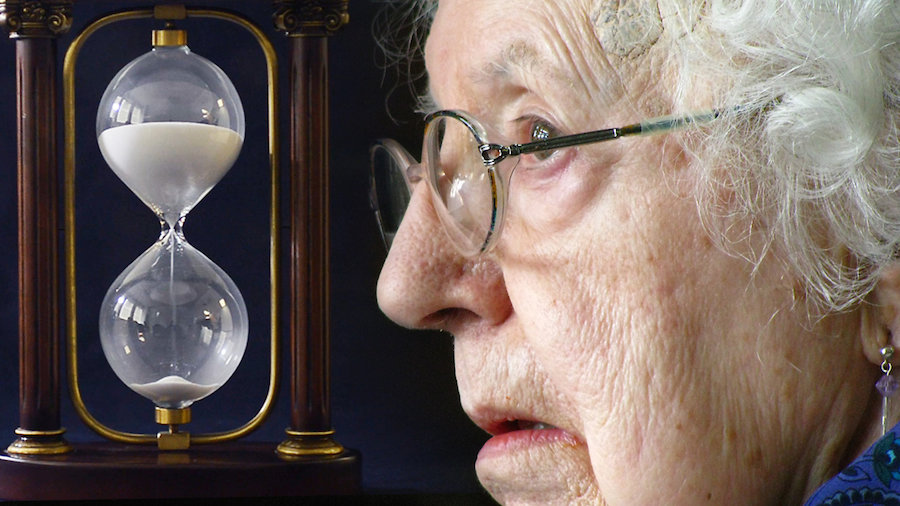
aging, elderly, time running out
Diabetes, stroke, obesity, lower back pain, hemmorhoids and sciatica -- all diseases usually found in older people -- are striking children and young adults at greater rates. Many people have the idea that they can enjoy life in their younger years, eat and drink whatever they want, do whatever they like, and not have to worry about diseases or illnesses until they are much older. Unfortunately, this mindset coupled with a plethora of toxic foodstuffs available 24 hours a day and increasingly sedentary lifestyles has led to a world full of youngsters living in elderly bodies.

When it comes to aging, is our society so far removed from what is truly healthy that we confuse what would be considered normal with what is common? Is a sick population, of both the young and the old, our destiny? On this episode of The Health and Wellness Show we'll explore this phenomenon and its causes as well as dietary and lifestyle changes to keep your innards young and supple for as long as possible.

And don't forget that pets age too. Stay tuned for Zoya's Pet Health Segment where the topic will be caring for seniors of the furry persuasion.

Running Time: 01:30:09

Download: MP3


Here's the transcript of the show:

Smoking

E-cigarettes use among youth condemned by US surgeon general

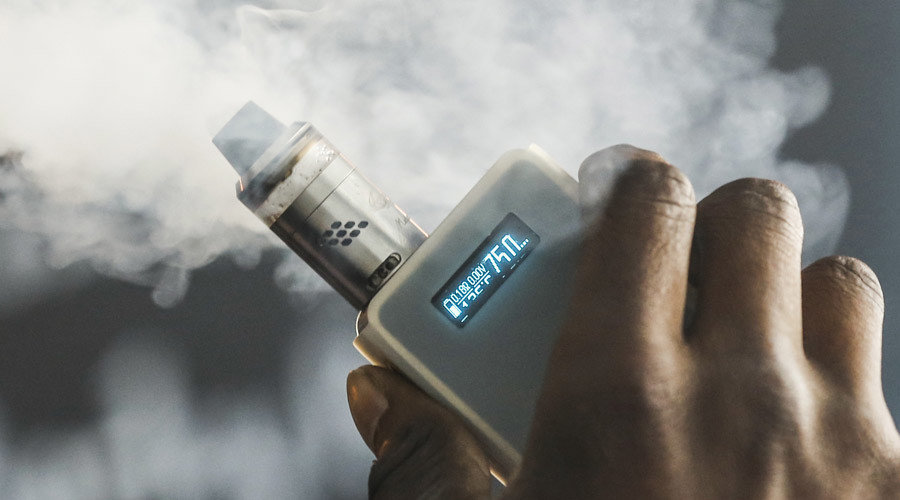
E-cigarette
© Mark Blinch / Reuters
The US surgeon general has raised alarm over the vulnerability of young people to the negative health effects of e-cigarettes in the fight against nicotine addiction. A new report challenges the view that vaping is less dangerous than smoking.

Surgeon General Vivek Murthy, the nation's top doctor, released a report Thursday — 'E-Cigarette Use Among Youth and Young Adults' — that recommended e-cigarettes be treated like other forms of tobacco smoking, especially with regards to use among young people.

"We know a great deal about what works to effectively prevent tobacco use among young people," the new report said. "Now we must apply these strategies to e-cigarettes."

Comment: Some of the health benefits from smoking real tobacco:


Syringe

Gary Null: Are we being lied to about 'vaccine efficacy'?

gary null
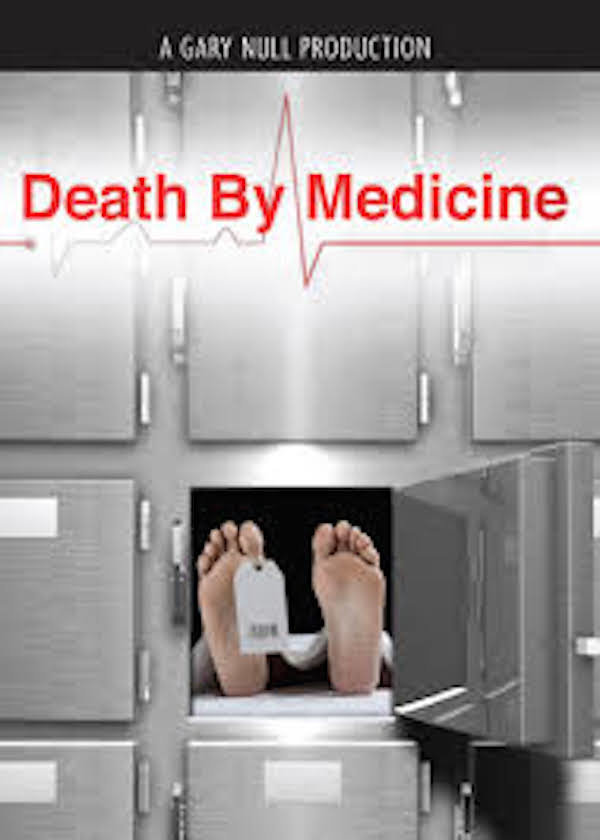
Gary Null, author of Death By Medicine, says we are. He argues that little evidence exists to support the notion that vaccines actually work to protect us from disease.

Take the flu vaccine. Null writes that a "study has yet to be undertaken that evaluates the long-term progress of both fully vaccinated and unvaccinated children of comparable biochemistries, ages, and lifestyles." The government won't even report on how many vaccinated kids got the flu. Even so, there is evidence that the vaccine is not very effective, as we have reported previously. There is also evidence that supplemental vitamin D is at least as effective as the vaccine in preventing the flu.


Real scientists acknowledge that these issues are complex. For example, Null notes that many biological factors influence immunity, such as quality of the diet, levels of vitamins A and C (as well as D), exercise, stress management, and exposure to environmental toxins. Why are we suddenly so immune-compromised that we have to be vaccinated for everything under the sun?

Comment: Read more articles from Gary Null and why we should be skeptical about vaccines:
A medical science that refuses to ask new questions and settles upon disputed beliefs to sustain an industry's financial portfolio is Scientism, a quasi-faith-based creed now institutionalized to promulgate repressive laws. These laws then advance Scientism's authority. Unfortunately, today this accurately represents the sad state of vaccine research and vaccination policy. Modern vaccine science, and conventional medicine in general, has morphed into a new fascism, a rigid doctrine that has sacrificed the foundations of scientific integrity on the altar of institutional greed, privilege and profit.