Health & WellnessS


Arrow Up

Anti-abortion mom wins right to not vaccinate her son

MMR vaccine
A New York Russian Orthodox mom has won the right to exempt her autistic son from getting the school-mandated measles/mumps/rubella vaccination after citing her moral opposition to abortion, The Post has learned.

The woman said she objected on religious grounds because of the MMR vaccine's link to the cells of aborted fetuses.

The city Department of Education rejected her bid for exemption after questioning the sincerity of her religious beliefs during the summer and fall of 2013.

But the mother, a Russian immigrant whose name was withheld under privacy laws, filed an appeal with the state Education Department.

Education Commissioner Mary Ellen Elia sided with the parent and granted the student exemption in an Aug. 3 ruling.

"Her opposition to the MMR vaccine stems from sincerely held religious beliefs. ... Furthermore, petitioner produced information relative to specific ingredients ... which appears to provide the linkage between vaccines and aborted fetal tissue," Elia said.


Fish

Taking fish oil during pregnancy may help lower asthma risk for babies

Fish oil capsules
© Korzeniewski | DreamstimeResearchers in Denmark have discovered a potential link between fish oil and better protection from asthma. Their study suggests that mothers who take fish oil supplements during pregnancy make their babies less likely to develop the respiratory condition.
Expectant mothers who take fish oil during the first three months of their pregnancy are more likely to lower their child's risk of having asthma, a new study says.

Pediatrician Dr. Hans Bisgaard and his colleagues at the University of Copenhagen examined how a regular intake of fish oil during pregnancy can help prevent unborn babies from developing asthma.

The researchers discovered that pregnant women who were given fish oil supplements throughout their third trimester were able to reduce their child's chances of getting the respiratory condition considerably by the time the child became a toddler.

While a potential link between fish oil and better asthma protection had been established by earlier studies, the new paper is believed to be the first to discuss the magnitude with which the benefits could be seen.

Comment: See also: Fish oil can boost immune system and reduce inflammation


Health

85-Year-Old Marathoner is so fast that even scientists marvel

It was a day for talking, not running. Snow was piled along the streets. The driveway was icy. Ed Whitlock's shoulder hurt. His face had been puffy. He did not feel well enough for the cemetery. At a visitor's urging, Whitlock showed his display of novelty trophies. A beer can for winning a series of races as a 60-year-old. ("There's still beer inside!"). A coffee mug for becoming the first (and still only) person older than 70 to run a marathon in under three hours. A baseball for throwing out the first pitch at a minor league game.

"It bounced three times to the catcher," Whitlock said a few days before Christmas. "My arm is terrible."
marathon runner
© Todd Fraser/Canada Running SeriesEd Whitlock completed the Toronto Waterfront Marathon in 3 hours 56 minutes 34 seconds to become the oldest person to run 26.2 miles under four hours.
It is not his arm, but his legs and lungs that have made him a scientific marvel and octogenarian phenom. In October, at 85, he set his latest distance-running record, completing the Toronto Waterfront Marathon in 3 hours 56 minutes 34 seconds and becoming the oldest person to run 26.2 miles in under four hours.

Having set dozens of age-group records from the metric mile to the marathon, Whitlock remains at the forefront among older athletes who have led scientists to reassess the possibilities of aging and performance.

Pills

1 in 6 Americans are now on psychiatric medication

Recent research shows that American doctors are still over-prescribing many different kinds of drugs,1 especially antibiotics and opioid pain killers, despite repeated calls for prudence.

U.S. health care expenses have also risen, hitting $3.2 trillion annually as of 2015, and rising prescription prices combined with over-prescribing are significant drivers of these rising costs, according to a government report.2,3,4,5
Prescription meds
While psychiatric drugs were not included in that report, statistics reveal a very clear trend of over-prescribing here as well. According to recent research, 1 in 6 Americans are now on antidepressants or some other type of psychiatric drug, and most appear to be taking them long-term.6,7,8,9,10

That's quite an extraordinary number, and a significant increase, nearly doubled, from 2011 when 1 in 10 American adults reported using a psychiatric drug.11According to lead author Thomas J. Moore, a researcher at the Institute for Safe Medication Practices:
"To discover that 8 in 10 adults who have taken psychiatric drugs are using them long term raises safety concerns, given that there's reason to believe some of this continued use is due to dependence and withdrawal symptoms."
Dr. Mark Olfson, a professor of psychiatry at Columbia University, commented on the findings saying it reflects a growing reliance on prescription medications to manage common emotional problems.

Comment: Protect your children from psychiatric medication
More than 1 in 10 Americans on Suicide-Linked Antidepressants
Antidepressants could cause harm to heart, brain, and bones


Brain

T-cells dripped into the brain help man fight a deadly brain cancer

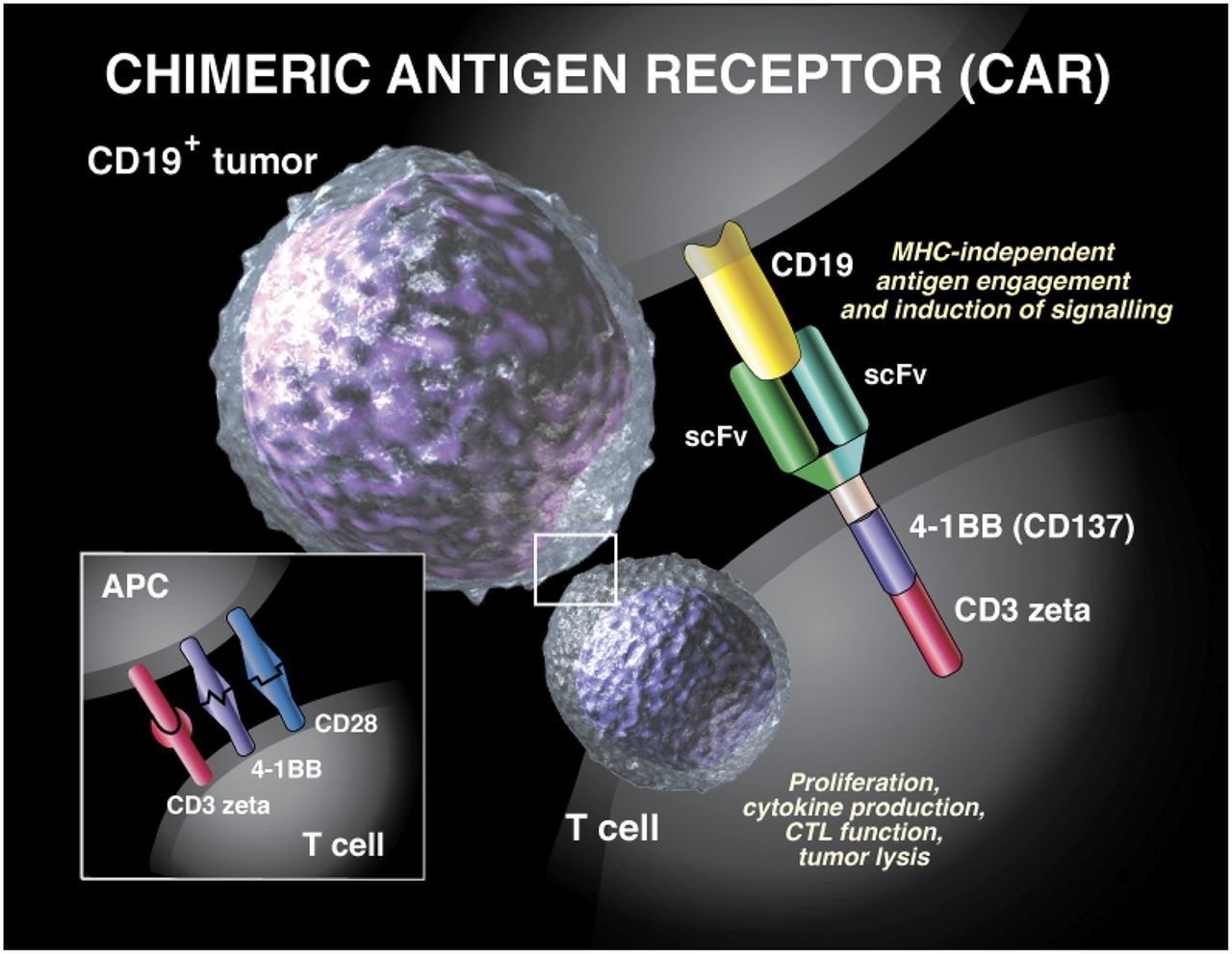
targeted chimeric antigen receptor T-cell therapy
© Sue Seif
A man with deadly brain cancer that had spread to his spine saw his tumors shrink and, for a time, completely vanish after a novel treatment to help his immune system attack his disease - another first in this promising field.

The type of immunotherapy that 50-year-old Richard Grady received already has helped some people with blood cancers such as leukemia. But the way he was given it is new, and may allow its use not just for brain tumors but also other cancers that can spread, such as breast and lung.

Grady was the first person to get the treatment dripped through a tube into a space in the brain where spinal fluid is made, sending it down the path the cancer traveled to his spine.

He had "a remarkable response" that opens the door to wider testing, said Dr. Behnam Badie, neurosurgery chief at City of Hope, a cancer center in Duarte, California, where Grady was treated.

The case is reported in this week's New England Journal of Medicine.

Life Preserver

New treatment based on ocean bacteria shown to stop the spread of prostate cancer

prostate cancer light therapy
Scientists just completed a trial of a new, non-surgical prostate cancer treatment that uses a tumour-killing drug based on ocean bacteria, and the procedure saw almost half the patients go into complete remission.

The treatment is known as vascular-targeted photodynamic therapy (VTP), and is made possible by a drug called WST11, which is derived from bacteria that live at the bottom of the ocean. These light-sensitive organisms convert photons into energy, and when the same trick is mimicked by WST11, the compound kills cancer cells.

In a broad clinical trial at 47 treatment sites across 10 different European countries, 49 percent of patients with early prostate cancer that were treated with VTP went into complete remission, compared with 13.5 percent in the control group.

"These results are excellent news for men with early localised prostate cancer, offering a treatment that can kill cancer without removing or destroying the prostate," says lead researcher Mark Emberton from University College London.

"This is truly a huge leap forward for prostate cancer treatment, which has previously lagged decades behind other solid cancers such as breast cancer."

Comment: See also: Counter-intuitive prostate cancer treatment shows great promise, doctors still 'figuring out how this works'


Pills

Antipsychotics linked to mortality risks in Alzheimer's patients

Drugs
© Srdjan Zivulovic / Reuters
In a new study published in the Journal of Alzheimer's Disease, researchers analyzed and compared the risk of mortality between commonly prescribed antipsychotic drugs amongst community-dwelling individuals with Alzheimer's Disease (AD). Community-dwellers is a term often used to refer to elderly individuals who do not live in nursing homes. The team led by Finland-based investigator Marjaana Koponen, found that using antipsychotics was linked to a higher risk of mortality for this, a rate that was maintained throughout long-term use. The risk was greater for individuals using multiple antipsychotic medications concomitantly.

Antipsychotics are frequently used amongst individuals with dementia, including AD, to treat behavioral and psychological symptoms such as aggression and agitation. However, research has found antipsychotics can increase the risk of having a stroke in this population, in addition to other severe side effects. Previous research has found similar findings of increased mortality rates. Despite prior studies indicating safety risks of antipsychotics, clinical recommendations to reduce prescriptions, and Alzheimer's-focused organizations' focus on antipsychotic use reduction, prescription rates continue to be problematic.

Comment: This is just the tip of the iceberg, for more information check out:

The Health & Wellness Show: ‌Big Pharma Karma - Magic bullets and the astonishing rise of mental illness


Heart

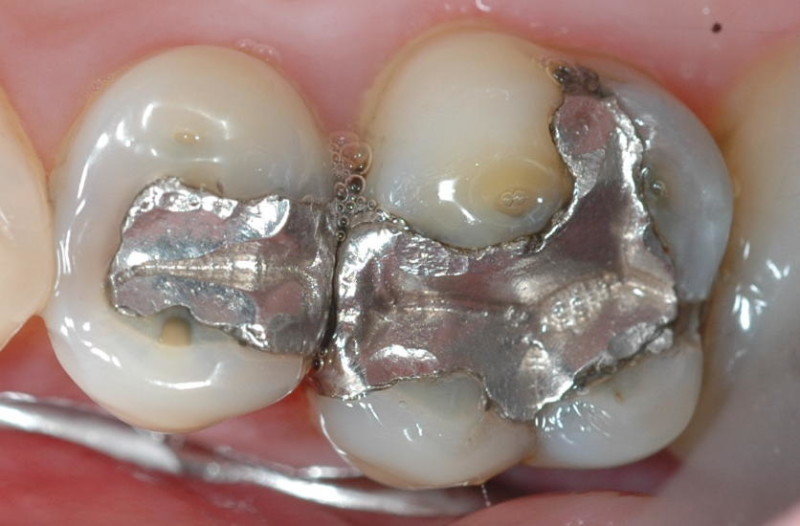
European Union bans amalgam fillings for children and pregnant or nursing women

Mercury amalgams
Mercury amalgams
"The next generation of Europe's children are safe from toxic dental mercury," proclaims Charlie Brown, president of Consumers for Dental Choice and the umbrella World Alliance for Mercury-Free Dentistry.

Starting July 1, 2018, amalgam use is banned for children under the age of 15 and for pregnant or nursing women — anywhere in the vast European Union (EU)1,2 — 28 countries in all, with a population totaling more than half a billion people.

Brain

The addiction habit

Addiction changes the brain but it's not a disease that can be cured with medicine. In fact, it's learned - like a habit

addiction and habit
© Stephan Vanfleteren/Panos
Three years ago, I put out a call to my blog community: would anyone be willing to tell me the story of their addiction, from start to finish, in all of its gory detail, for the book I am writing? The book would combine an account of brain change in addiction with subjective descriptions of what it's like to live inside addiction. More than 100 people replied. Two years later, I'd recorded intimate biographies of a heroin addict, a meth addict, an alcoholic, a pill-popper and someone with an eating disorder, and my book The Biology of Desire was published in 2015.

I already knew a lot about addiction. I had struggled with my own drug compulsion, back in my 20s, and lost most of what I valued as a result. But then I quit, returned to university, earned a PhD in developmental psychology, and went on to become a professor at the University of Toronto. For more than 20 years, I researched the emotional development of children and adolescents. And after 10 of those years, I switched my focus to brain science, since the broad brushstrokes of psychology couldn't quite capture the concrete, biological factors that interact to create our personalities. When I returned to addiction, it was as a scientist studying the addicted brain. The data were indisputable: brains change with addiction. I wanted to understand how ­ - and why. I wanted to understand addiction with fastidious objectivity, but I didn't want to lose touch with its subjectivity - how it feels, how hard it is - in the process.

Comment:


Health

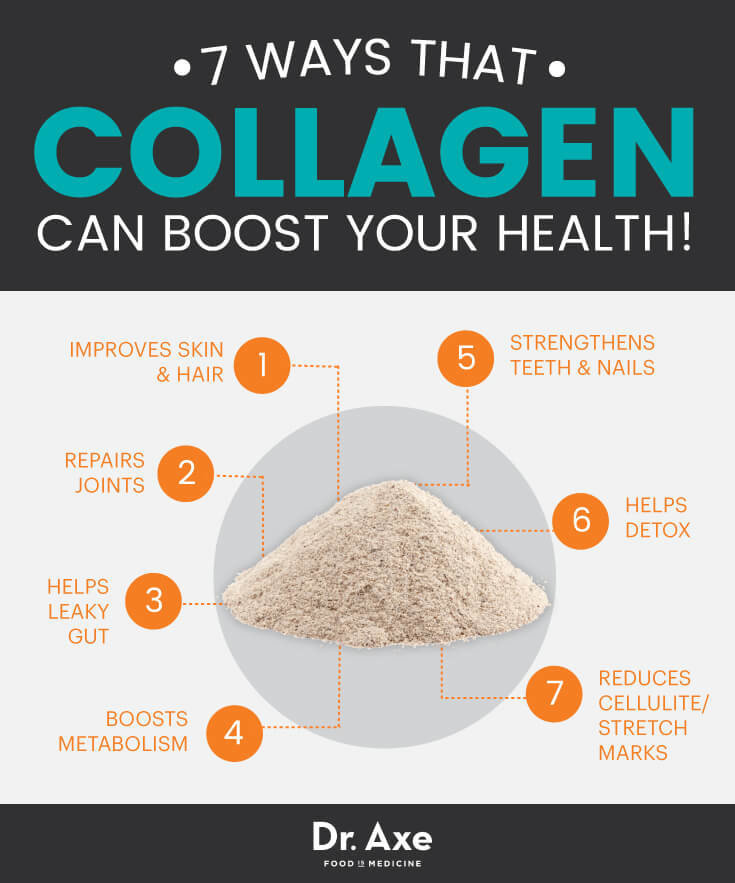
Collagen: What it is and why you need it!

collagen
You might recognize it as an ingredient in your favorite body lotion or perhaps noticed supplements in the vitamin aisle that feature it. But what is collagen, exactly ­­— and how can you incorporate it into your life?

Collagen is the most abundant protein in our bodies, especially type 1 collagen. It's found in muscles, bones, skin, blood vessels, digestive system and tendons. It's what helps give our skin strength and elasticity, along with replacing dead skin cells. When it comes to our joints and tendons, in simplest terms, it's the "glue" that helps hold the body together.

Our body's collagen production naturally begins to slow down as we age. We can thank this degenerative process for signs of aging, such as wrinkles, sagging skin and joint pains due to weaker or decreased cartilage (hello, skeleton legs). Other lifestyle factors — like eating a diet high in sugar, smoking and high amounts of sun exposure — also contribute to depleting collagen levels. It's been found that collagen-related diseases most commonly arise from a combination of either genetic defects, poor intake of collagen-rich foods, nutritional deficiencies and digestive problems affecting production (synthesis) of collagen.

Thankfully, consuming foods like bone broth can provide plenty of this vital protein, and if you're wondering what is collagen good for, I'm glad you asked.

Comment: Health benefits of collagen: Why you're probably not getting enough, and how to get more