Health & WellnessS


Brain

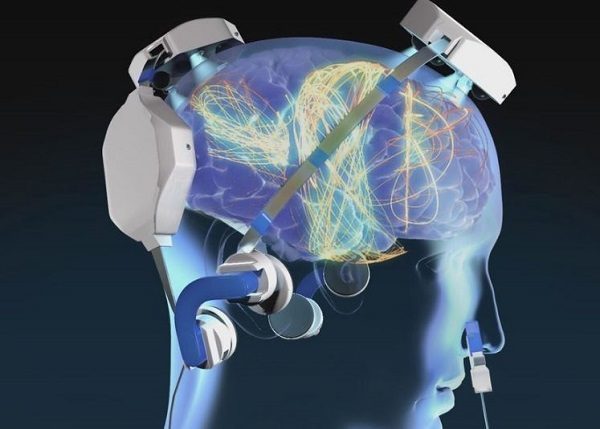
Light therapy headgear: The cutting edge in the treatment of brain diseases

light therapy
© VieLight
In December, a team of MIT neuroscientists published a remarkable study in which levels of harmful amyloid beta proteins were cut in half by exposing mice with early-stage Alzheimer's to flashing LED lights. No drugs, no surgery — just light.

For half a century, scientists have known that exposure to certain wavelengths of light can stimulate cellular function. In 1967, the Hungarian researcher Endre Mester attempted to treat cancerous tumors in rats with a low-power ruby laser. The cancer was unaffected, but the rats treated with the light waves experienced accelerated hair growth and wound healing.

Today, LEDs have replaced lasers, but researchers continue to investigate the curious health benefits of shining light on the body through a treatment method known as "photobiomodulation," or PBM.

PBM is slightly different than the technique used in the MIT study, in which researchers shined pulsed blue light into the eyes of mice in an attempt to reboot the brain's "gamma oscillation," the electrochemical frequency by which healthy neurons communicate.

Comment: Further reading:


Health

Back pain: Activity is the best form of prevention and treatment

Back pain
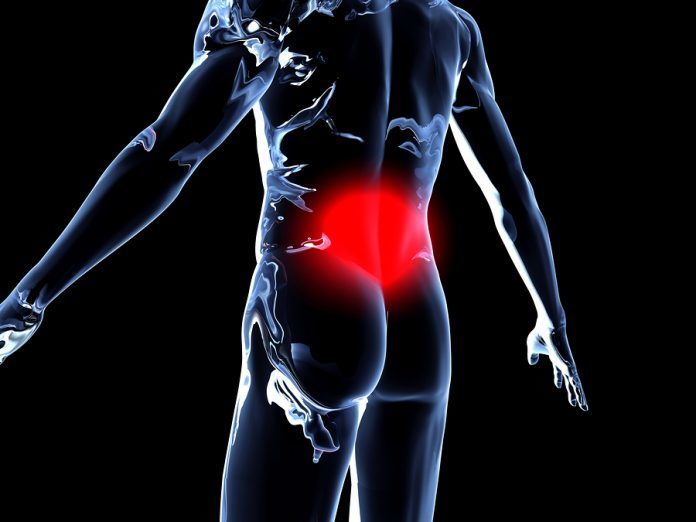
Back pain is one of the most common health complaints across the globe, and the No. 1 cause of job disability. It's also one of the most common reasons triggering opioid dependence, the side effects of which can be lethal.

In 2013, 16,000 Americans died from overdosing on prescription painkillers.1 And, if you have back pain and suffer depression or anxiety you're at particularly high risk for opioid abuse and addiction, research shows.2

While it can be quite debilitating, 75 to 80 percent of low-back pain cases resolve within 2 to 4 weeks,3even without treatment.

This is particularly true for mechanical low-back pain (LBP), which is the second most common symptom-related reason for doctor's visits in the U.S. LBP is typically preceded by some form of injury or strain, such as lifting, twisting while holding something heavy, a car collision or a fall.

Prolonged sitting is also on this list, which may explain why simply standing up more is part of the solution in many cases. Medscape4 lists a number of tests used to diagnose mechanical LBP, as well as a number of ways to manage this type of pain. This includes:
  1. Controlling inflammation
  2. Restoring range of motion
  3. Improving muscle strength and endurance
  4. Coordination training and cardiovascular reconditioning
  5. Maintaining an exercise program

Arrow Down

Indoctrinating children: BigAg corporations are promoting GMO products in schools

GMO apples, GMO promotions schools
Today, the Canadian Biotechnology Action Network, Kids Right to Know, the Council of Canadians and Earth Action PEI are alerting teachers and students about corporate public relations inside "Agriculture in the Classroom" activities, in particular a webinar on March 7 to promote a recently approved genetically modified (GM) apple. (1)

"This webinar is blatant corporate product promotion for the GM apple. It's certainly not a neutral presentation of genetic modification to students," said Lucy Sharratt of the Canadian Biotechnology Action Network.

The webinar is being promoted as part of Canadian Agriculture Literacy Month. The program "Agriculture in the Classroom" is sponsored by four of the top six largest seed and pesticide companies in the world (Syngenta, Dow AgroSciences, Dupont, and Bayer). (2) Together these four companies own 36% of the global commercial seed market and 54% of the global pesticide market.

Comment: GMO Apples: Easy to spot?
Laboratory modification turns off the enzyme that produces browning. This trait is created with tiny pieces of apple leaves, a medium containing the antibiotic kanamycin, and Agrobacterium tumefaciens - an important plant pathogen in bioengineering due to its ability to transfer a defined segment of DNA into a plant to generate a desired effect.

"All of these elements are found in nature, and carefully put together by scientists with lots of initials after their names," states the Arctic Apple website.

Grown in Washington state and New York field trials for over a decade, Arctic is probably the most researched apple in history, but the new fruit already has critics. The Cornucopia Institute warns that because Arctic tree cells are resistant to a common antibiotic, it could contribute to antibiotic resistance beyond the orchard.

In a Dec. 14 statement, the organic advocacy group urged regulators to reject the Arctic apple: "There is no proof that Arctic Apples are harmless, but there is certainly reason to suspect that they may be harmful to humans, wildlife, and the soil environment."
See also:


Health

New study adds to growing evidence linking Parkinson's disease with imbalances in gut microbiome

parkinson's disease microbiome
Does having Parkinson's cause changes in an individual's gut microbiome, or are changes in the microbiome a predictor or early warning sign of Parkinson's?
There is growing evidence showing a connection between Parkinson's disease -- a neurodegenerative condition -- and the composition of the microbiome of the gut. A new study from researchers at the University of Alabama at Birmingham shows that Parkinson's disease, and medications to treat Parkinson's, have distinct effects on the composition of the trillions of bacteria that make up the gut microbiome.

The findings were published in February in Movement Disorders, the journal of the International Parkinson and Movement Disorder Society.

"Our study showed major disruption of the normal microbiome -- the organisms in the gut -- in individuals with Parkinson's," said Haydeh Payami, Ph.D., professor in the Department of Neurology, in the UAB School of Medicine.

Payami says, at this point, researchers do not know which comes first. Does having Parkinson's cause changes in an individual's gut microbiome, or are changes in the microbiome a predictor or early warning sign of Parkinson's? What is known is that the first signs of Parkinson's often arise as gastrointestinal symptoms such as inflammation or constipation.

Comment: See also:


Post-It Note

Meet the old chemical, same as the new chemical: BPA replacement just as harmful

toxic chemicals
A compound called BPA is being phased out of all plastic packaging due to fears it may disrupt our hormones--but its replacement may be just as harmful.

BPA, or bisphenol A, is often found in disposable water bottles and babies' milk bottles and cups. Small amounts can dissolve into the food and drink inside these containers. It is a dangerous chemical linked to health concerns from digestive problems to issues with brain development. It was previously found present in around two billion products in the U.S. that were used on a daily basis.

By 2009 it had the highest production volume and use in consumer goods, with 2.2 million tons consumed globally.

Because it's the most harmful on developing brains and bodies, children and pregnant women, it started to be phased out from the manufacturing process of plastics.

This is a concern because a host of studies have shown that BPA can mimic the actions of oestrogen, binding to the same receptor in the body. Oestrogen is normally involved in breast development, regulating periods and maintaining pregnancies. Animals exposed to BPA develop abnormal reproductive systems, but it is unclear if people are exposed to high enough doses to be affected.

Comment: See also:


Beer

Absurdity reigns: The government wants to tax kombucha as an alcoholic beverage

kombucha
In 2010, the government took kombucha off the store shelves over a claim that the popular probiotic beverage contained too much alcohol. Little do consumers realize - most large kombucha companies reformulated their products to make certain no alcohol could possibly show up (less than 0.5% by volume), thus, changing the product itself. This, however, doesn't make the government happy enough (it tends to target drinks that are sought for health benefits).


A few lawmakers have introduced a bill to block further regulation.

The naturally sparkling drink is made from a tea fermented with yeast and bacteria. It contains vitamin B, beneficial bacteria, enzymes and revitalizing acids. Probiotics are not only a part of the healthy brain-gut connection, but are proven to remove harmful substances like pesticides, plastics and BPA from the body. The drink isn't for everyone - some people report feeling worse after consumption of fermented or vinegar drinks. Others claim it gives them pep, quenches thirst, aids digestion and/or even helps with allergies and arthritis. But the biggest argument for saving kombucha from the regulatory trap could be because many people are turning to the beverage as a satisfying, guilt-free alternative to alcohol and soda drinks, thus, it is becoming more popular in restaurants and at New Year's Eve parties (especially if you are the designated driver).

Yet again in 2015, the government, via the Alcohol and Tobacco Tax and Trade Bureau (TTB), sent warnings to several kombucha producers accusing them of producing beverages that allegedly exceeded the allowable alcohol limit - and once again threatened to start regulating kombucha or else pay hefty fines and face legal action.

2 + 2 = 4

Maryland issues a report on WiFi in schools which should be implemented everywhere

wifi classroom
The Maryland Children's Environmental Health and Protection Advisory Council (CEHPAC) issued an eleven-page report December 13, 2016 titled "Wifi Radiation in Schools in Maryland Final Report," which every school district in the country, if not around the globe, needs to read and implement.

On page 5 of that report, we find "What exposures are linked to WiFi technology?" Here's what's said:
"WiFi radiation" (WiFi), also referred to as radiofrequency radiation (RFR), is non-ionizing radiation typically in the microwave frequencies of approximately 900 megahertz (million cycles/second, or MHz) to approximately 5 gigahertz (1,000 million cycles per second, or GHz).

WiFi is used primarily for cellular telephones, local area networks (LANs), and other communications technologies. The primary bands used for WiFi are generally 2.4 GHz and 5GHz. [CJF: Which is similar to an operating microwave oven's range of 2.4 GHz or above!]

WiFi radiation exposures are regulated by several agencies. The U.S. Federal Communications Commission (FCC) issues radiation exposure guidelines as specific absorption rates (SARs) for fixed antennas, hand-held cellular telephones, and personal communications services (PCS) devices. 1 These guidelines were last issued by the FCC in 1996. The U.S. Occupational Safety and Health Administration (OSHA) has established occupational exposure limits for microwave radiation. 2 The U.S. Food and Drug Administration (FDA) does not have standards for cellular telephones, but can take regulatory action if these devices are shown to have adverse health impacts. 3

SOTT Logo Radio

SOTT Focus: The Health & Wellness Show: Liar, liar, pants on fire!: The truth about lying

Lies, lying, you lie
© Nicholas Noyes & Banksy
On this episode of The Health and Wellness Show we explore the topic of lies, liars and lying. Some people are compulsive liars. Others are pathological liars. But everyone lies and has done so since childhood. We lie to grease the social wheels, to protect others feelings, to make ourselves feel good, to obtain some personal benefit, and sometimes even for the heck of it.

Given that lying is part of human makeup and the social landscape, there have been numerous books written and talks given on detecting lies. However, it turns out that humans aren't so good at detecting them. History is rife with tales of people being bamboozled. On a societal level we are swimming in an ocean of lies. What are the effects of such falsity? Does lying and believing in lies affect our brains? Are there ever times when lying is necessary?

Join us for a dose of the truth about lies and stay tuned, as always, for Zoya's Pet Health segment where the topic will be lies about the dosage of the mandatory rabies vaccine.

Running Time: 01:19:50

Download: MP3


Family

Home-cooked meals eaten without digital distractions linked to less obesity

Family meal
Adults who never watch TV during family meals and eat mostly home-cooked food are much less likely than others to be obese, according to a recent U.S. study.

Past research has suggested that more frequent family meals are linked to lower obesity, but in the current study of more than 12,000 Ohio residents, eating at home, rather than out, and without the television on, was tied to lower obesity risk regardless of how often family was present.

It may be difficult for some families to eat a meal together every day, but they may be able to have healthier habits for the meals they do share, researchers conclude in the Journal of the Academy of Nutrition and Dietetics.

Health

Gut microbes and poor artery health

cardiovascular
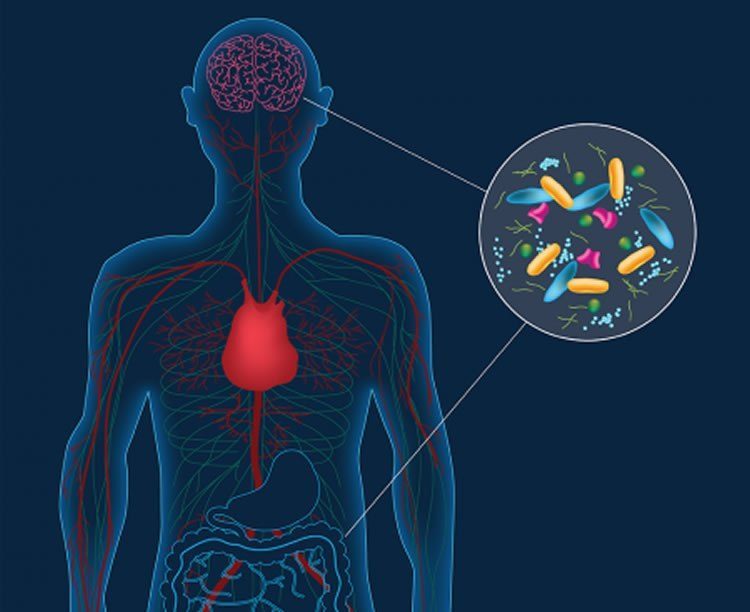
Scientific evidence that the assortment of gut microbes in humans influences different and critical aspects of health is piling up: Researchers think our microbes may influence obesity, anxiety, depression, autism, cancer and gastrointestinal diseases.

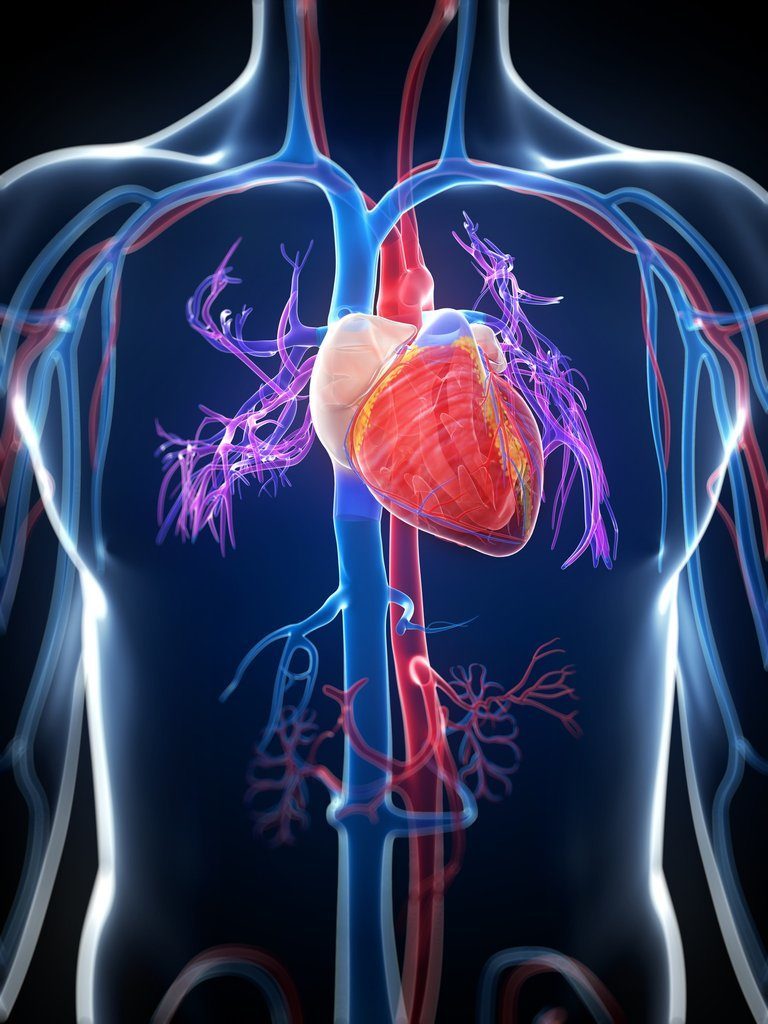
A possible addition to the list: University of Colorado Boulder researchers recently reported preliminary evidence that changes in gut microbiota in mice contribute to poor artery health with aging. This condition is worsened by eating a "Western diet" high in fat and sugars and low in fiber. Artery dysfunction is the main reason our risk of developing cardiovascular diseases increases markedly as we age, said CU Boulder Professor Douglas Seals.

The Seals lab also has preliminary results showing that regular aerobic exercise may prevent the negative effects of both aging and lifelong consumption of a Western diet on artery health in mice.

Now, thanks to a four-year $3 million grant from the National Institutes of Health, Seals, postdoctoral fellow Vienna Brunt of the Department of Integrated Physiology and their team are deep-diving into the role of microbiota on arteries in both mice and humans. Their initial experiments show that treatment with a broad-spectrum antibiotic "cocktail" that eliminates much of the existing gut microbes reverses arterial dysfunction in old mice.

Comment: Dr. Justin Sonnenburg: Is a disrupted gut microbiome at the root of modern disease?