Health & WellnessS


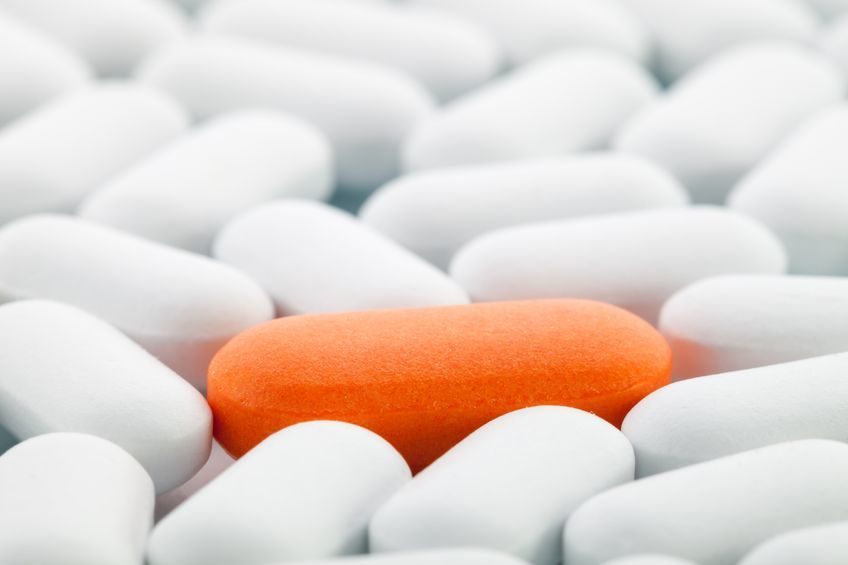
Pills

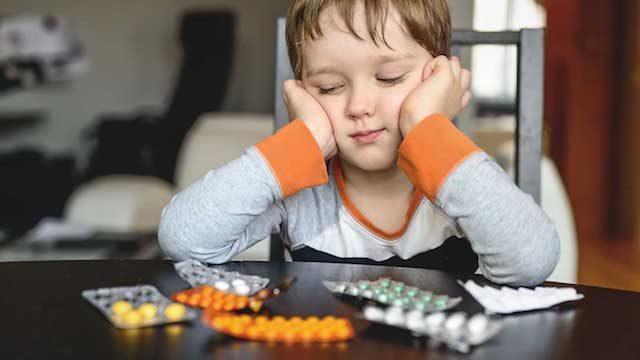
U.S. Poison Control Centers receive 32 calls a day about kids exposed to opioids

Child with prescription drugs
© healthline.com
A new study published online by Pediatrics and conducted by the Center for Injury Research and Policy and the Central Ohio Poison Center at Nationwide Children's Hospital found that there were more than 188,000 calls to US Poison Control Centers for pediatric exposure to opioids from January 2000 through December 2015, averaging 32 calls a day or one every 45 minutes.

The good news is that thanks to recognition of the problem and efforts from many organizations, the number and rate of exposures to most opioids has been steadily decreasing since 2009. One notable exception is buprenorphine, a medication primarily used to treat people for addiction to heroin and other opioids. While exposures to most other opioids have declined, pediatric buprenorphine exposures continue to climb, which is concerning given that almost half (47%) result in admission to a health care facility.

"As physicians, we need to find a balance between making sure that we are helping our patients manage their pain, and making sure we don't prescribe more or stronger medication than they need," said Gary Smith, MD, DrPH, the senior author of the study and director of the Center for Injury Research and Policy at Nationwide Children's Hospital. "While overall rates of exposure to opioids among children are going down, they are still too high. We need to continue to examine our prescription practices and to increase education to parents about safe ways to store these medications at home to keep them out of the hands of children."

Overall, most of the exposures occurred among children younger than five years of age (60%) followed by teenagers (30%). The medications leading to the most calls were hydrocodone (29%), oxycodone (18%), and codeine (17%). The reason for and the severity of the exposure varied by age.

Evil Rays

Doctor gets 18 years for helping people with plants while child-raping cop gets 3 years

Monroe Gordon Piland
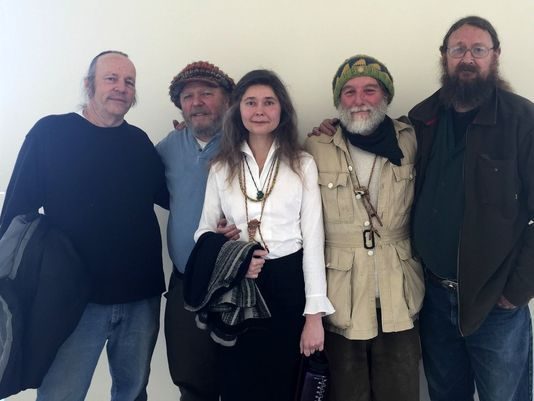
© Leah Buletti / lbuletti@citizen-times.comFormer physician Gordon Piland, second from right, stands Wednesday in the Buncombe County Courthouse with other marijuana advocates, from left, Coleman Smith, Tom McMillan, Piland's partner Dhiraja, and Scott Owen.
Monroe Gordon Piland III (69) has lived an amazing life according to some estimates. In the late 1960's early 70's, Piland served as a naval officer, during the Vietnam war. Upon his return to the states, he earned a degree in nutrition from The University of California - Berkeley, and later a medical degree from the prestigious Wake Forest University, formerly a Southern Baptist university. He completed his medical residency in Elizabeth City, NC, and was a board certified medical doctor from 1979-1984. Somewhere along the way, Piland discovered the healing properties of marijuana, a known fact which has been well established in medical journals since before the time Piland became a medical doctor. But that's also the same time Piland began to have trouble with the law. Now a victim of the war on drugs and a soon to be resident inside the Prison Industrial Complex, Piland will likely die in prison, all because he simply believes the so-called authorities do not have the god-given authority to criminalize the possession and distribution of a plant, something he equates to blasphemy.

In 1979, the doctor began cultivating marijuana on Hatteras Island to use in treating his patients. Hatteras Island is home to few residents, and in the late 1970's there were even less who called the North Carolina island their home. Piland successfully grew 111 marijuana plants, which he said was going to be used in his medical practice. The former naval officer, turned medical doctor, turned cannabis advocate, was truly one of the first medical marijuana pioneers, putting his medical practice on the line to bring healing to his NC community. But all that changed when he was charged with possession of a controlled substance.

According to the Citizen-Times, "in the early 1980s, when he was found guilty of growing 111 marijuana plants on his property on Hatteras Island and sentenced to 111 hours in jail, 111 hours of community service and a $1,110 fine," arguably a slap on the wrist in light of the peril he's now facing. "It was taken from me because I didn't recant," Piland said about the loss of his medical license.

Piland says he's currently working on a "therapy based on flower essences" and added, "I never stopped telling people what I see as the truth about their health."

Pills

Ibuprofen can stop your heart (31% increase in cardiac arrest risk)

pills
A new study reveals that a commonly consumed painkiller, wrongly considered "harmless" by millions, is probably causing thousands of deaths from cardiac arrest each year.

According to the Sudden Cardiac Arrest Foundation, sudden cardiac arrest (SCA) is a leading cause of death among adults over 40 in the United States and other countries, with about 326,200 people experiencing an out-of-hospital SCA each year in the US alone; nine of 10 victims of SCA will die.1

Suprisingly, however, the causes of SCA are still widely considered unknown. Instead, the medical profession opts for pointing the finger at vague risk factors, such as family history, previous heart problems, or elevated LDL cholesterol (a long debunked surrogate marker for heart disease].

But what if something so obvious and preventable as the consumption of NSAID drugs could be contributing to this health epidemic?

Comment: See also:


Health

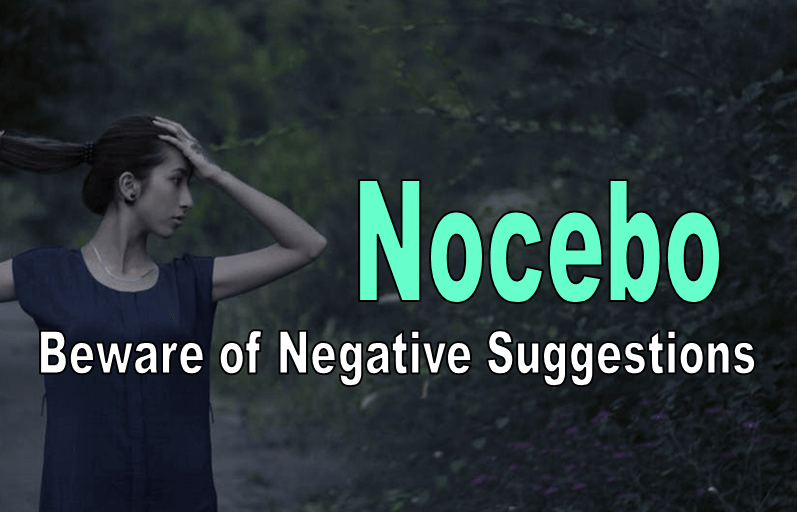
Nocebo: The evil twin of the placebo effect

nocebo effect
We all have heard of the placebo effect, but even in the medicinal circles, relatively few have heard of the nocebo effect.

In fact, this phenomenon is an evil twin of the placebo effect.

The nocebo effect refers by definition to the worsening or the induction of symptoms induced by active or sham therapies. (1)

While the placebo effect causes positive results, which normally shouldn't have any effect (e.g., sugar pill), the nocebo effect gives totally opposite result in health terms, due to the patient's negative thoughts and worst expectations.

These both effects are very powerful and regardless of whether the patient and the doctor are aware of it or not, it plays a significant part of the healing process.

Physicians Ignore Both Placebo And Nocebo

A large number of physicians and experts are surprisingly ignorant of the placebo effect, although it works in their favor. And if they don't want to hear about the placebo effect, you can imagine what would be their reaction to nocebo effect. Luckily, there are always exceptions!

Apple Green

Diseases of civilization: The case against sugar

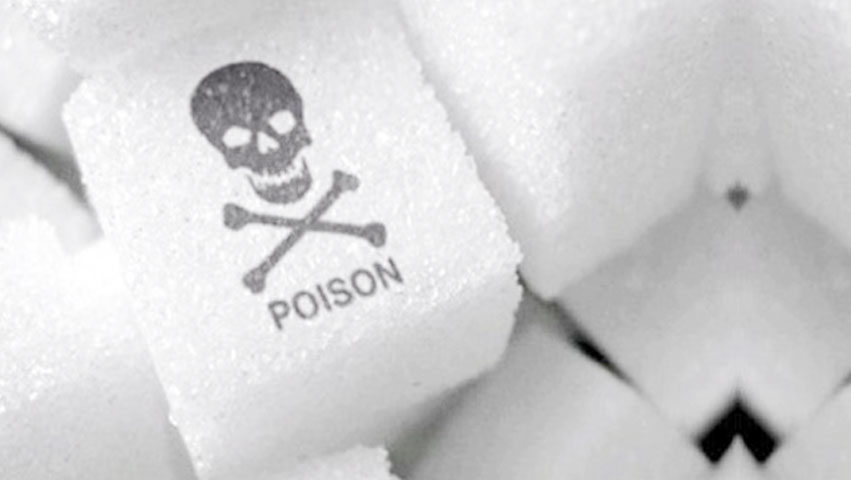
sugar poison
In 2002, Gary Taubes penned a New York Times piece that questioned the legitimacy of the presiding low-fat dogma. His article made a persuasive case for the safety—and metabolic urgency—of eating more animal fat and fewer carbs. It shifted the national conversation on healthy eating and paved the way for the rise of the ancestral health community. If the experts were that wrong about a healthy diet, what else were they getting wrong?

He expounded the arguments in the Times piece in his next two books, Good Calories, Bad Calories and Why We Get Fat. The first, which utterly demolished the conventional wisdom about saturated fat, was deeply influential for me.

In this latest book, The Case Against Sugar, Taubes lays out a convincing case for sugar as the primary cause of obesity, diabetes, and other degenerative diseases "of civilization."

Comment: There's a wealth of evidence that indicates that sugar causes major problems to human health. Whether it alone is the smoking gun in the epidemic of health problems that we're seeing today is hard to say, however it's clearly detrimental to health overall and is best avoided.


Life Preserver

6 primal suggestions for improving behavior in kids

little girl temper tantrum
Last week, Chris Kresser wrote a great article discussing the emerging—and likely causative—link between poor gut health and childhood misbehavior. He explained potential mechanisms for the association, as well as solutions to counter it.

But as any parent knows, getting a picky child to adopt your arsenal of perfect gut-supporting foods and supplements isn't always easy. Not every kid immersed in the righteous anger of the terrible twos will stop what he's doing to drink sauerkraut juice, nibble on kimchi, take resistant starch, drink kefir and bone broth.. It's certainly a major part of the problem and the solution, but are there any other dietary causes? What else can a parent try to stem the flood of tantrums?

Bacon

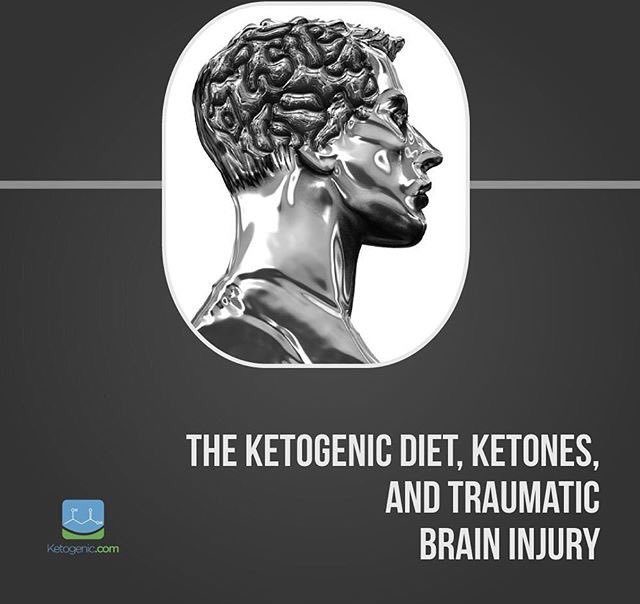
Ketosis aids in protecting against traumatic brain injury

We are starting to see a lot of focus given to concussion in sport and for good reason. However, concussions are a problem outside of sports as well and can result in long term complications. Can ketones offer a potential therapeutic option for traumatic brain injury?

keto and tbi
© Ketogenic.com
Thirteen years ago during my freshman year in college I incurred 3 concussions, and as a consequence, continuing school became extremely difficult. The concussions resulted in extreme nausea stimulated by reading or staring at a computer screen, an impaired short-term memory, and the loss of my college sports scholarships due to an inability to partake in high-intensity exercise.

Fortunately, the nausea and headaches subsided over time, but mental fatigue continued, especially in the evening. While working on my PhD, I completed a dissertation that demonstrated beneficial physiological outcomes from consuming a low-carbohydrate, ketogenic diet. This encouraged me to try a ketogenic diet and, to my surprise, my evening mental fatigue drastically reduced. After 14 months of consuming a ketogenic diet, my brain energy levels are more consistent than ever and this phenomenon has inspired me to delve into the scientific literature to understand the effects of a ketogenic diet on head injuries.

Comment: More on TBI Information on ketosis and why it's good for people in general and not just those with brain injuries:


2 + 2 = 4

True hunger vs. emotional appetite

eating feelings
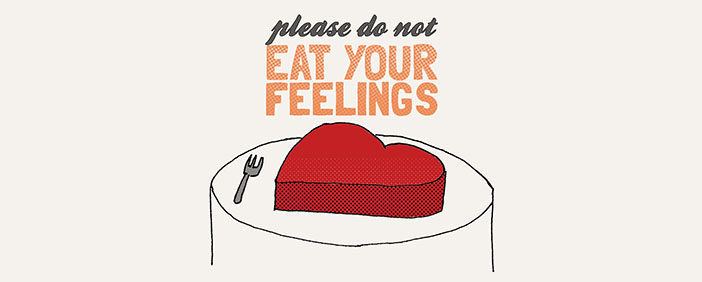
We humans are complicated creatures, and we eat for all kinds of reasons not associated with hunger: happiness, sadness, boredom, excitement, stress, exhaustion, dehydration. Some people are very focused on eating fuel for their workouts. Others (like me!) might simply enjoy the pleasurable taste of their favorite foods.

One of the great gifts of eating paleo is that it's easier to identify when I'm eating from true hunger or when I'm eating because of an emotional trigger. It's important for all of us to learn to listen to our bodies' true hunger signals, so we can say "no" when our brains want us to pander to an emotion-induced craving.

Stop

The Diet War: Medical doctors punished & silenced for giving "unapproved" high fat dietary advice

diet war
Dr. Gary Fettke, MD (left) and Professor Tim Noakes, MD (right).
Dr. Gary Fettke, MD, of Australia and Professor Tim Noakes, MD, of South Africa are both being attacked for saving lives by promoting the low carbohydrate high fat diet.

In the case of orthopedic surgeon Dr. Fettke, his offence against the Australian medical establishment was to teach his patients how to use the low carb high fat (LCHF) diet to reverse their type 2 diabetes and avoid the amputation of their feet and legs. He and his wife Belinda Fettke established two clinics to help people adopt a low carb high fat eating lifestyle. The sanctions placed on him prevent him from recommending or speaking about the LCHF diet to anyone, anywhere, and at any time for the rest of his life. [1]

Dr. Fettke specifically showed how consumption of sugar and polyunsaturated oils destroys health. He recommended the LCHF diet to address the root cause of modern diseases. The list of 146 harmful effects of sugar that Belinda Fettke has posted on the No Fructose website is a must read for anyone who is concerned about their health. [2]

In the case of Professor Emeritus Dr. Noakes, his offence against the South African medical establishment was to show that a low carb high fat diet could reverse numerous diseases. His LCHF book The Real Meal Revolution, is the all-time top selling non-fiction book in South Africa with more than 200,000 copies sold in the last two years. Affiliated with the University of Cape Town, Professor Emeritus Dr. Noakes has distinguished himself as one of the world's most famous sports scientists. His work has evoked considerable backlash from those who seek to enforce compliance with high carb low fat dietary dogma.

Comment: This is what happens when you speak out against processed carbs: Big Food vs Dr. Tim Noakes


Syringe

Our government knows new vaccines still cause Autism

vaccines

Today in the US and a growing number of other countries, the official policy is that any scientific study, regardless of its methodology, quality, author credentials, and peer-reviewed process is summarily dismissed as incomplete, irrelevant or unsupported if it finds a connection between any vaccine or combination of vaccines and autism spectrum disorder.


New Vaccines Still Cause Autism and Our Government Knows

Even when the CDC's own immunologist, Dr. William Thompson, whistle-blows and provides thousands of pages of scientific data and research proving a vaccine-autism connection, the matter is rapidly shoved under the table. In the case of Dr. Thompson's release of confidential documents to a Congressional subcommittee, the CDC intentionally concealed their evidence that African American boys under 36 months had a higher risk of autism after receiving the MMR vaccine. The documents also proved the CDC has know for a long time that neurological tics, indicating brain disturbances, were associated with thimerosal-containing vaccines, such as the influenza vaccine.

We have also known for over fifteen years, thanks to a Freedom of Information Act filing, that CDC officials, vaccine scientists on the CDC's vaccine advisory panel, the WHO and private pharmaceutical executives met secretly for two days at the Simpsonwood retreat center near Atlanta to deliberate on the Verstraeten research's findings proving thimerosal's role in the rise of autism. The meeting was held for the specific purpose to find ways to prevent the findings from reaching the public, and spin and manipulate the data to disprove a vaccine-autism connection.