Health & WellnessS


SOTT Logo Radio

SOTT Focus: The Health & Wellness Show: Keeping it Rill About the Pill

birth control pills
The birth control pill was introduced in the US in 1960 and now over 100 million women worldwide use this method of birth control. It's widely hailed as a landmark for feminism and women's reproductive freedom but is there a dark side? Despite its widespread use for nearly 60 years and fact that it is considered safe, hormonal birth control has a frighteningly long list of side effects -- some of them deadly.

On this episode of the Health and Wellness Show we discussed the history of birth control and contraception as well as the hormonal, physical, and mental havoc they can wreak (including some you wouldn't expect). Don't take that pill! There are safe and natural alternatives.

Join us for our lively discussion and stay tuned for Zoya's Pet Health Segment where she talks about detoxification for pets.

Running Time: 01:45:11

Download: MP3


Pills

Commonly prescribed psychiatric drugs kill more users than illegal drugs

mortality psychiatric drugs
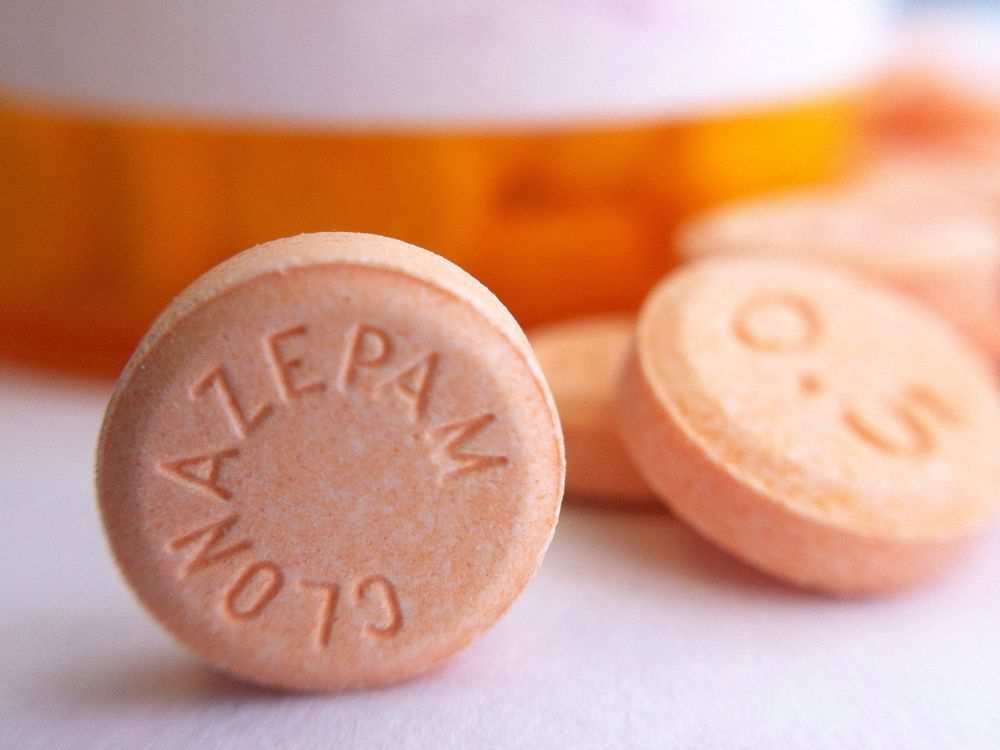
© Joe O'Connal / THE CANADIAN PRESSClonazepam, the generic form of Klonopin, and lorazepam, the generic form of Ativan, are popular sedatives used to treat anxiety and sleep disorders. They belong to a class of drugs called benzodiazepines, which are widely used across Canada. In a pair of new Vancouver-based studies, benzodiazepines have been linked with higher mortality rates than illegal drugs, such as heroin or cocaine.
Health professionals are sounding the alarm over the heightened risk of death linked to the use of psychiatric drugs, which was highlighted in a pair of Vancouver-based studies published this month.

Benzodiazepine (BZD) is a class of psychiatric medications known as "tranquillizers" which can reduce the body's drive to breathe and are used to treat anxiety, sleep disorders, seizures, and other conditions. They include commonly prescribed drugs such as Valium, Xanax, and Ativan.

The first of the two studies, which involved researchers from the B.C. Centre for Excellence in HIV/AIDS (BCCfE) and the University of B.C., looked at the impact of BZD use on mortality rates and established that use of BZDs was linked to a higher risk of death than illegal drugs.

Comment: See also:


Health

Why screening and synthetic drugs fail to relieve symptoms of poor thyroid function

thyroid cancer
Your thyroid gland, located in the front of your neck, influences almost every cell in your body. Thyroid hormones regulate your metabolism, and are required for growth and development in children and nearly every physiological process in your body.

When your thyroid levels are unbalanced, it can spell trouble for your overall health and wellness. Evidence suggests nearly 60 percent of people with suboptimal thyroid function are unaware of their condition.1 While prevalent, it is often easily treatable and may reverse symptoms of other health conditions.

Poor thyroid function is linked to health conditions such as fibromyalgia, irritable bowel syndrome, eczema, gum disease and autoimmune disorders. Symptoms of low function and the health conditions affected by low levels are varied, as the hormone is used throughout your body.

Women are five to eight times more likely than men to have low thyroid function and 1 in 8 women will develop a thyroid disorder in her lifetime.2 Understanding the basics of how your thyroid functions and what may cause a dysfunction is important to your overall health.


Health

After promising tests, researchers pin their hopes on methylene blue to treat aging skin

hand in water
An antioxidant called methylene blue could slow or reverse several well-known signs of aging of human skin, new work from the University of Maryland suggests.

The researchers tested methylene blue, a common, inexpensive and safe chemical, for four weeks in skin cells from healthy middle-aged donors, as well as those diagnosed with progeria — a rare genetic disease that mimics the normal aging process at an accelerated rate. In addition to methylene blue, the researchers also tested three other known antioxidants: N-Acetyl-L-Cysteine (NAC), MitoQ and MitoTEMPO (mTEM).
"Our work suggests that methylene blue could be a powerful antioxidant for use in skin care products. The effects we are seeing are not temporary. Methylene blue appears to make fundamental, long-term changes to skin cells,"
said Kan Cao, senior author on the study and an associate professor of cell biology and molecular genetics at UMD.

Bullseye

Sweden to ban glyphosate...and vinegar?

vinegar in sweden
Sweden may be going after the home use of weedkillers containing glyphosate due to fears of its toxicity levels. Strangely, some of the country's authorities are taking this opportunity to ban the use of a less toxic weedkiller - vinegar.

Claire Robinson of GM Watch writes that in a new report to the Swedish Government, it will only be possible for private users to use products containing low-risk substances. According to the preliminary assessment, glyphosate is "not expected to be included among the low-risk substances" which means it could be banned for home use in a few years' time. [Note: these bans are for the home use of chemicals, and probably don't apply to commercial ag use.]

However, acetic acid, the main ingredient in vinegar also made the list. When Robinson asked Mr. Peter Bergkvist, principal policy advisor at the Swedish Chemicals Agency (known as Kemi) why vinegar was also slated for a ban, he replied this was:
...due to the hazard properties of the substance and the fact that it has been classified as a skin corrosive in category 1A in its pure form.

Health

Why managing iron levels is crucial to your health

iron tablets
© alinita / Fotolia
Iron is essential for human life, as it:1
  • Forms hemoglobin (the protein in red blood cells), as iron binds to oxygen and provides it to tissues for their metabolic needs
  • Is a key component of various proteins, as well as enzymes that catalyze cellular oxidation reactions
  • Helps regulate cell growth and differentiation
  • Helps maintain your brain function, metabolism and endocrine function
  • Is involved in energy production and immune function
Having either too much or too little iron can have serious health consequences and, while iron-deficiency anemia is commonly checked for, many doctors are still seriously misinformed about the dangers of iron overload, which is actually a far more common problem. In fact, most men and postmenopausal women are at risk for iron overload due to inefficient iron excretion, since they do not bleed on a regular basis and blood loss is the primary way to lower excess iron, as the body has no active excretion mechanisms.

There's also an inherited disease, hemochromatosis, which causes your body to accumulate excessive and dangerously damaging levels of iron. If left untreated, it can damage your organs and contribute to cancer, heart disease, diabetes, neurodegenerative diseases and many other health problems.

The good news is iron overload is easy and inexpensive to treat. By monitoring your serum ferritin and/or GGT levels, avoiding iron supplements and donating blood on a regular basis, you can avoid serious health problems. In a recent podcast, Chris Masterjohn, Ph.D., delves into the biological imperatives of iron, the effects of low and high iron, and how to address both of those issues. You can find that episode on Masterjohn's website.2

Comment:


Info

'Game-changer for autism': Study finds 100-year-old drug reverses symptoms

drug Suramin could be used to alleviate the symptoms of autism
© Veri Sanovri / Global Look Press
A drug discovered more than 100 years ago may hold the key to combating autism symptoms, according to a study.

Researcher Dr. Robert Naviaux of the San Diego School of Medicine gave suramin, a drug first developed in 1916, to 10 autistic boys between the ages of five and 14, and noted transformative results.

"After the single dose, it was almost like a roadblock had been released," he said. "If the future studies show that there's continued health benefits, this could be a game-changer for families with autism."

Comment: Maybe if we get rid of the cause of autism: Doctor apologizes for harm she may have caused with vaccines


Syringe

A shocking new low in the vaccine debate

boston herald vaccine quote
The vaccine industry, public health organizations and many media outlets parroting the pre-established talking points insist that the science on vaccines is settled: Vaccines are safe and the childhood vaccination schedule is scientifically sound. End of story. According to some, the matter is so settled that anyone questioning the data or pointing out inconsistencies and/or research showing harm should be executed as punishment for "lying."

This despicable call for violence came from editorial staff at the Boston Herald. The whole nasty mess started with a measles outbreak in Minnesota, the blame for which has been placed on a large Somali community where vaccination rates have declined in recent years due to parents' concerns about vaccine safety.


Measles Outbreak Blamed on Unvaccinated Somalis

According to reports, of the 51 documented measles cases in Minnesota, 47 were unvaccinated; 46 were Somali. In all, only 42 percent of the Somali population in Minnesota received the measles-mumps-rubella (MMR) vaccine in 2014, down from 87 percent in 2005 and 2006.

The reason for the decline in MMR vaccination is easy enough to understand. Research has demonstrated that Americans of Somali descent have nearly double the rate of autism than the general public, and personal experiences with their children's health deteriorating after vaccination have raised serious questions and suspicions in the Somali community that the MMR vaccine might play a role. As reported by Inquisitr:1

Beaker

Scientists investigate pigs in connection with Congo's new Ebola outbreak

Pigs implicated in Ebola virus
It might all just be a big coincidence. But scientists and public health officials are investigating whether pigs are somehow involved in the Ebola outbreak now underway in a remote region of the Democratic Republic of the Congo (DRC). If so, it would add a new—but not totally unexpected—chapter to the virus's turbulent history.

Scientists' interest stems from two data points. An epidemiological investigation has indicated that the first person to fall sick was a hunter who had come into contact with a wild boar carcass. And 84 pigs have recently died in eight villages in Nambwa, the epicenter of the current outbreak, according to a report issued yesterday by the DRC's Ministry of Health. Researchers have taken samples from those animals, according to the report, which says a "protocol for investigation of unusual deaths reported in pigs is under development."

"I'm doubtful that the pigs actually carry Ebola, but we have to test them," says epidemiologist Fabian Leendertz of the Robert Koch Institute in Berlin, who has been consulted by the Institute of National Biomedical Research in Kinshasa about the potential link. Indeed, pigs in the DRC frequently die from other pathogens; the country often has outbreaks of African swine fever, which has a very high mortality rate. "Ebola is not even the prime suspect," says Anne Rimoin, an epidemiologist from the University of California, Los Angeles, who has worked in the DRC for 15 years and is there now.

Water

The media ignores America's drinking water crisis

poison water tower
America has a looming water health crisis and no one seems interested in talking about it.

Over the last year many Americans have likely heard of the lead poisoning affecting the drinking water of Flint, Michigan. We have heard the horror stories of children being sickened due to the failure of Flint's bureaucracies and failing infrastructure. However, a new report from the Natural Resources Defense Council reveals that Americans in every state are suffering because of failing infrastructure, under-reporting of violations, and lax enforcement of drinking water standards. The NRDC is an environmental advocacy group based in New York City.

The report, "Threats on Tap: Widespread Violations Highlight Need for Investment in Water Infrastructure and Protections," found close to 80,000 violations of drinking water standards in every state in the U.S. "Very small systems found in rural or sparsely populated areas account for more than half of all health-based violations, and nearly 70 percent of all violations," the NRDC writes.

Rural towns with smaller water systems are often unable to cover the financial and technological burden required to upgrade infrastructure which could reduce the amount of contaminants in the water.