Health & WellnessS


Syringe

The scary ingredients in childhood vaccines

vaccine fetal cells
Aside from the looming threat of the loss of medical freedom in regards to vaccination, what should truly frighten parents is the fact that there has never been a single safety study conducted on the inter-relationship between multiple vaccines, nor has there ever been a single safety study as far as the combination of ingredients in the vaccines themselves.

The medical industry, pediatricians, and unsuspecting parents are blindly trusting the CDC's assertions of safety. And while we are discussing frightening matters, it should also be noted that neither the CDC nor the FDA can prove the safety of the current vaccine schedule. For further information, check out this link.

Mandatory vaccination laws are already a reality in states like California and Mississippi, and it has never been more dire for parents to understand the shocking ingredients in those vaccine vials. As advocates for our children, it is our job to be fully educated on matters that affect their health.

After all, every parent of a vaccine-injured child was once pro-vaccination.

Comment: For more on these foul ingredients being injected into people all over the world see:


Dominoes

For the first time, lawsuit forces US court to review fluoride toxicity, could end fluoridation

fluoride
© The Free Thought Project
After a lead scientist at the EPA published damning information exposing the neurotoxicity of fluoride, an unprecedented lawsuit could now end fluoridation.

Despite the overwhelming mass of scientific literature and studies showing the harmful effects of ingesting fluoride, those who question it or advocate for the cessation of fluoridated water are labeled as kooks, conspiracy theorists, and shouted down by the mainstream. Even when the mainstream admits it — as in the case of the highly publicized Harvard Study — people remain in denial about this most horrific practice of mass medication without consent using the poisonous byproduct of fertilizer production.

However, all that appears to be changing. For the first time in US history, the courts will hear the evidence on the neurotoxicity of fluoridated water which could out an end to this practice once and for all.

Monkey Wrench

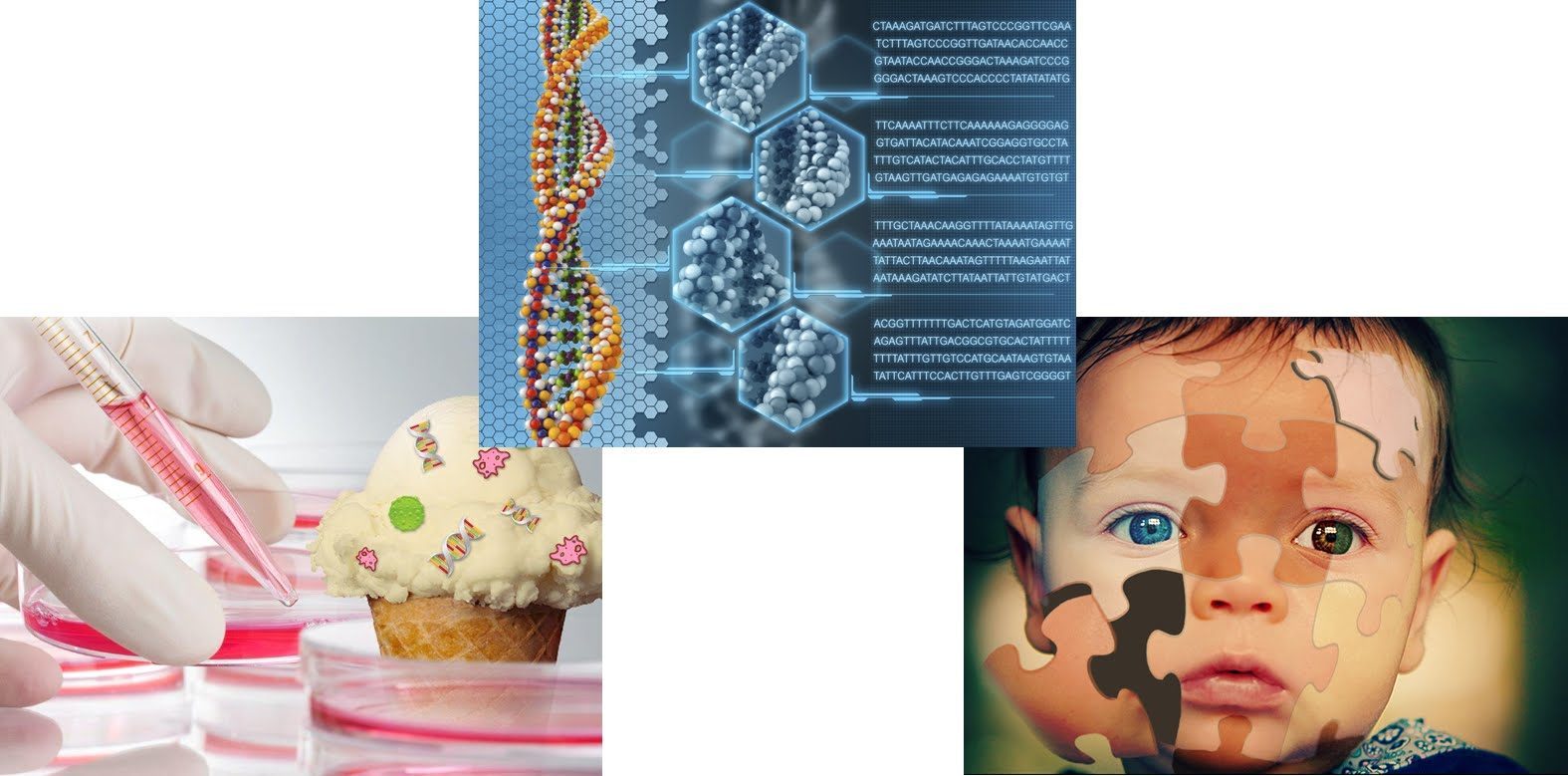
GMOs 2.0: Next generation of GMOs escapes regulation

GMOs 2.0: Reengineering Life, from Plants to People
Twenty years ago, proponents of genetic engineering promised that GMO foods would increase yields, reduce pesticides, produce nutritious foods and help feed the world. Today, those promises have fallen far short as the majority of GMO crops are engineered to withstand sprays of Roundup herbicide, which is increasingly documented as a risk to human health.

Now, new genetic engineering technologies such as synthetic biology and gene editing are being hailed with the same promises of revolutionizing food production, medicine, fuels, textiles and other areas.

But a closer look at this next generation or "GMOs 2.0" technologies reveals possibly even greater risks than existing GMO technology with possible human health risks and negative impacts on farming communities worldwide, among other unintended consequences. And while products developed using current genetic engineering methods are regulated by the U.S. government, GMOs 2.0 products are entering the market with few or no regulations.

Info

Procter & Gamble: How vegetable oils replaced animal fats in the American diet

lard
In this excerpt from The Happiness Diet, discover how Procter & Gamble convinced people to forgo butter and lard for cheap, factory-made oils loaded with trans fat.

Before highways and before railroads, America conducted her commerce via steamship over water through a system of rivers, canals, and lakes. In the 1800s, Cincinnati was the heart of the developed United States. At the time it was known to the world as Porkopolis. That's because not so long ago, the most widely consumed meat in this nation was swine.

This was before refrigeration. The biggest enemy of 19th-century butchers was spoilage. Eating cows didn't make a whole lot of sense: Distributing the meat of a freshly killed 1,500-pound animal before it went bad was difficult without roads and temperature-controlled trains. But pigs are fatty, which makes them excellent for salt curing because they don't lose flavor.

Coffee

Coffee lovers take note: The brew protects against liver cancer

coffee
Some say the most-consumed beverage in the world is tea, and others maintain it's coffee. Whichever is true from year to year, it's a fact that an estimated 3.5 billion cups of coffee are downed by bean aficionados on a daily basis, according to the European Coffee Federation.1

Between the leaf and the bean, it's well-known that an amazing array of health benefits are delivered, but new information published in BMJ Open2 says drinking a single cup of coffee every day cuts your risk of developing a serious liver cancer called hepatocellular, or HCC, by a fifth.

According to CBS Philly, HCC is the second-most prevalent cause of death from cancer in the world.3 The 19 percent lowered risk of HCC poses a major advantage from just one cup, but if you drink more than that in a day, your risk for liver cancer is even lower, the research team reported. In fact, five cups of coffee a day is associated with a 50 percent drop in your risk of this type of cancer. Medical News Today reports:
"The researchers came to their conclusion by conducting a systematic review and meta-analysis of more than 26 observational studies, which included information on more than 2.25 million adults. The team looked at the coffee intake of the participants — including how many cups they consumed each day, as well as whether the coffee was caffeinated or decaffeinated — and whether or not this might be associated with the risk of developing HCC."4

Comment: For a more direct way to benefit the liver with coffee see: Coffee enema - a viable health solution


Donut

Obesity crisis: Almost one-third of the world's population is now overweight

obesity
Nearly a third of the world's population is overweight, leading to a health crisis and an outbreak of obesity-related diseases, according to a new study.

The study, published in the New England Journal of Medicine, examined obesity-related health issues for a period of 25 years between 1990 and 2015. It found that in 2015, 2.2 billion people, or 30 percent of the world's population, could be described as overweight with a body mass index (BMI) higher than 30. A BMI score over 25 is overweight, while anything over 30 is obese and over 40 is morbidly obese. This figure includes nearly 108 million children and over 600 million adults, the latter of which suffered over 60 percent of the obesity-related deaths. The overall global prevalence of obesity was 5 percent among children and 12.0 percent among adults. This is a figure that has doubled since 1980.

In 2015, some four million people died of obesity-related diseases, including cardiovascular disease, kidney disease and many cancers in 2015, which is 28 percent higher than it was in 1990.


Comment: First, the report should say that an estimated 4 million people died. Second, note that most of the "obesity-related" diseases mentioned - cardiovascular disease, various cancers - are the same diseases which are supposedly "smoking-related" diseases.

So, which is it? Or are they in fact a range of diseases that humans suffer from, for which there are numerous and multiple risk factors, which can be conveniently ascribed to whichever public health crusade the Nanny State Nazis are waging at the moment.

Were this a campaign against alcohol, we can be sure these same disease would appear, also labeled "alcohol-related" diseases.


Comment: The obesity epidemic


Health

Optimize your chocolate consumption for heart health

dark chocolate
This may cause many a heart to leap, but chocolate, once again, has been placed in the "beneficial for your health" category. This time, quite fittingly, it's your heart that may benefit from eating this most decadent of treats. Through the ages, benefits such as increased energy as well as libido have been attributed to chocolate, which has also been considered good for diarrhea and migraines, and treating syphilis and even cancer.

Some of these are even true; antioxidant catechins found in dark chocolate were found to be the active ingredient responsible for lowering lung cancer rates,1 as well as rectal cancer.2 According to a recent study in Denmark,3 people who consume cocoa one to three times a month were about 10 percent less likely to be diagnosed with atrial fibrillation, or AFib, the medical term for irregular heart rhythm, compared to people who ate chocolate less than once a month.

Elizabeth Mostofsky, an epidemiologist at the Harvard T.H. Chan School of Public Health, and a team of researchers analyzed the data and found "a significant association between eating chocolate and a lower risk of AF — suggesting that even small amounts of cocoa consumption can have a positive health impact."4

The team's new research, published in the journal BMJ Heart,5 showed a reduced risk of AFib for women who ate one serving of chocolate per week, while the biggest reduction for men was associated with eating two to six servings per week.

Previous studies in 20106 and 2015, known as the Physicians' Health Study, had drawn no such conclusions, and the latter review involved 33,000 Americans.7 Eating cocoa and foods containing it may be heart beneficial due to the high number of antioxidant, inflammation-fighting and blood vessel-relaxing flavanols cocoa contains, the researchers concluded.


Comment: For more on the benefits of chocolate see:
Chocolate: Candy or Cutting-Edge Medicine?
New Evidence That Chocolate Lowers Stroke Risk


Health

Glucose, fructose or sucrose? They're all linked to adverse health effects

sodas
© DocChewbacca/Flickr
Our recent article published in the Medical Journal of Australia found that Australian and European soft drinks contained higher concentrations of glucose, and less fructose, than soft drinks in the United States. The total glucose concentration of Australian soft drinks was on average 22% higher than in US formulations.

We compared the composition of sugars in four popular, globally marketed brands - Coca-Cola, Fanta, Sprite and Pepsi - using samples from Australia, Europe and the US. While the total sugar concentration did not differ significantly between brands or geographical location, there were differences between countries in the concentrations of particular sugars, even when drinks were marketed under the same trade name.

Whether these differences have distinct effects on long-term health is currently unclear. Certainly, over-consumption of either glucose or fructose will contribute to weight gain, which is associated with a host of health conditions such as type 2 diabetes and heart disease. And because the body metabolises glucose and fructose in different ways, their effects may differ.

Comment: See also:


Bacon n Eggs

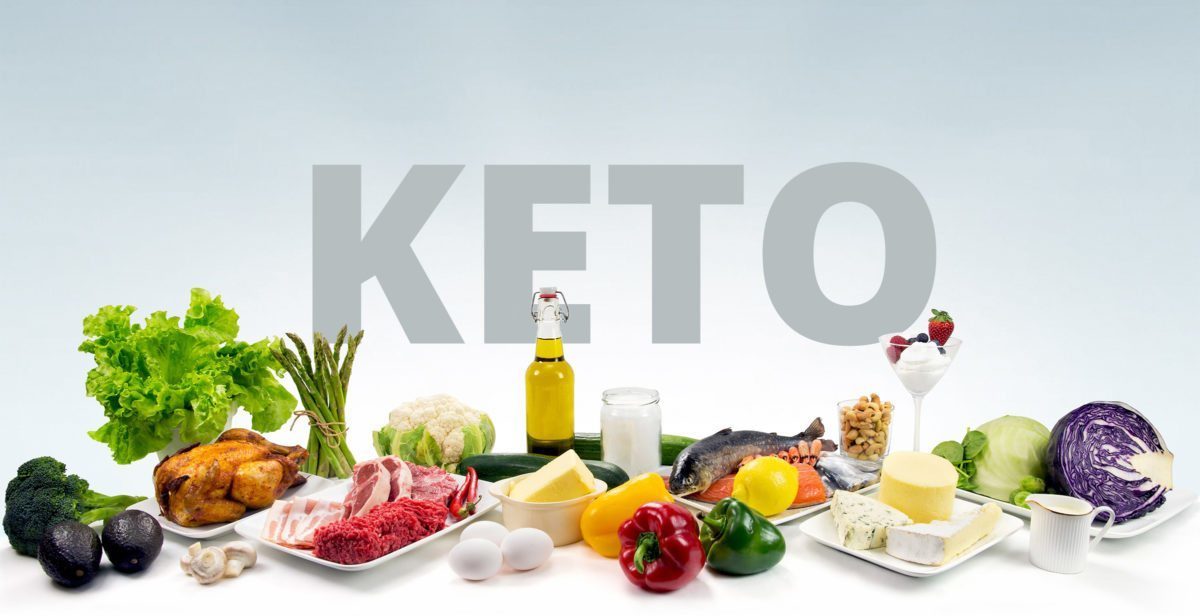
The definitive guide to going Keto

foods ketogenic diet
I use my Los Angeles surroundings as a barometer for changes in the mainstream approach to health, and it holds up quite well. Silicon Valley can claim to be the cradle of technology, but L.A. is definitely the cradle of diet and fitness trends; and the latest is most definitely keto. At the local cafe where every species of Malibu fitness enthusiast gathers to gossip and fuel up, I'm seeing fewer gels and energy bars, and way more butter coffees and discarded packets of the new powdered ketone supplement products.

Sure enough, keto is entering into mainstream health consciousness everywhere. Google searches for "ketogenic diet" are at an all-time high. The stream of keto-related email queries and comments I receive has seen a major uptick. And early this year, a major publisher approached me with a keto book proposal, which I accepted. I dove headlong into a total immersion/participatory journalism experience where I walked my talk, and pricked my finger for blood tests enough times to get a little scar tissue going, for the past several months. The book is called The Keto Reset Diet and it's coming out October 3rd. This is a comprehensive presentation to educate you on the science and benefits of ketone burning and to give you step-by-step guidance to go keto the right away, avoiding the common setbacks that happen when many adopt an ill-advised approach to something as delicate and rigorous as nutritional ketosis. You can pre-order a copy from major retailers right now. We are also filming a comprehensive online multimedia educational course to give you a guided immersion experience that will be available in 2018.

Comment: For more information on the Ketogenic diet, see:


Water

Contamination crisis: PFC pollution of tap water continues to expand with no end in sight

PFC water contamination
The known extent of the contamination of U.S. communities with PFCs - highly fluorinated toxic chemicals, also known as PFASs,[*] that have been linked to cancer, thyroid disease, weakened immunity and other health problems - continues to expand with no end in sight. New research from EWG and Northeastern University in Boston details PFC pollution in tap water supplies for 15 million Americans in 27 states and from more than four dozen industrial and military sources from Maine to California.

EWG and the Social Science Environmental Health Research Institute at Northeastern collaborated to produce an interactive map that combines federal drinking water data and information on all publicly documented cases of PFAS pollution from manufacturing plants, military air bases, civilian airports and fire training sites.

On the map, blue circles show public water systems where PFCs were detected in public drinking water systems - the larger the circle, the more people served by the system. Clicking on a circle brings up detailed information, including contamination levels. Red dots indicate a contamination site in Northeastern's PFAS Contamination Site Tracker. Clicking on a dot brings up detailed information and links to more information and resources from the Institute.

Comment: Erin Brockovich on the future of water - distilling toxins for truth