Health & WellnessS


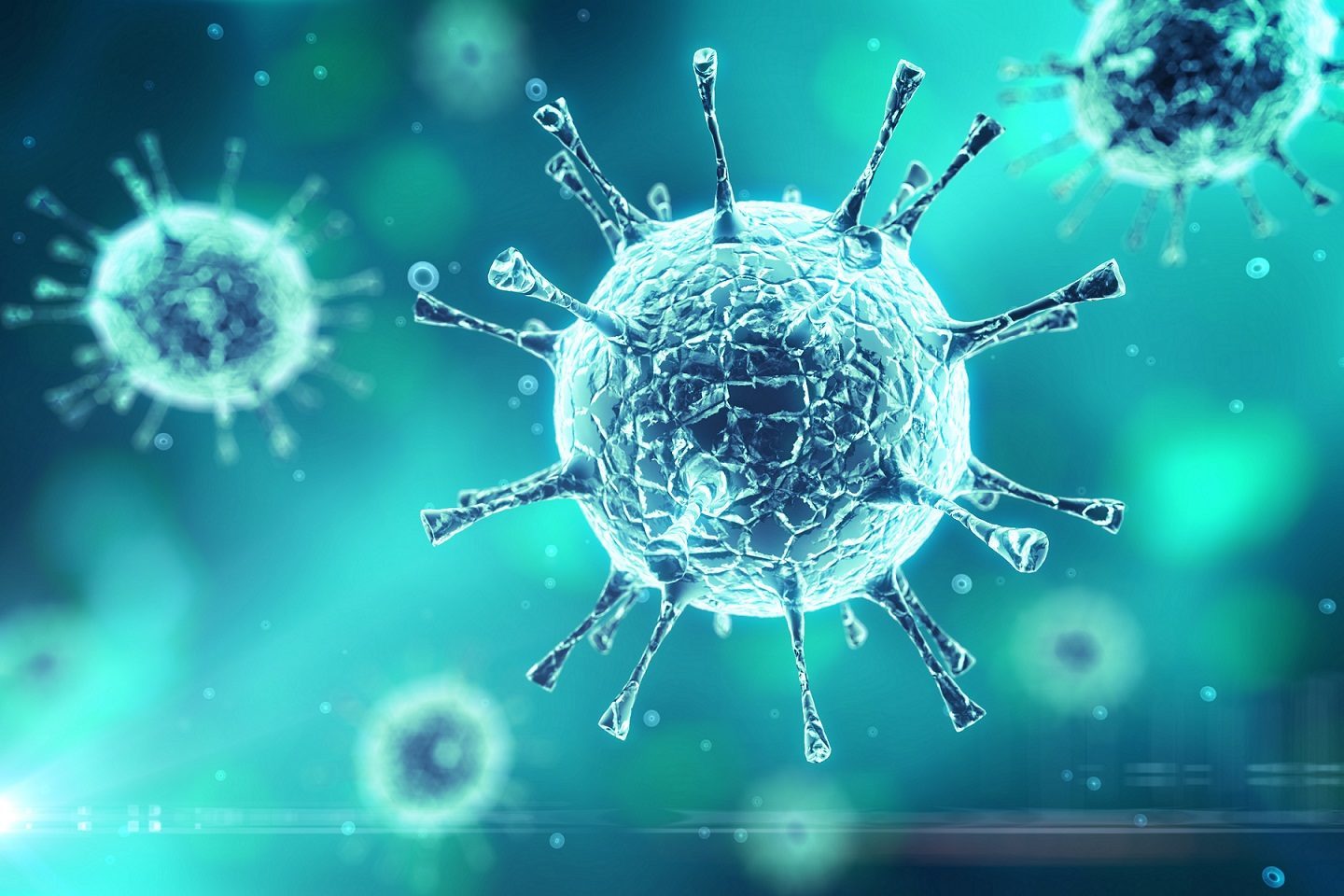
Microscope 1

Symbionts - Viruses are being redefined as more than just pathogens

viruses
Many viruses can be either beneficial (the symbionts) or, at least, harmless. The harmless ones are sometimes referred to as passenger viruses.
One of the best estimates we have for the average total number of cells in the human body is 37.2 trillion.1,2,3 It sounds like a lot, until you consider that the average number of microbes in an adult human is estimated at 20 times the number of cells in the body.4 That would equal approximately 744 trillion microorganisms. In other words, we humans are vastly more microbial than cellular in nature.4 Each of us is, essentially, one giant germ.

Some scientists have estimated the average number of bacteria in the human body at about 40 trillion,5,6 or roughly the same as the number of cells. They have also estimated that there are about 10 times more viruses than bacteria in the body. That would equal approximately 400 trillion viruses. The remaining microbes in the body would include fungi, protozoa, helminths ( parasitic worms), prions, and protists (amoeba, plasmodium, etc.).7,8

Apple Green

Women who avoid meat during pregnancy dramatically raise risk of their children becoming substance abusers

Pregnant woman
Women who avoid meat during pregnancy dramatically raise the risk of their children becoming hooked on drugs and alcohol, according to new research.

A study from the National Institute on Alcohol Abuse and Alcoholism found that adolescents aged 15 whose mothers refrained from eating meat while they were pregnant were more prone to substance abuse.

Specifically, they were almost twice as likely to indulge in underage drinking and smoking, and nearly three times as likely to use cannabis.

While recent health trends reflect larger numbers of people converting to vegetarianism, researchers are warning of the adverse affects of the lifestyle that could harm children.

Comment: Animal fat is good for your brain!


SOTT Logo Radio

SOTT Focus: The Health & Wellness Show: Chemtrails, Flat Earthers, and Mental Disintegration: What's wrong with these people?

Image
Increasingly persistent airplane condensation trails, which CorpGov does not want people to notice
Today on the health and wellness show we will discuss conspiracy theories that hijack the mind and lead to mass confusion and disinformation. There are plenty of conspiracy theories that compete for the greatest lack of credibility, rationality and substance. Chemtrails and Flat earth theories are two that come up regularly in the alternative media.

What happens when attention is drawn away from real problems? How is the public emotionally sidetracked - ignoring underlying problems that really need addressing? The question is what are people thinking or rather are they thinking at all?

Stay tuned for Zoya's Pet Health Segment, for a fascinating talk on Skinwalker Ranch:Mysterious animals and creatures, cattle mutilations, and much more!

Running Time: 01:40:33

Download: MP3


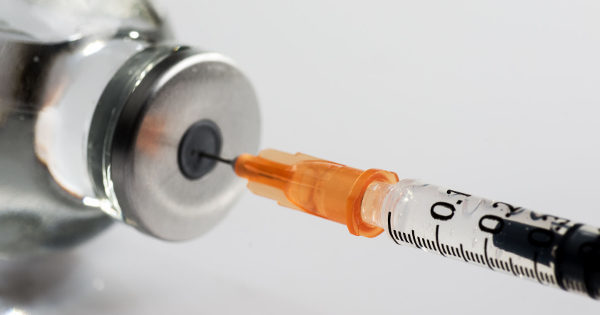
Syringe

Flu vaccine-miscarriage study sparks ridiculous spin

flu vaccine

The mainstream media is doing their best to minimize a devastating study showing a high correlation (7.7-fold) between flu vaccines and miscarriages. A review of the scientific literature shows a body of evidence that supports the new study's conclusions. Why can't we all just deal with the facts?


WASHINGTON, D.C. - Lena Sun, reporter for the Washington Post, had an unenviable task: cover a newly released study implicating the flu vaccine in spontaneous abortions (aka, miscarriages). The study, released today in the highly respected and prestigious journal Vaccine, has a title that will likely increase the stress level of pregnant women trying to figure out how to keep their baby safe:

Association of spontaneous abortion with receipt of inactivated influenza vaccine containing H1N1 pdm09 in 2010-11 and 2011-12

Like all good journalists working in the mainstream media, Ms. Sun's challenge was to report on a potentially catastrophic new study that might hurt the primary source of advertising revenue for her employer: the pharmaceutical industry. And while I've seen a number of different ways for reporters to try and minimize the implications of damaging studies, Ms. Sun's headline may just take the cake:

Comment: Shocking Stories From Pregnant Women Who Have Had Miscarriages After Taking The Swine Flu Vaccine


Family

Low birth weight preemies more susceptible to later mental health issues than infants born at normal birth weight - Study

premature infant, pre-term birth
Decreased exposure to bullying and family problems during childhood and adolescence could help reduce adult mental illness in extremely low birth weight preemies, according to a new study from McMaster University.

Furthermore, early mental health support for extremely low birth weight survivors who are born at 2.2 pounds or less, and their parents could also prove beneficial.

The study, published today in The Journal of Child Psychology and Psychiatry, looked at the impact of mental health risk factors on extremely low birth weight preemies during childhood and adolescence.

"In terms of major stresses in childhood and adolescence, preterm survivors appear to be impacted more than those born at normal birth weight," said Ryan J. Van Lieshout, assistant professor of psychiatry and behavioural neurosciences at McMaster University and the Albert Einstein/Irving Zucker Chair in Neuroscience.

"If we can find meaningful interventions for extremely low birth weight survivors and their parents, we can improve the lives of preterm survivors and potentially prevent the development of depression and anxiety in adulthood."

Comment: The brain, interrupted

Pre-term births are extremely common. According to WHO statistics from 2012, more than one in 10 babies are born prematurely each year. Other studies have also shown that many pre-term babies have neuro-developmental problems, and the effects seem to continue into adulthood with many having moderate to severe cognitive deficits, short attention spans, and as a group they tend to underachieve academically and career-wise.

See also: Infants born prematurely show less interest in others, are at more risk for autism


Info

FDA: 'Love' is not a real ingredient

Nashoba bakery granola
© Facebook
A Massachusetts bakery's granola may be made with love, but federal officials say it shouldn't be listed as an ingredient on the package.

Nashoba Brook Bakery, in Concord, was taken to task by the U.S. Food and Drug Administration for listing "love" as an ingredient on its Nashoba Granola label. In a letter posted this week on the FDA website, the agency said federal regulations require that ingredients "must be listed by their common or usual name."

"'Love' is not a common or usual name of an ingredient, and is considered to be intervening material because it is not part of the common or usual name of the ingredient," the FDA wrote.

The bakery's CEO, John Gates, told The Associated Press on Wednesday that the bakery will be "fully cooperative" with the FDA. But he also said the company has gotten a positive reaction from people since news of the letter began to circulate.

Attention

About 40 percent of US cancers associated with excess weight

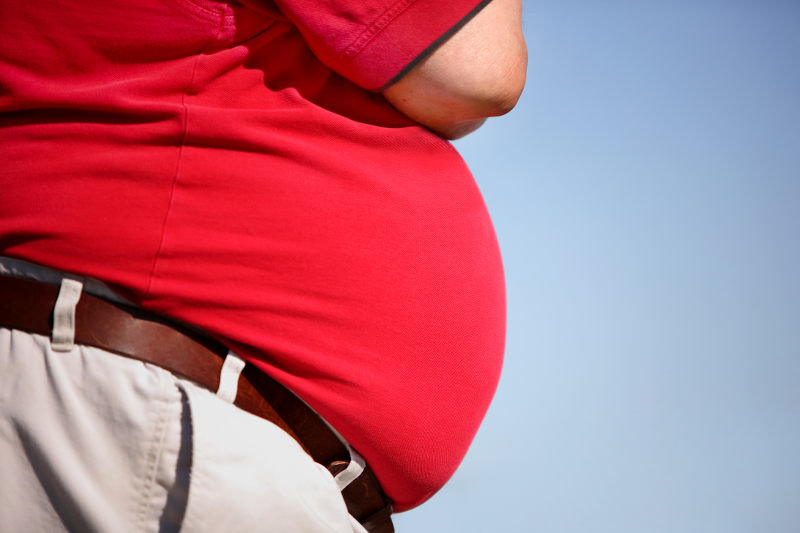
Obese man
About 40 percent of all cancers in the United States -- more than 630,000 in all -- are associated with excess weight, health officials said Tuesday, urging a renewed focus on prevention.

In a nation where 71 percent of adults are either overweight or obese, the findings by the US Centers for Disease Control and Prevention "are a cause for concern," said the agency's director Brenda Fitzgerald.

"A majority of American adults weigh more than recommended -- and being overweight or obese puts people at higher risk for a number of cancers," she said in a statement.

"By getting to and keeping a healthy weight, we all can play a role in cancer prevention."

Carrying excess weight has been shown to boost the risk of 13 types of tumors, including cancers of the esophagus, thyroid, postmenopausal breast, gallbladder, stomach, liver, pancreas, kidney, ovaries, uterus, colon and rectum.

The rates of these overweight- and obesity-related cancers are rising, in contrast to the overall rate of new cancer cases which has dropped since the 1990s.

Health

Coralberry leaves may hold promise for treating the symptoms of asthma

coral berry
A beautiful member of the huckleberry family of plants, the ornamental coralberry appears in many open wooded areas, sometimes by streams and riverbanks and often where post oak trees thrive. Rather than propagating through seeds, they grow in "colonies" as their roots form nodes under the ground, forming shrubs with arching branches that reach as high as 6 feet.

With its musical-sounding botanical name of Symphoricarpos orbiculatus, coralberry falls under a wide umbrella that encompasses other plants, including the Ardisia crenata. It also goes by the moniker of buckbrush, as well as Indian currant, wolfberry and waxberry. Magenta-hued berries grow in sputnik-like clusters that can be collected in autumn and winter by shaking the branches so they fall onto drop cloths. Their tiny seeds can be extracted by macerating them in water. As a woodland plant, according to Wildflower.org:
"To keep it at a low height, cut it back to knee high every 5 to 10 years. If it gets too leggy, it can be cut back to the ground and it will come back bushier and with more berries the next year."1
Birds love eating them and, as expected, research has found that a substance in the leaves of this plant, identified as FR900359 (FR), is very effective at preventing bronchial muscles from contracting, with great potential for treating asthma. Asthma is considered a chronic disease from lung inflammation, which narrows airways. Breathing can become difficult and symptoms are often severe and life threatening.

The National Heart, Lung and Blood Institute (NIH) advises sufferers to take an active role to control their asthma, in part, by avoiding triggers for long-term control and using quick-relief or "rescue" medicines when necessary.2 According to the U.S. Centers for Disease Control and Prevention (CDC), around 18.4 million adults and 6.2 million children in the U.S. have been diagnosed with asthma.3

Health

Doctors warn of cancer-like infections years after getting a tattoo

tattoo
© GettyInk in the tattoo had caused a reaction in the woman 15 years later.
Tattos can cause nasty infections 15 years after you get inked, doctors have warned.

The stark message comes after an Australian woman was admitted to hospital with enlarged lymph nodes in her armpits.

The 30-year-old feared she had cancer after noticing the painful lumps but docs at the Royal Prince Alfred Hospital in Sydney removed the lumps and discovered they were harmless.

She had a history of headaches but had not experienced any fever, weight loss, night sweats, shortness of breath, dizziness or chest pain.

Experts concluded they had been caused by a reaction to a tattoo she had done on her back 15 years ago.

She also had a tattoo on her left shoulder that was done two-and-a-half years ago

Comment: For more on the risks of tattoos see: The Truth About Tattoos: Health Risks, Toxicity and More


Coffee

Higher coffee consumption is associated with a lower risk of death

young girl drinks coffee
Higher coffee consumption is associated with a lower risk of death, according to research presented today at ESC Congress.1 The observational study in nearly 20,000 participants suggests that coffee can be part of a healthy diet in healthy people.

"Coffee is one of the most widely consumed beverages around the world," said Dr Adela Navarro, a cardiologist at Hospital de Navarra, Pamplona, Spain. "Previous studies have suggested that drinking coffee might be inversely associated with all-cause mortality but this has not been investigated in a Mediterranean country."

The purpose of this study was to examine the association between coffee consumption and the risk of mortality in a middle-aged Mediterranean cohort. The study was conducted within the framework of the Seguimiento Universidad de Navarra (SUN) Project, a long-term prospective cohort study in more than 22,500 Spanish university graduates which started in 1999.

Comment: