
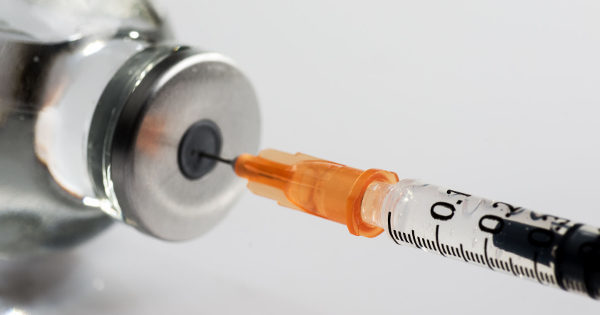
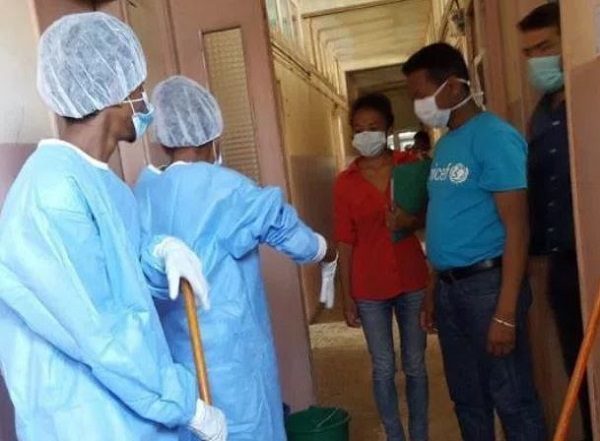
Responding to nurses who exert their science-based vaccination choice, hospitals have used both heavy-handed public shaming and coercion tactics of making them wear masks. Every year, scores of images populate social media feeds showing nurses wearing masks forced upon them during their hospital shifts because they refused their flu shots. A popular mainstream message is that we must all get our flu shots to protect the elderly who may die from the flu or its complications. Yet, however 'caring' this PR strategy may appear, we should occasionally look at the results.
What does it say about the infallibility of the 'safe and effective' vaccine narrative when those working within the very system that delivers the shots are refusing to take them themselves? Is it because nurses see vaccine injuries firsthand? Are the nurses, or anyone else, justified in refusing the flu shot?
Every quarter, the US Department of Justice (DOJ) issues a report to the Advisory Commission on Childhood Vaccines on vaccine injuries and deaths based on adjudicated settlements in the Vaccine Court. The settlements for the flu shot, which is now part of the recommended childhood schedule, are topping several consecutive DOJ reports. Furthermore, according to the US Special Claims Court website, flu shot settlements increased from $4.9 million in 2014 to $61 million in 2015 - an increase of more than a 1000 percent, and the year of 2016 saw an over 50 percent further increase from the year before.















Comment: The Health & Wellness Show: Flu Season: Don't believe the hype