Health & WellnessS


Biohazard

Not soy good? FDA to rescind heart health claim for plant protein

Soy not so good
© Kham / Reuters
The US Food and Drug Administration (FDA) has proposed revoking a claim that soy protein can reduce heart disease, saying that subsequent studies have cast doubt on the 1999 assessment.

"Our review of that evidence had led us to conclude that the relationship between soy protein and heart disease does not meet the rigorous standard for an FDA-authorized health claim," the agency said Monday.

In 1999, the FDA granted a health claim for labeling manufactured food products containing soy, saying that "25 grams of soy protein a day, as part of a diet low in saturated fat and cholesterol, may reduce the risk of heart disease."

In 2012, however, the European Food Safety Authority published a scientific opinion on isolated soy proteins and reduction of cholesterol and concluded that a cause-and-effect relationship was not established.

Comment: See also:
Soy formula is a formula for disaster
How soy affects hormones


Life Preserver

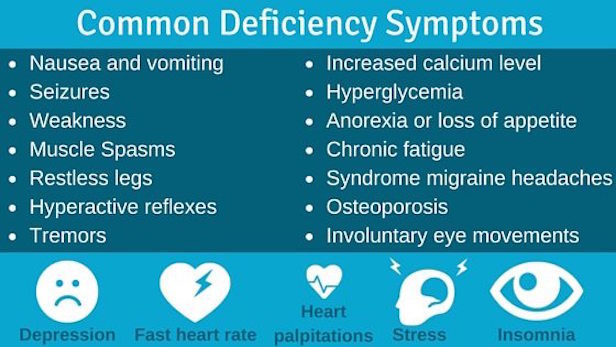
The heavy guns of magnesium: Reducing human suffering in a wide variety of clinical situations

magnesium
There is no healing system more powerful than that which employs Nature's primordial substances; materials so pure and close to nature that they yield benefits without the typical side effects of most drugs. The secret to safe and effective medicine is found in using medicinal substances that do not have side effects in reasonable doses. This is the very meaning of safe, something that will not harm or hurt you.

I received a letter from a professional colleague named George Eby in 2007 that stated that his daughter was destroyed by the terrible side effects of a special type of antibiotic called fluoroquinolones. He said,
"My daughter was stricken with this horrible affliction. Cipro sensitivity causes long term (multiple years to life) chronic pain, weakness and tendon weakness leading to tendon breakage and many other horrible effects, some physical and some mental. This is something that everyone needs to know about. We have been destroyed by cipro. I don't think there is much anyone can do, except to give her magnesium, which is somewhat of an antidote. I am very worried but I haven't lost hope, but I am being realistic. Some of the tendon damage is necrotic and permanent. However, we have studies with rattlesnake venom that produce necrosis on animals and simply applying magnesium (chloride) and zinc (gluconate) topically, the necrosis vanishes." Ten days later I received this email from George.

"Topical magnesium chloride for 10 days = well daughter!"
There is a power and a force in magnesium chloride that cannot be equaled anywhere else in the world of medicine. There is no substitute for magnesium in human physiology; nothing comes even close to it in terms of its effect on overall cell physiology. It goes against a strong gale wind of medical science to ignore magnesium chloride used transdermally in the treatment of any chronic or acute disorder.

Comment: More reasons why magnesium is The Spark of Life:


Clipboard

HIIT training alters brain glucose metabolism in insulin-resistant people

2 exercise bikers
© University of Turku
Researchers at the University of Turku, Finland, studied how high-intensity interval training (HIIT) alters the brain's glucose metabolism in physically inactive insulin resistant people. Only two weeks of HIIT training reduced glucose metabolism in all areas of the brain.

A study lead by Jarna Hannukainen and Kari Kalliokoski at the University of Turku shows that HIIT training reduces brain glucose metabolism of people suffering from type 2 diabetes or prediabetes.

Previous studies have shown that the brain's glucose and fatty acid uptake is increased in type 2 diabetes, and that glucose uptake decreases after weight loss. We wanted to study if a similar effect could be achieved by exercise, without a significant weight loss, says Doctoral Candidate Sanna Honkala from Turku PET Centre.

Syringe

Shingles vaccines: Blockbusters for BigPharma that fail at least 97% of the time

shingles
© amoils.com
Last week, I visited Denver, Colorado where Allison and I hiked the national parks and saw the beautiful sights around Denver. I also visited and spent time with my dear friend, Suzy Cohen-America's Pharmacist. Suzy and I have been friends for many years. Suzy has written many books about natural therapies including my favorite, Drug Muggers. Three years ago, Suzy and I co-hosted the Thyroid Summit and we had a lot of fun putting it together.

During our week in Colorado, we saw Suzy and her husband Sam many times. During one visit, we were talking about our respective blogs and I stated to her, "I am trying not to write about vaccines." Suzy commented, "But you always write about vaccines, why are you trying not to write about them?"

I explained to Suzy and Sam that I am tired about writing about the problems with vaccines. I have been writing about the toxic ingredients of vaccines for well over a decade now. I do not want to be defined as an anti-vaxxer.

You see, I am not anti-vaccine. I am pro-health. If vaccines were safe and effective, I would be on-board with the CDC's (Centers for Disease Control and Prevention) recommendations. However, we are presently giving too many ineffective vaccines which contain toxic ingredients and do not work as advertised.

Perhaps I could stop writing about vaccines if the vaccine manufacturers would stop producing and marketing ineffective vaccines. However, the fake news stories about ineffective vaccines still occur. Whenever I see a fake news medical article, my writing juices get warmed up. A recent article in the New York Times (10.25.17) got me going-it was titled, "CDC Panel Recommends a New Shingles Vaccine." The new vaccine-Shingrix-is manufactured by GlaxoSmithKline for adults 50 and older. The Advisory Committee on Immunization Practices, which is part of the CDC, now recommends Shingrix over the old shingles vaccine-Merck's Zostavax. Amazingly, the new recommendations now state that adults who have received the older shingles vaccine should now get the new one.


Comment: The fact that these vaccines are useless is just the tip of the iceberg - more frightening are the reported side effects ranging from shingles itself, which the vaccine is supposed to prevent, to serious injuries such as blindness and paralysis. Other reports of adverse effects from Zostavax include brain damage and death.


Health

Prostate cancer 'shocked' using testosterone therapy

cancer tumor
Visualization of a cancer tumor
Doctors are stunned to report that a man with advanced prostate cancer appears to have been cured, after they "shocked" his cancerous tumor with high doses of testosterone.

The outcomes seen in this study have been called "unexpected" and "exciting," and for good reason. Most prostate cancer therapies are actually focused on depriving tumors of testosterone, because the cancer uses the hormone as fuel; that is why the results of this study are so surprising.

Other critically ill men who took part in the same trial showcased similar and equally impressive results. Scientists remained astonished by their shrinking tumors and by the cessation of disease progression. The majority of the 47 trial participants also exhibited falling levels of Prostate Specific Antigen (PSA), a blood marker used to monitor prostate cancer. The researchers noted that one individual had his PSA levels drop down to zero after just three months of participation, and currently shows no lingering remnants of the disease. After 22 cycles of treatment, scientists say he appears to be cured.

Comment: Also see:


Health

Six misleading health and nutrition fake news items

foodstuffs
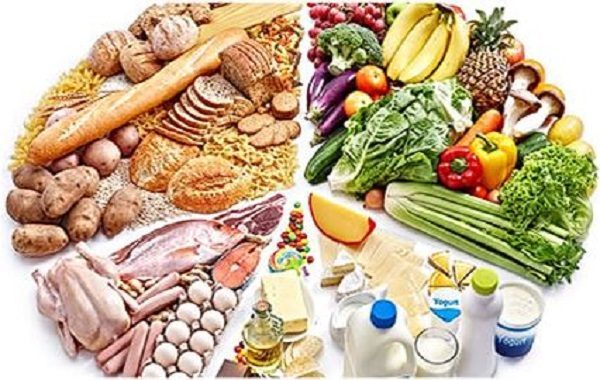
Nutrition myths haven't changed much in nearly 40 years. The people making these erroneous assertions tend to be very dogmatic in their views. The source of these misleading facts is most often practising medical doctors untrained in nutritional medicine, or those who are just plain out of date. Here are the most widely known fake news items in natural medicine that die hard.

MYTH #1 -- Only Dairy Products Can Provide Adequate Calcium

Many studies demonstrate that its absorption of pasteurized milk is inferior to that seen with calcium from plant sources. Dark green leafy vegetables have relatively high calcium concentrations. With the exception of spinach (due to the high oxalate content), the calcium from greens is very well absorbed. Kale and other members of the same food family such as broccoli, turnip greens, Brussels sprouts, collard greens, and mustard greens are excellent sources of both calcium and magnesium -- an important trace mineral that aids calcium utilization which is found in only small amounts in cow's milk.

Comment: See also: Top ten most health destroying nutrition lies ever told


Syringe

Gene sequencing study reveals unusual mutations in endometriosis

Endometriosis
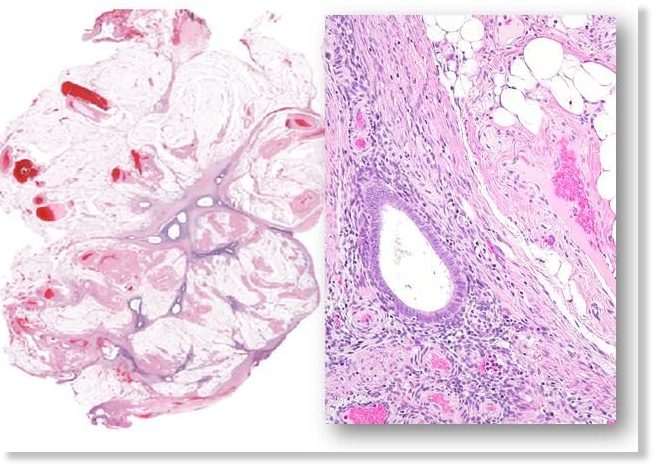
Using gene sequencing tools, scientists from Johns Hopkins Medicine and the University of British Columbia have found a set of genetic mutations in samples from 24 women with benign endometriosis, a painful disorder marked by the growth of uterine tissue outside of the womb. The findings, described in the May 11 issue of the New England Journal of Medicine, may eventually help scientists develop molecular tests to distinguish between aggressive and clinically "indolent," or non-aggressive, types of endometriosis.

Health

Clostridia connection to mental health and autism

Brain
Clostridia (aka. clostridium) are a group of opportunistic and often times pathogenic bacteria that can harbor in the digestive system. They are strictly anaerobic (don't like oxygen) and form spores that are resistant to many conventional antibiotics increasing their pathogenicity (1). Clostridium difficle (aka. C. diff) is the best known clostridia bacteria that can lead to various digestive problems including the inflammatory bowel condition called Pseudomembranous colitis (2). Not all symptoms of C. difficle (CDI) infection are related to Pseudomembranous colitis, and may manifest as flu-like symptoms and lead to bloating, gas, abdominal pain and mixed bowel movements (loose stools to diarrhea and constipation). Clostridia bacteria can overrun many of the normal digestive flora and lead to significant imbalances of the microenvironment (aka. microbiome) of the digestive system (3). Unfortunately, C. difficle infections are a growing problem and account upwards of 30,000 deaths in the United States every year (4).

There are many other types of clostridia bacteria, other than just Clostridia difficle. C. botulinum (responsible for certain forms of food poisoning) is part of the clostridia bacteria family, as well as C. tetani (responsible for the neuromuscular disease Tetanus). In fact, there are over 80+ species of clostridia bacteria that may lead to problems, but not all are severely dangerous and pathogenic.

Comment: For more clues on how stealth infections are related to mental and physical illnesses, check out:


Bacon n Eggs

Food as medicine: Low-carb ketogenic diet is as effective as taking antipsychotic drugs - without the negative side effects

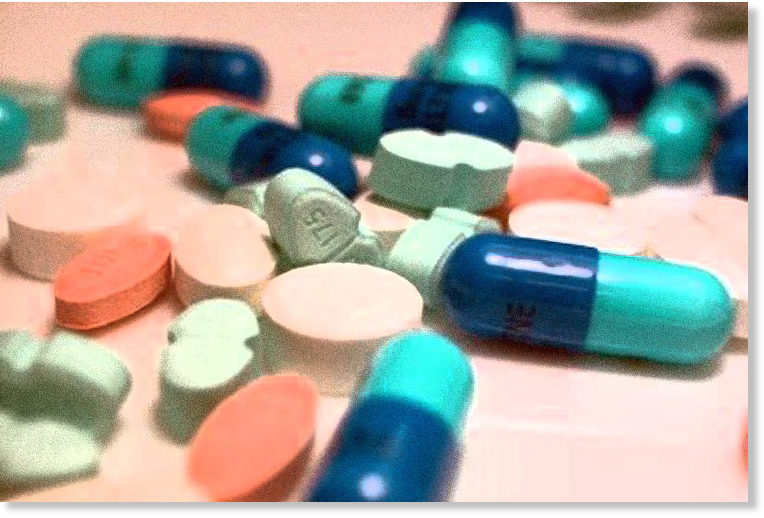
pills
Among the many pharmaceutical options available for treating mental health issues, antipsychotic medications are some of the most overprescibed. So much so, in fact that in 2015 the Government Accountability Office (GAO) issued a report urging lower uses of antipsychotic meds for elderly patients suffering from symptoms of dementia, citing a number of dangerous side effects of this class of drugs.
"They blunt behaviors. They can cause sedation. It increases a patient's risk for falls. And, if you just want to get to the very basic bottom line, why should someone pay for something that's not needed?" ~ Bradley Williams, geriatric pharmacist, University of Southern California [Source]
Just as is with depression and anxiety, numerous cases demonstrate that dietary changes and other lifestyle changes can often times achieve better results, more safely, than using psychotropic medications.

Georgia Ede, MD, psychiatrist and pharmacologist in Massachusetts reports on two interesting cases where low-carb diets, specifically ketogenic diets, seemed to be exceptionally beneficial in improving conditions in patients who would ordinarily have been prescribed antipsychotic medications.

Comment: See:


Health

The 5 most common types of dry coughs and how to treat them naturally

coughing man
Coughs are one of the most common complaints seen by doctors and exact causes are only found for less than 50 percent of conditions. Coughs are mainly a protective reflex to remove foreign bodies, mucus or irritants and a primary respiratory reflex for inflammation. Knowing which type of cough is ailing you is the first step in addressing a solution. Here are 5 types of common dry coughs, their symptoms and how to treat them naturally.

Each type of cough is distinct and could help indicate specific underlying illness. One of the best ways to diagnose a cough is by listening.

1) CHRONIC DRY COUGH


A stubborn dry cough that comes and goes, but never quite disappears. It's called a dry cough because it doesn't produce phlegm. It usually occurs during the day, prompting a coughing fit that can last three to ten minutes. In extreme cases, sufferers experience oulled muscles, incontinence and even fractured ribs.