Health & WellnessS


Brain

Scientists identify mechanism that helps us inhibit unwanted thoughts

Negative thoughts brain
Scientists have identified a key chemical within the 'memory' region of the brain that allows us to suppress unwanted thoughts, helping explain why people who suffer from disorders such as anxiety, post-traumatic stress disorder (PTSD), depression, and schizophrenia often experience persistent intrusive thoughts when these circuits go awry.

Comment: GABA is a supplement that is easily available online, including in a mixed formula that includes Taurine and L-Tyrosine.


Biohazard

Madagascar plague cases rocket by almost 40% in just 5 DAYS and could hit a further 20,000 in weeks

Madagascar plague
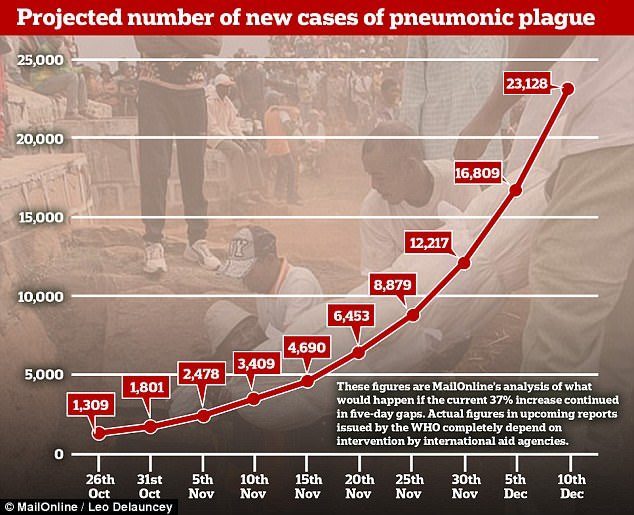
© Mail Online / Leo DelaunceyAnalysis of figures by MailOnline show the plague epidemic in Madagascar could strike a further 20,000 people in just a matter of weeks, if current trends continue
  • The World Health Organization now states there are 1,801 suspected cases
  • This is significantly higher than the 1,309 the agency reported last Thursday
  • Professor Robin May, an infectious diseases expert at Birmingham University, told MailOnline that the outbreak is 'concerning definitely'
  • Analysis of figures by MailOnline show the epidemic could strike a further 20,000 people in just a matter of weeks, if current trends continue
  • The 'unprecedented' outbreak has prompted warnings in 9 nearby countries
The deadly airborne plague spreading rapidly across Madagascar is now at 'crisis' point as cases have rocketed by 37 per cent in just five days, official figures reveal.

The outbreak, the 'worst in 50 years', is being fueled by a strain more lethal than the one which usually strikes the country off the coast of Africa.

The World Health Organization (WHO) now states there are 1,801 suspected cases - significantly higher than the 1,309 it reported last Thursday.

Academics have revealed such a jump in cases over the period of five days is concerning and have predicted it could get worse. The most recent statistics show there have been 127 deaths.

Professor Robin May, an infectious diseases expert at Birmingham University, told MailOnline that 'whichever way you look' at the outbreak, it's 'concerning definitely'.

Madagascar plague
© MailOnline/ Emily BeenyMore than 1,300 cases have now been reported in Madagascar, health chiefs have revealed, as nearby nations have been placed on high alert

Comment: See also: Plague outbreak plunges Madagascar into a state of emergency , where we read:
The Madagascar Plague is actually three plagues.

The first is bubonic - the type which ravaged Europe and the Mediterranean in the thirteen hundreds, leaving up to 60 percent dead.


Actually, the bubonic plague was universally and unequivocally believed to be the cause of the Black Death in the thirteen hundreds, despite the fact that it is well-established as biologically impossible. For more information, see: New Light on the Black Death: The Viral and Cosmic Connection.


The second is pneumonic - a super strain of the yersinia pestis bacterium which always results in death.

The third, more rare strain, is septecaemic - a life-threatening infection of the blood.

In Madagascar plague is endemic, and flare-ups cause public health emergencies on an almost annual basis but now the nation faces an uncontrolled epidemic which is terrifying the world's health agencies.

Between 1 August and 27 October, 113 people had died and 1,554 cases reported - out of which 985 were pneumonic plague, 230 bubonic plague and 339 unknown.


Cloud Grey

How toxic air clouds mental health

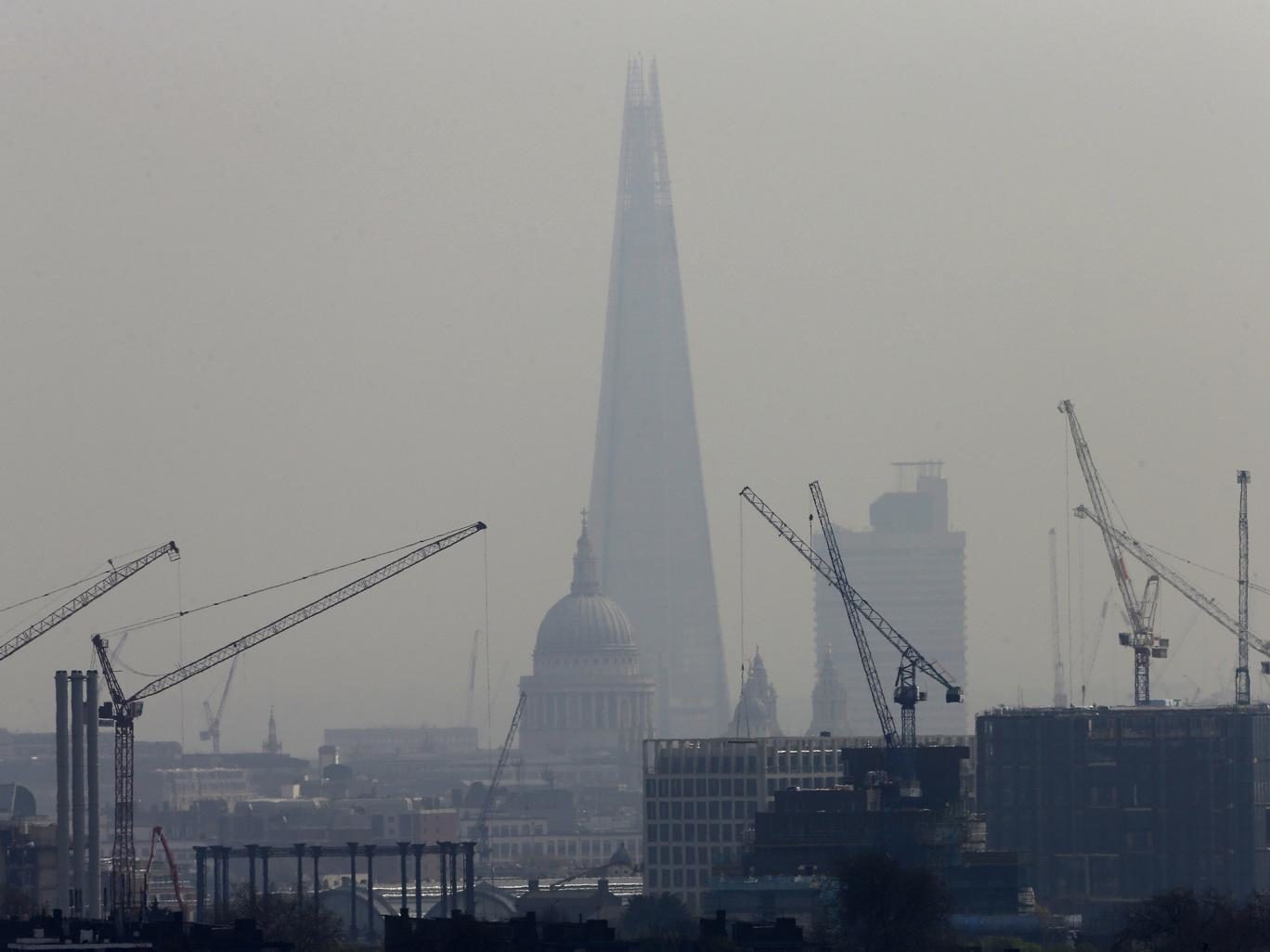
The UK has broken EU air quality regulations every year since 2010 Reuters air pollution brain fog mental distress
© ReutersThe UK has broken EU air quality regulations every year since 2010
There is little debate over the link between air pollution and the human respiratory system: Research shows that dirty air can impair breathing and aggravate various lung diseases. Other potential effects are being investigated, too, as scientists examine connections between toxic air and obesity, diabetes and dementia.

Now add to that list psychological distress, which University of Washington researchers have found is also associated with air pollution. The higher the level of particulates in the air, the UW-led study showed, the greater the impact on mental health.

The study, published in the November issue of Health & Place, is believed to be the first to use a nationally representative survey pool, cross-referenced with pollution data at the census block level, to evaluate the connection between toxic air and mental health.

Health

Long term use of acid reflux drugs could double stomach cancer risks

acid reflux, GERD, PPI medicines
A class of drugs commonly used to treat acid reflux and heartburn has been linked to a greater-than-doubled risk of developing stomach cancer, new research shows.

Proton pump inhibitors (PPIs) are used to suppress acid production in the stomach and are among the most widely sold drugs in the world, but a new study reveals that long-term use of the medicine can increase stomach cancer risks by almost 250 percent.

The risks are associated with a bacterium called Helicobacter pylori, carried by more than half of the world's population - most often harmlessly, but in a small percentage of people, the bug has been tied to the development of stomach cancer.

Previous research found that people with an ongoing Helicobacter pylori infection taking a PPI stood a greater chance of developing a precursor to stomach cancer, called atrophic gastritis.

While the mechanism for this was unclear, it's long been considered that eliminating the infection prior to taking PPIs - which have been linked to various adverse effects - might reduce the prospects of getting cancer.

But the new research shows that might not be the case.

Comment: More reasons to avoid Proton Pump Inhibitors: There are much safer solutions for preventing and treating acid reflux:


Syringe

Know what else comes through the needle?

vaccine gun
Excipients in vaccines are chemicals that are not the main active ingredient, but are added to vaccines for several purposes. Preservatives are added to prevent contamination, and adjuvants are added to "killed virus" or subunit vaccines, and are designed to make the antigens more reactive and have a longer duration of action. This seems to be a good idea, but unfortunately there is a bad side, particularly to the two most popular additives: thimerosal and aluminum. Thimerosal, a preservative, is a mercury compound, added to vaccines to kill any "live viruses," fungi, and bacteria in the vial. Aluminum (as aluminum hydroxide or aluminum phosphate) is an adjuvant in vaccines meant to boost antibody response. Both of these metals are regarded as environmental toxins.

Comment: For more information, check out Vitamin C prevents side effects from the MMR vaccine
...in order to protect our children from any vaccination side effects, we give very high doses of vitamin C before, during (yes, even at the doctor's office) and after immunizations.

Document

NBC: Chuck Norris sues over MRI chemical he says poisoned wife

chuck norris
On Wednesday, action star Chuck Norris filed a lawsuit in San Francisco claiming that the gadolinium doctors injected into his wife, Gena Norris, to improve the clarity of her MRIs "have left her weak and tired and with debilitating bouts of pain and a burning sensation." NBC Los Angeles, November 1, 2017."

Why on earth we are still using gadolinium, a metal found in "contrast" agents used in many MRIs, has been shown to remain in some of our organs (like the brain, bones, and skin). However, according to the FDA and European Union agency, retained gadolinium isn't harmful.

Attention

Plague outbreak plunges Madagascar into a state of emergency

plague workers
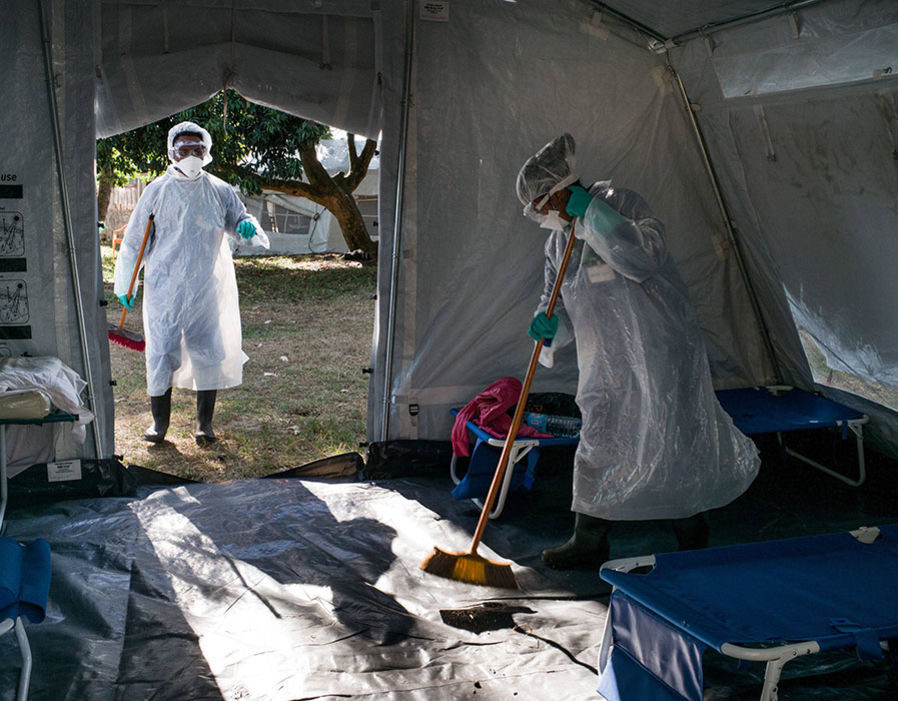
© AFP/Getty ImagesWorkers cleaning and disinfecting the tents where patients sleep at the health center.
A state of emergency has gripped Madagascar with schools and public meeting spaces closed, panic buying and hoarding of antibiotics, and 15,000 teachers being re-trained to spot and isolate those with signs of plague.

But the plague, which has so far killed 123 and left hundreds infected, is a super-strain which is even more infectious and deadly than famous the Bubonic Plague of the 14th century.

The Madagascar Plague is actually three plagues.

The first is bubonic - the type which ravaged Europe and the Mediterranean in the thirteen hundreds, leaving up to 60 percent dead.


Comment: Actually, the bubonic plague was universally and unequivocally believed to be the cause of the Black Death in the thirteen hundreds, despite the fact that it is well-established as biologically impossible. For more information, see: New Light on the Black Death: The Viral and Cosmic Connection.


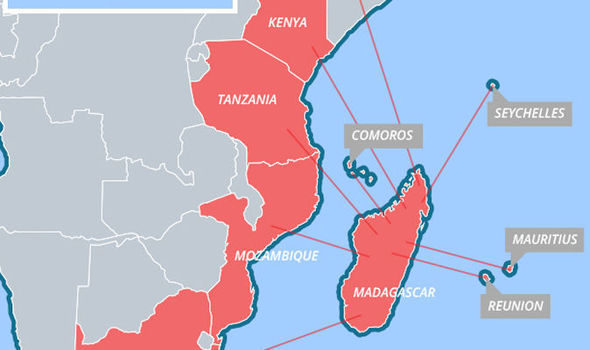
Comment: Here is a map of the affected areas:
plague map
© ExpressA map highlighting countries on high alert after a Black Death outbreak in Madagascar.
And keep in mind, as the panic spreads (like it did with Ebola scare two years ago):
Dr Arthur Rakotonjanabelo said: "Plague is a disease of poverty, because it thrives in places with poor sanitary conditions and health services."
The WHO has a long track record of hyping possible epidemics. Not to say that there never will be one, but is this it? Madagascar is routinely hit with plague outbreaks and we'll have to see how long it will take for this one to die down.

Health officials state that this particular outbreak is slated to last another six months and cite the practice of Famadihana as contributing to its spread.
The Sun yesterday reported how the outbreak has been fuelled by performing the ancient practice of Famadihana - which sees locals dig up deceased relatives and dance with them before they are re-buried.

It is feared the ceremony has helped spread an outbreak of pneumonic plague that has left more than 120 dead on the African island.

The country's health chief Willy Randriamarotia said: "If a person dies of pneumonic plague and is then interred in a tomb that is subsequently opened for a Famadihana, the bacteria can still be transmitted and contaminate whoever handles the body."

The tradition has been banned since the outbreak began, but it is feared ceremonies have taken place regardless.



Attention

Top fertility doctor: 'Trans people misunderstand and often regret' sex-change surgery'

gay flag
© Jean-Sebastien Evrard / AFP
A fertility doctor has sparked outrage after claiming that sex-reassignment surgery is misunderstood and often regretted. The veteran scientist and television presenter said transgender patients are often left feeling "badly damaged" after surgery.

Both men and women who have undergone the procedure have had to come to terms with the "horrendous" results of gender-reassignment surgery, Lord Robert Winston warned, as the number of people seeking the life-changing operations grows.

Winston presented statistics in support of his claims, indicating how many people are left regretting their decision to undergo surgeries, which result in changes to their bodies that are far from what they had desired.

Vaginal-reconstruction patients experience complications in a staggering 40 percent of cases, he told the Today program on BBC Radio 4. "Results are horrendous in such a big proportion of cases," he added.

Winston said the risks and implications of gender-reassignment surgery are not properly understood. Fertility can be damaged, he explained, and people who have their breasts removed "feel uncomfortable with what they've done" in 23 percent of cases.

Biohazard

Monsanto's new chemical product NemaStrike halted after causing rashes

bio tech lab
© Michael Kooren / Reuters
The largest producer of genetically-modified seeds and the notorious Roundup weedkiller Monsanto has stopped the launch of a chemical designed to be applied to crop seeds. Multiple reports show the new chemical causes rashes on people.

The product, called NemaStrike, is supposed to protect crops from worms. It has been given the green light by US environmental regulators.

"There have been limited cases of skin irritation, including rashes, that appear to be associated with the handling and application of this seed treatment product," Brian Naber, US commercial operations lead for Monsanto, said in a letter to customers about NemaStrike, quoted by Reuters.

Donut

Sugar, carbs and cancer - It's all connected

waist measured
© M. Spencer Green / Associated PressA patient has her waist measured as she takes part in an obesity prevention study at Rush University Medical Center in Chicago on Jan. 20, 2010.
In August of 2016, the New England Journal of Medicine published a striking report on cancer and body fat: Thirteen separate cancers can now be linked to being overweight or obese, among them a number of the most common and deadly cancers of all - colon, thyroid, ovarian, uterine, pancreatic and (in postmenopausal women) breast cancer.

Earlier this month, a report from the Centers for Disease Control and Prevention added more detail: Approximately 631,000 Americans were diagnosed with a body fat-related cancer in 2014, accounting for 40% of all cancers diagnosed that year.

Increasingly, it seems not only that we are losing the war on cancer, but that we are losing it to what we eat and drink.

These new findings, while important, only tell us so much. The studies reflect whether someone is overweight upon being diagnosed with cancer, but they don't show that the excess weight is responsible for the cancer. They are best understood as a warning sign that something about what or how much we eat is intimately linked to cancer. But what?

When insulin rises to abnormally high levels and remains elevated, it can promote the growth of tumors directly and indirectly.

Comment: It's not just cancer that is connected to higher sugar intake. There are many other conditions that could be helped by reducing ones sugar and carbohydrate intake. See also: