Health & WellnessS


Beaker

Scientists to use immunotherapy to treat schizophrenia

doctor on laptop
© Pixabay
UK scientists have begun testing a radically new approach to schizophrenia treatment. In the course of the next two years, 30 patients will get infusions of the so-called monoclonal antibody drug each month, which will target their immune systems. Radio Sputnik discussed this new method with professor Olive Howes.

According to the researchers this new treatment will help target the root causes of schizophrenia in a more fundamental way than current therapies do because the focus is on the way brain cells react to the immune system of the body.

In an interview with Sputnik, Oliver Howes, a professor of molecular psychiatry at the MRC London Institute of Medical Sciences and a consultant psychiatrist at the Maudsley Hospital in South London said that currently doctors are using a method to block chemical dopamine from getting released into the patient's bloodstream, but sometimes it fails to address all of the symptoms of the illness.

"If the illness isn't treated it can sometimes lead to death. More often actually it is individuals ending their own lives, so they are much more at risk of that. But what is radically new about our approach is that instead of just blocking the downward consequences, we are trying to target the upstream causes. Particularly the immune system," Howes said.

Health

Dementia has overtaken heart disease as the UK's biggest killer

alzheimer
© geralt / Pixabay
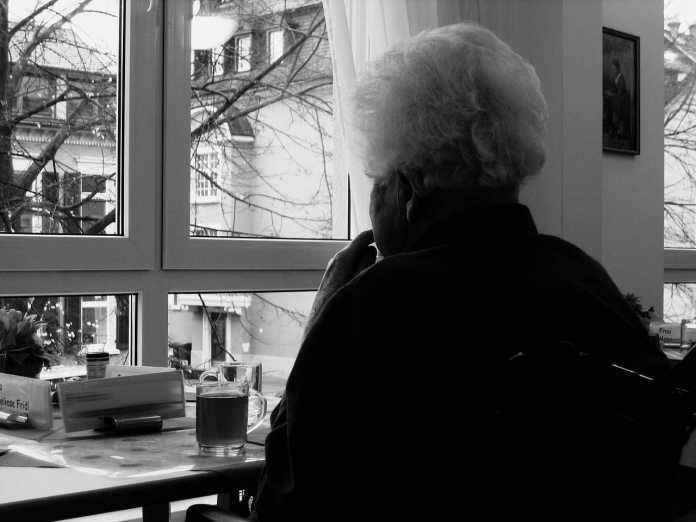
Dementia is now Britain's biggest killer, overtaking heart disease for first time new figures have shown.

Some 70,366 people died from Alzheimer's disease and dementia last year compared to around 66,076 deaths from heart disease.

In 2015 heart disease was the biggest killer with 69,785 death, while 69,182 people died from dementia.

The switch is being driven by the ageing British population, combined with improvements in heart health, as more people are prescribed statins and beta blockers to cope with high cholesterol and high blood pressure.

Charities have called on the government to double its annual £132 million dementia research funding over the next five years. Projections suggest that 1.2 million will be living with dementia by 2040.

Comment: The current epidemic growth in dementia may be linked to decades of misguided advice which have advocated low-fat diets as well as mainstream medicine's obsession with cholesterol lowering drugs. Researchers are discovering that both fat and cholesterol are severely deficient in the Alzheimer's brain. Fat and cholesterol are both vital nutrients in the brain; the brain contains only 2% of the body's mass, but 25% of the total cholesterol.


Health

Blood plasma and the fountain of youth

blood ingesting
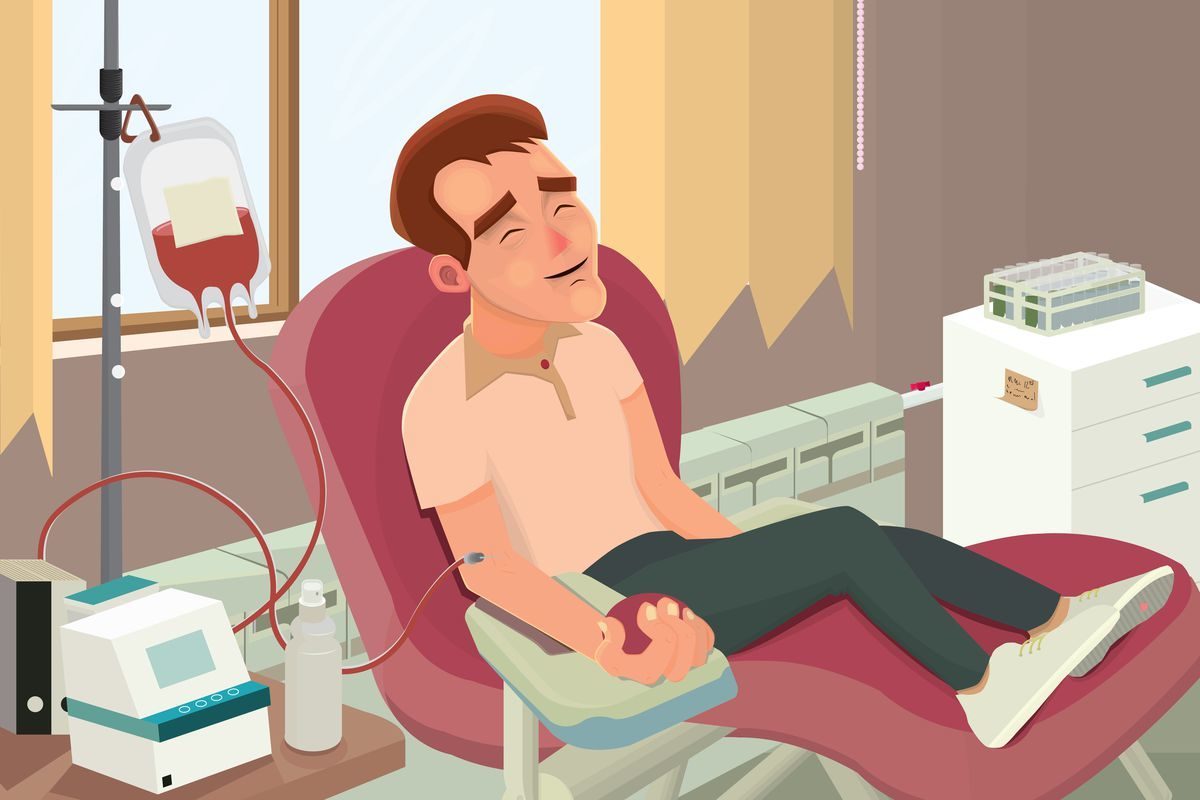
Blood has always been known as "the Gift of Life" and a growing number of Bay Area researchers are currently trying to isolate a factor in blood that may turn back the hands of time.

"We don't know how soon we're going to defeat aging," proclaimed Aubrey de Grey. "We should be able to keep people truly in a youthful state of health, no matter how long they live and that means the risk of death will not rise."

De Grey is the Chief Science Officer and Co-founder of the SENS Research Foundation in Mountain View. He believes we can grow biologically younger.

"The risk of death will remain the risk of death from causes other than aging - like being hit by a truck," explained De Grey.

SENS funds a dizzying array of projects, research and clinical trials. The Bay Area is packed with bio scientists looking at solving the healthy longevity puzzle.

Comment: There have been rumors of this practice throughout history. It's becoming more mainstream now.


Pills

Study finds serotonin linked to increased anxiety

antidepressant pills
Around 100 million people around the world take antidepressants like Prozac and Zoloft. However, few are aware beforehand that antidepressants can worsen anxiety in the first few weeks of use. Until recently scientists have found the side-effect mysterious.

Now, though, they have identified an anxiety circuit in the brain that responds to serotonin.

The study's findings help underline the fact that serotonin does not just promote good feelings, despite what many think.

Comment: So the drugs make things worse, so the answer is to make a different drug? Maybe there are other options:


Microscope 2

Sleep deprivation stops brain cells firing properly, changing how we see the world

Sleep deprivation stops brain cells firing properly, changing how we see the world
© UCLABrain cells fire more slowly and stop encoding memories efficiently, UCLA found Credit: UCLA
Sleep deprivation stops brain cells communicating properly and affects how people see the world around them, a new study has shown.

The new research, which has serious implications for driving while tired, shows that parts of the brain actually turn themselves off to rest even though a person is still awake.

Brain scans of sleep deprived people by scientists at the University of California Los Angeles (UCLA) have shown for the first time that fatigue disrupts the speed the brain cells communicate and prevents memories being encoded properly. It also causes temporary lapses in memory and vision.

Life Preserver

The Alzheimer's antidote: using a low-carb, high-fat diet to fight Alzheimer's disease, memory loss, and cognitive decline

Kokosöl und Alzheimer, Kokosöl und Gehirn
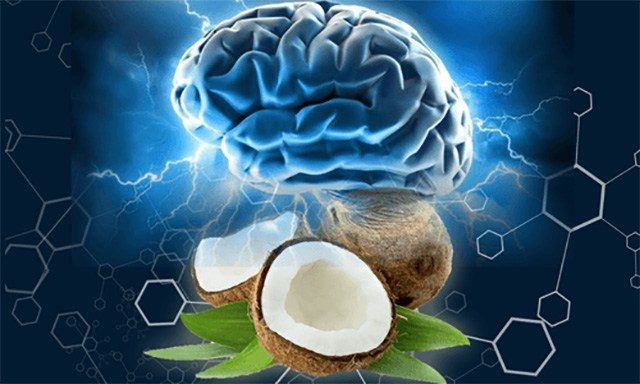
What exactly is meant when Alzheimer's disease is referred to as Type 3 diabetes? Amy Berger answers this question in her book The Alzheimer's Antidote where she has synthesized what we know about Alzheimer's disease (AD) to lead us closer to the cause: a fuel shortage in the brain. How and why this occurs is explained in the book, with dietary and lifestyle changes to counteract the process.

Metabolic syndrome is a known risk factor for AD. Insulin resistance is a factor in both and causes higher blood levels of insulin (hyperinsulinemia). Glucose is the brain's primary source of fuel. A marker for Alzheimer's disease is a reduction in the rate of glucose metabolized by the brain. In some, the reduction has been found to be 45 percent and is always localized to areas of the brain involved with learning and memory. As the brain cells become less able to metabolize glucose for fuel, they starve. Berger notes that some researchers have found this to be the predominant abnormality in AD.

Comment: See also: Ketogenic Diet Reduces Symptoms of Alzheimer's


Family

Early parental intervention techniques could substantially reduce symptoms and developmental delays of autism

autism
Very early treatment of infants with the first signs of autism can substantially reduce the symptoms such that, by age 3, most have no developmental delays, a new study finds.

'Infant Start' is the name of the new behavioural therapy, mostly delivered by the children's parents, developed by autism experts at the University of California - Davis and Duke University in North Carolina.

The results of a pilot study of the therapy have just been published in the Journal of Autism and Developmental Disorders (Rogers & Ozonoff, 2014).

Comment: In addition to behavioral interventions, it would be wise to investigate any physical issues that may contributing to the symptoms:


Syringe

Immunoprophylaxis by gene transfer: The genetic roulette of vaccination

DNA vaccine
A news story tend to move in waves. It appears, retreats, and then appears in an altered form-replete with lies, cover stories, and embedded confusion. That's why I'm keeping this story alive in its stark essence.

The reference is the New York Times, 3/15/15, "Protection Without a Vaccine." It describes the frontier of research. Here are key quotes that illustrate the use of synthetic genes to "protect against disease," while changing the genetic makeup of humans. This is not science fiction:

"By delivering synthetic genes into the muscles of the [experimental] monkeys, the scientists are essentially re-engineering the animals to resist disease."

"'The sky's the limit,' said Michael Farzan, an immunologist at Scripps and lead author of the new study."

"The first human trial based on this strategy - called immunoprophylaxis by gene transfer, or I.G.T. - is underway, and several new ones are planned." [That was nearly two years ago.]

"I.G.T. is altogether different from traditional vaccination. It is instead a form of gene therapy. Scientists isolate the genes that produce powerful antibodies against certain diseases and then synthesize artificial versions. The genes are placed into viruses and injected into human tissue, usually muscle."

Syringe

Researchers double down on mumps vaccine recommendations even when faced with proof of obvious failures

vaccine
© Stuart Bradford
If you think you've been seeing mumps in the news more often in the past couple of years, you're absolutely right.

"Mumps outbreaks are on the rise," said Dr. Janell Routh, a pediatrician who is a medical officer on the mumps team at the Centers for Disease Control and Prevention. More than 6,000 cases of mumps were reported in the United States last year, the highest number in 10 years. Around 2010, total annual cases were down in the hundreds.

Most of the recent cases occurred in outbreaks, including a large one in Arkansas, rather than as a sporadic here-a-case, there-a-case disease. And most of the outbreaks were among people 18 to 22 years old, most of whom had had the requisite two doses of mumps vaccine in childhood. "We are seeing it in a young and highly vaccinated population," Dr. Routh said.


In my world, you can date people by their childhood diseases. I'm too young to have had measles, but old enough to have had mumps and chickenpox. Chickenpox I remember as particularly itchy and unpleasant; mumps I remember for the swollen chipmunk cheeks and, as with tonsillitis, a certain amount of ice cream to make painful swallowing easier.

Comment: Good grief.


Health

The EU and glyphosate: it's time to put children's health before pesticides

protest
© Remy Gabalda/AFP/Getty ImagesSome European countries are blocking the attempt to give glyphosate a new 10-year licence.
Our children are growing up exposed to a toxic cocktail of weedkillers, insecticides, and fungicides. It's on their food and in their water, and it's even doused over their parks and playgrounds. Many governments insist that our standards of protection from these pesticides are strong enough. But as a scientist and a lawyer who specialises in chemicals and their potential impact on people's fundamental rights, I beg to differ.

Last month it was revealed that in recommending that glyphosate - the world's most widely-used pesticide - was safe, the EU's food safety watchdog copied and pasted pages of a report directly from Monsanto, the pesticide's manufacturer. Revelations like these are simply shocking.

Two weeks ago, some European countries blocked the attempt to give glyphosate a new 10-year licence. This decision is about much more than one pesticide. It's a welcome sign that EU member states might be more vigilant in performing their duty to protect against corporate abuses of our human rights from exposure to toxic chemicals, including pesticides.

Comment: See also: German toxicologist accuses EU authorities of scientific fraud to enable the conclusion that glyphosate is not to be considered a carcinogen