Health & WellnessS


Bullseye

Jeffrey Dach MD: Measles outbreak, fake news and mass hysteria

measles
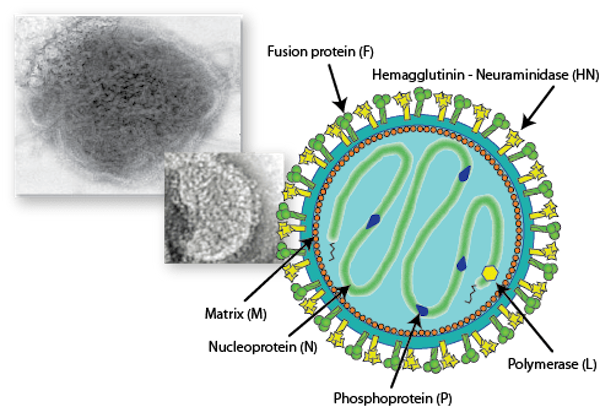
Measles virus diagram and Electron Microscopy courtesy of Human Viruses.
Darla Shine, Wife of a Trump Administration Official, found herself labeled as "anti-vaccination" in the center of a media storm this week after she made a few comments on social media about "bringing back childhood diseases" like measles (1-7)(27)

Virtually every major news outlet ran vicious anti-Darla Shine "hit-piece" articles which defamed her character, her husband's character, and offered opposing "Pro-Vaccination Material" for the discerning consumer.

Search Engine Results Couldn't Be Rigged, Could They ?

In addition, Google search engine results have obviously been manipulated to preferentially show pro-vaccination search results when entering key words such as "Darla Shine" and "measles". Welcome to the new world of internet censorship. Next, we can expect Facebook to start censoring speech by blocking users who question vaccine safety. If vaccines are so safe and effective, why do they keep changing them? And why does the Federal Vaccine Court keep paying out Billions of dollars in compensation for vaccine injuries?

Comment: Facebook to silence 'anti-vaxxers': Social media giant says it may reduce or remove 'harmful posts' about vaccinations as WHO says misinformation is to blame for global surge in measles


Pills

Scientific study finds statin drugs to be 'completely worthless'

drug pills
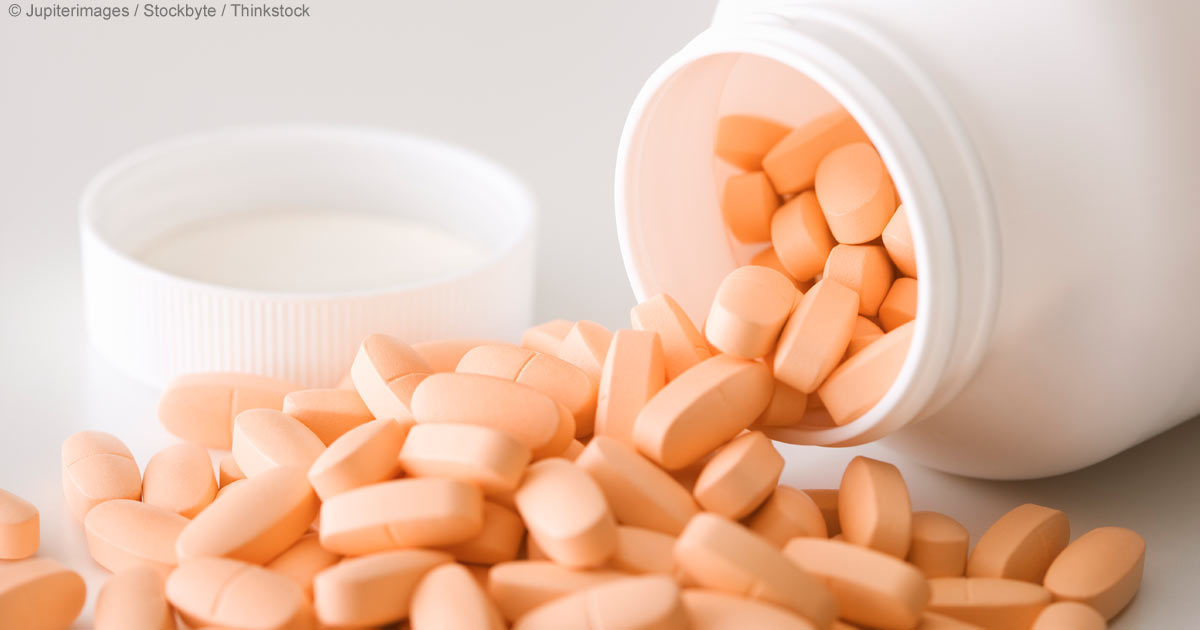
© Jupiterimages / Stockbyte / Thinkstock
A class of drugs that doctors from Imperial College London say should be handed out like ketchup packets as "preventative medicine" to the public has once again been shown to be completely useless. A new study published in the peer-reviewed journal JAMA Internal Medicinefound that statins, which are often hawked as the golden goose of heart health, do not provide any protection whatsoever against heart disease, nor do they reduce the number of deaths caused by anything.

In fact, adults over the age of 65 who are prescribed statin drugs to keep their cholesterol levels in check - 65-plus being the most targeted age group for statin prescriptions - are actually more likely to die from them than others who don't take these medications. And while this probably won't come as a surprise to NaturalNews readers, the new study found that changing one's diet, and not taking statins, is actually the best medication for preventing heart disease, countering the plethora of industry "science" that's been used to aggressively push statins as some type of miracle cure for the heart.

Comment: Also see:


Info

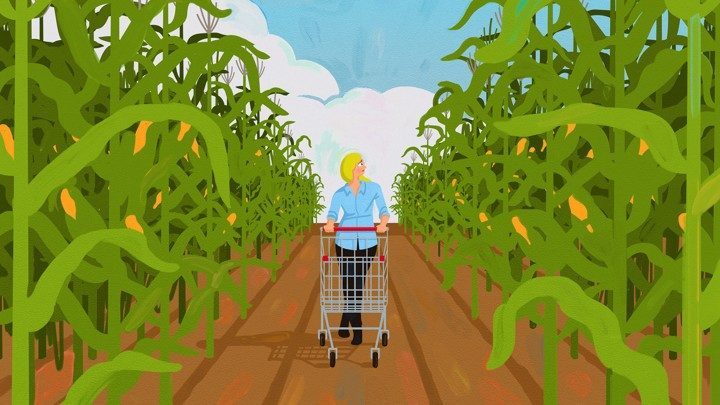
Corn derivatives lurk in many surprising places

Corn
© Pete RyanCorn is ubiquitous in supermarket goods.
When Christine Robinson was first diagnosed with a corn allergy 17 years ago, she remembers thinking, "No more popcorn, no more tacos. I can do this."

Then she tried to put salt on her tomatoes. (Table salt has dextrose, a sugar derived from corn.) She tried drinking bottled iced tea. (It contains citric acid, which often comes from mold grown in corn-derived sugar.) She tried bottled water. (Added minerals in some brands can be processed with a corn derivative.) She ultimately gave up on supermarket meat (sprayed with lactic acid from fermented corn sugars), bagged salads (citric acid, again), fish (dipped in cornstarch or syrup before freezing), grains (cross-contaminated in processing facilities), fruits like apples and citrus (waxed with corn-derived chemicals), tomatoes (ripened with ethylene gas from corn), milk (added vitamins processed with corn derivatives). And that's not even getting to all the processed foods made with high-fructose corn syrup, modified food starch, xanthan gum, artificial flavorings, corn alcohol, maltodextrin-all of which are or contain derivatives of corn.

"It's such a useful plant," Robinson says of corn. "It can be made into so very, very many things that are, from my perspective, trying to kill me."

Comment: Corn: What you may not know about this ancient grain


Marijuana

New study on Cannabis and Autism supports parents' longtime claims

cannabis
Parents of some autistic children have long reported that their kids calm down with cannabinoids, are better able to communicate, and can do more tasks by themselves. But because of the restrictions on cannabis research in the United States, there have been precious few real-world studies to confirm those anecdotal reports.

A recent study out of Israel, which approved cannabis research in 2007, gives parents new evidence to back up those claims. Published Jan 17. in the journal Nature, the study found that yes, cannabis can relieve some of the symptoms suffered by many autistic people, including seizures, restlessness, and rage attacks.

Comment: Study finds cannabis oil could be miracle treatment for autism


Attention

WHO, Pharma, Gates & Government: Who's calling the shots?

vaccines
On Jan. 16, 2019 the World Health Organization (WHO) issued a report ranking "vaccine hesitancy" as one of the top "Ten Threats to Global Health in 2019", alongside air pollution and climate change; noncommunicable diseases; global influenza pandemic; antimicrobial resistance; and infectious diseases such as ebola, dengue fever and HIV.1 Throughout history, the greatest contributors to disease and early death in human populations have been poverty, poor sanitation and poor nutrition, 2,3,4 yet infectious diseases with pharmaceutical solutions dominated this list. And there was no mention of the major opioid addiction crisis crippling and killing tens of thousands of people in the U.S. and Europe, 5,6 or the iatrogenic medical error epidemic that every year claims more than 750,000 lives in Europe 7 and 250,000 lives in the U.S., where it is the third leading cause of death. 8

The immediate mainstream media response to the WHO's announcement was to focus on "vaccine hesitancy." On Jan. 19, the Editorial Board of the New York Times declared that "anti-vaxxers" are "the enemy" and called on the U.S. government to "get tough" by waging a "bold and aggressive" pro-vaccine campaign that includes "tightening restrictions around how much leeway states can grant families that want to skip essential vaccines." 9 By Jan. 23, The Hill announced that Washington state had declared a state of emergency because of 23 cases of measles reported in an "anti-vaccination community" near Portland, Oregon,10 and there was a public call in the UK for social media platforms to "clamp down on fake news" and censor "misleading information and negative messaging around vaccination." 11,12

Red Flag

Pink slime just reclassified as 'ground beef' by the USDA

pink slime
Remember the dreaded "pink slime" video from 2012? There it was, some indescribable pink paste extruding through a machine - was it strawberry ice cream? A new type of Play-Doh?

Nope, pink slime was basically the meat industry equivalent of the trimmings or scraps that are normally swept up and tossed in the trash, or into pet food - a collection of bits collected from the meat production process that is transformed into a filmy, translucent substance using a centrifuge, which is then treated with ammonia hydroxide gas and added to commercial ground beef, usually in fast food or school cafeterias.

The brief video caused mass revulsion from U.S. consumers and a PR disaster for the meat industry: celebrity chefs were up in arms, McDonald's dropped the filler from its products, and an Iowa state senator even accused viewers of being duped by a vegetarian plot to put meat industry employees out of work.

But wait - what if we were wrong? What if that wasn't actually pink slime, or even the preferred industrial euphemism, "lean finely-textured beef" (LTFI)?

Comment: 'Pink slime' is also used in cheese, reveals meat industry under fire for using caustic cleaning chemical


Question

Deprescribing: Are you better off medication free?

deprescribing
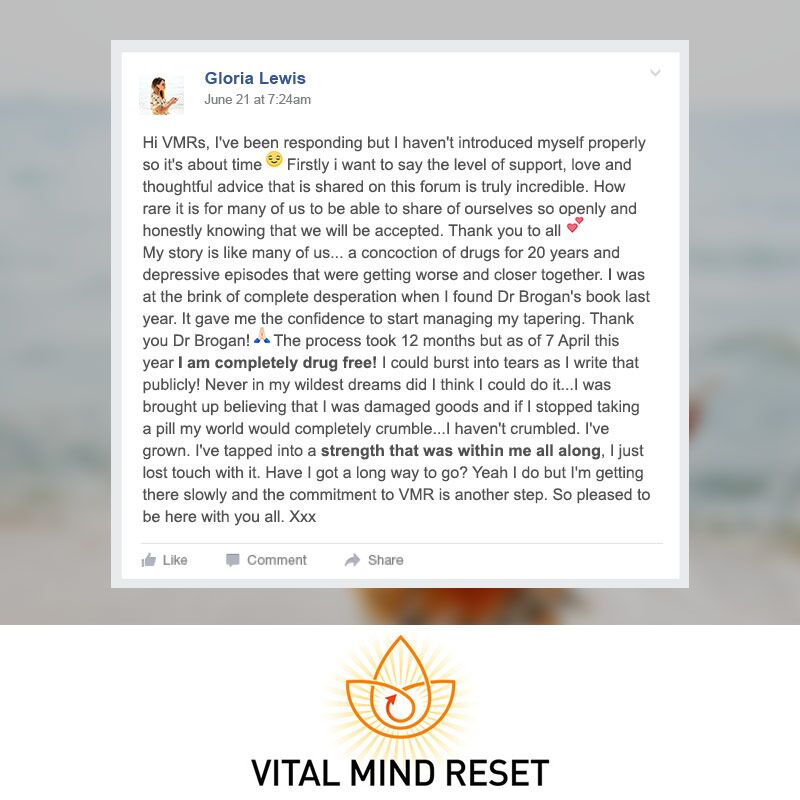
I know that strategic medication tapering can be a ticket to an authentic experience of yourself. I get feedback like this, every week:

prescribing

Comment: Kelly Brogan: Why I put down my prescription pad


Rose

Cadets create indoor 'organic farm' inside shipping containers

Cadets gain hands-on experience
© CitadelThe project helps cadets gain hands-on experience in business, chemistry, engineering, and growing food.
Inside three shipping containers on the campus of The Citadel, a military college in South Carolina, cadets are learning how to grow lettuce crops in a controlled indoor "farm" setting, producing organic produce in an environment that can withstand unpredictable weather conditions and disease. The cadets' hands-on education comes from The Citadel Sustainability Project, in which the first shipping container functions as a hydroponic cultivation system for lettuce crops, the second container is a testing ground for various growing systems, and the third container will be outfitted by cadets who design and build the growing equipment as part of a corresponding independent study.

The Citadel STEM Center of Excellence initiated the project in 2016 as an interdisciplinary collaboration. Of the 20 or so students who are members of the Sustainability Club, several are STEM Scholars. We also have electrical engineers who are completing a design project on hydroponics. We've had students from almost every campus department - engineering, biology, business - who have worked with the project.

Prior to their graduation, Alex Richardson, who studied engineering, and Cameron Brown, who studied business, managed the growing container with the help of other students motivated by a passion for the environment.

"Cadets are excited about The Citadel Sustainability Project because it incorporates biology, chemistry, computer science, business, engineering, and community outreach. It gives us the opportunity to collaborate with students outside of our own programs on a project focused on global population needs," Richardson says. "And seeing people on campus eat and enjoy our crops is gratifying."

Beer

Drinking two or more diet beverages a day linked to high risk of stroke, heart attacks

diet soda
More bad news for diet soda lovers: Drinking two or more of any kind of artificially sweetened drinks a day is linked to an increased risk of clot-based strokes, heart attacks and early death in women over 50, according to a new study by the American Heart Association and American Stroke Association.

The risks were highest for women with no history of heart disease or diabetes and women who were obese or African-American.

Previous research has shown a link between diet beverages and stroke,dementia, Type 2 diabetes, obesity and metabolic syndrome, which can lead to heart disease and diabetes.

Comment: The take-away: If you're a woman, only drink one toxic diet soda per day. If you're a man, drink as much as you like.

How many warning signs need to come to light before regulatory agencies actually take these things off the market? The onus of responsibility should be on the soda companies to prove their beverages do no harm, not on independent agencies to prove they are. Artificial sweeteners have been on the market for decades. How much harm to the public has been done in that time?

See also:


Syringe

Do vaccines really prevent 2.5 million children from dying each year?

vaccination
The World Health Organization (WHO) estimates that vaccination prevents between 2-3 million deaths worldwide each year and that an additional 1.5 million deaths could be avoided if vaccination coverage improved. The Centers for Disease Control and Prevention (CDC) qualifies this estimate by specifying that vaccines "prevent an estimated 2.5 million deaths among children younger than age 5 every year."1, 2, 3, 4, 5

This 2.5 million estimate has been cited by public health organizations for at least 10 years now and can be traced back to the 2009 WHO report State of the world's vaccines and immunization.4,6 That report, written primarily by freelance public health and science writer John Maurice, whose clients included vaccine supplier Gavi, the Vaccine Alliance and vaccine manufacturer Novartis,7 claimed: "Every year immunization averts an estimated 2.5 million deaths among children under five years old."4