Health & WellnessS


Pills

Antidepressants, Pain Relievers Linked to Increase in Drug-Related Poisoning

Image
© Unknown
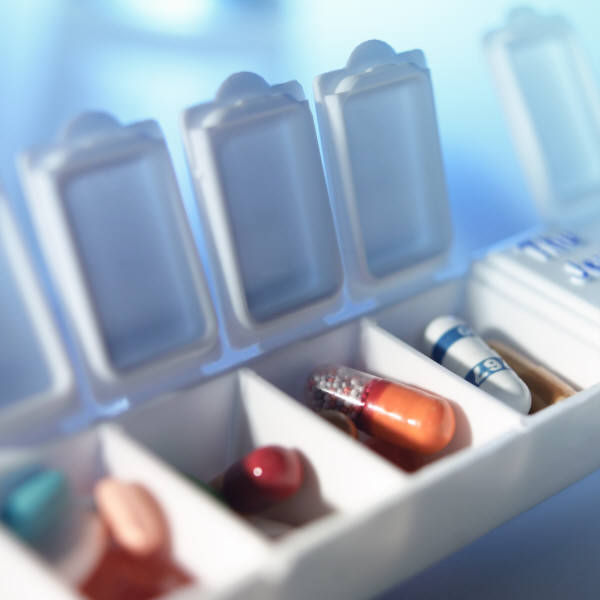
Approximately 700,000 visits to the emergency room were linked to drug-related poisoning in 2007, according to a new study published February 28 on the Nationwide Children's Hospital website. Researchers found that 44 percent of poisonings were caused by prescription medications such antidepressants and opioid pain relievers.

The study found that, on average, 1,900 people per day were sent to the emergency room due to drug overdoses. According to researchers at the Center for Injury Research and Policy of the Research Institute at Nationwide Children's Hospital, the cost associated with these visits totals approximately $1.4 billion per year.

Pills

Antibiotic Resistance: Don't Flush Your Drugs!

Image
© UnknownThink it's a good idea to flush your antibiotics when they expire? Think again! Flushing any medication risks contamination of our drinking water.
What you flush down the toilet can end up your drinking water.

Out-dated pharmaceuticals or prescription medicine that you no longer need can be tricky to get rid of. If you throw pharmaceuticals away in the trash, they could end up in the hands of a child or have dire consequences if consumed by a pet, which is why most people have a tendency to flush them down the toilet.

In 2002, a US Geological Survey found pharmaceuticals in 80% of the 139 US streams that they sampled. This survey implies drug residue circulating freely through groundwater, lakes, and rivers. (1)

Info

Enzyme Can Strengthen Old Memories

Image
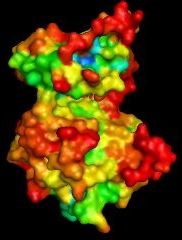
© Todd Sacktor, M.D., SUNY Downstate Medical Center3D rendering of PKMzeta molecule.
Precious memories need not fade if a report today bears fruit. Neuroscientists have successfully strengthened old memories in rats, according to research published today in Science.

A handful of substances can strengthen memories as they're being made. But a greater aim for neuroscientists is to learn how to enhance existing, older memories, such as where you live or your grandson's name -- memories often lost because of dementia or amnesia.

Info

A Growing Debate: How To Define 'Organic' Food

Image
© Keri Pickett/HorizonCows graze at a Horizon Organic farm in eastern Maryland. Even though the milk produced here is deemed organic, a very small percentage of corn used to feed the animals may contain genetically modified material because of unavoidable cross-pollination between genetically modified corn and the organic variety.
Just over a month ago, the Department of Agriculture announced that it will allow American farmers to plant genetically engineered alfalfa, which is widely used as feed for dairy cows and horses.

Organic food producers opposed the USDA's decision - some more fiercely than others. That split has provoked angry debates within the organics community, with some activists accusing organic businesses of "surrendering" to the biotech company Monsanto. And it has reopened some old arguments about what's most important in the label "organic."

The cause of this dispute is not easily visible, at first, in the rolling pastures of an organic dairy operated by Horizon Organic near Kennedyville, in eastern Maryland. During the summer, the farm's cows graze on hundreds of acres of pasture.

But the grass doesn't grow in wintertime, so on this February day, the cows are eating inside. Farm manager Dudley McHenry explains that the animals eat a mixture of corn silage, clover, alfalfa, corn, soybeans and a grass called triticale. And there's a tiny bit of something in that feed - mainly in the corn - that's provoking the current disagreements among people who all describe themselves as defenders of organic farming.

Magnify

Mustard Seed Puts the Heat on Bladder Cancer

Image
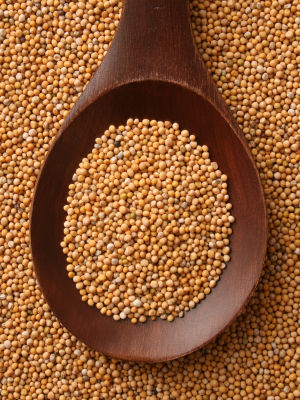
© n/aMustard Seeds
Mustard seed powder stops bladder cancer cell growth and invasion of surrounding tissues in rats.

A study with rats finds a plant compound abundant in mustard, horseradish and wasabi stopped the growth of bladder cancer by one-third and completely prevented metastasis - the cancer invasion of surrounding muscle tissue. Additionally, the food tested - in this case, a mustard seed powder that naturally contains the allyl isothiocyanate (AITC) compound - was more effective at controlling the cancer than the purified form.

These animal findings show - at least in this case - that bladder tumors can be kept from spreading outside of the bladder. These new findings bolster others that show mustard seed has anti-cancer properties and support a rich history of its use in traditional Chinese and folk medicines. The authors suggest that further clinical "evaluation of this substance is warranted."

Heart

Capsaicin could stop a heart attack in progress, scientists find

Image
© Unknown
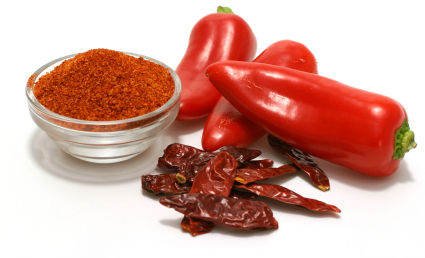
Got heart trouble? Having a heart attack? Try Cayenne pepper. It will stop a heart attack in its tracks. Cayenne pepper is a very powerful vasodilator . It works faster than aspirin and has no side effects. Sprinkle a capsule worth in your Green tea. Use a tea spoon in hot water and drink it down in case of chest pain and oncoming heart attack.

Yes, the effect of cayenne pepper on your body is dramatic, even literally instant and no more so than with the heart. Cayenne pepper's benefits is one of the things that brought you to this article so now let's discuss the phenomenal healing properties of cayenne pepper with the human heart.

Health

"Science Was Subverted" When Toxic Pesticide Was Approved

Methyl Iodide
© Delicious Truth

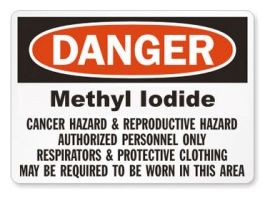
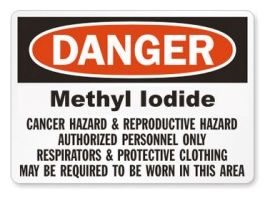
Basic science was ignored when California approved the use of methyl iodide, a cancer-causing pesticide, said scientist John Friones at an environmental safety hearing last week.

California berry growers are hoping to use methyl iodide, a registered carcinogen, to kill weeds and eliminate soil disease in their fields. It was developed as a replacement for another chemical that had a damaging effect on ozone levels. Activists, however, have fought methyl iodide for years, pointing to its danger for farmworkers and the general public.

In 2007, fifty-four scientists, including Nobel prize winners, famously intervened as the EPA prepared to approve the chemical, calling methyl iodide one of the most toxic chemicals used in industry.

To investigate concerns, the California Department of Pesticide Regulation (DPR) convened an independent Scientific Review Committee, headed by Dr. Friones and others. The results of the investigation were clear: "any anticipated scenario for the agricultural ... use of this agent would ... have a significant adverse impact on the public health," said the committee's assessment.

The DPR, however, ignored the findings and approved the chemical for commercial use at a level 100 times higher than recommended by the committee. The DPR pointed to risk management strategies that could reduce the chemical's harmfulness.

But trying to reduce one of the Earth's most toxic chemicals through basic risk management strategies is "utopian ... fanciful and even ludicrous," said Dr. Friones in this week's hearing.

Info

Why You Need to Detoxify 24 Hours a Day

Image
I want to change what you think about detoxification.

Let me explain.

When I talk about detoxification, I don't mean making an appointment to get your colon cleansed or going on a fast.

Because detoxification is not some part-time gig.

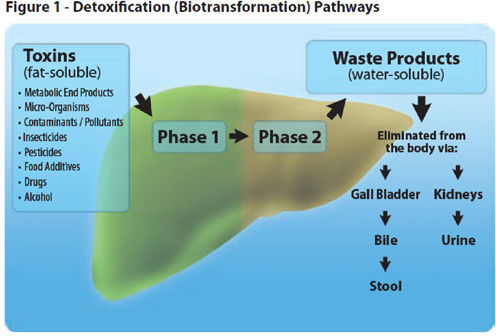
Detoxification is a full-time job for your body; a natural, ongoing process that happens 24 hours a day, 7 days a week.

And with all the toxins and stress in the modern world, it is a lot of work.

Comment: For more information about the importance of detoxing the body for better health and wellness read the following threads on the forum:

Anti-Candida, Inflammation, Heavy Metals Detox and Diet
Detoxification: Heavy Metals, Mercury and how to get rid of them
Detoxify or Die Cookbook


Question

What's Living in Your Digestive System?

Image
© Huffington Post
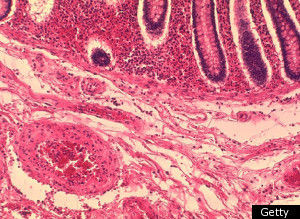
If you think intestinal parasites only lead to gut disturbances such as upset stomach and diarrhea, think again. Because problems that happen in your stomach don't stay in your stomach.

I revealed how two common intestinal parasites can cause mystery illnesses; Giardia with chronic fatigue and Cryptosporidium, with diarrhea, in my earlier post Intestinal Parasites May Be Causing Your Energy Slump.

But there are many other surprising effects of intestinal parasitic infection that often occur outside your digestive system.

Cookie

Once a Villain, Coconut Oil Charms the Health Food World

Image
© Andrew Scrivani for The New York TimesCoconut-oil-roasted sweet potatoes; the oil enhances their caramelized flavor.
A few years ago I noticed something odd at the health food store. There, rubbing elbows with the extra-virgin olive oil and cold-pressed canola oil was virtually the last fat I expected to see in such esteemed company: coconut oil.

The last time I checked, coconut oil was supposed to be the devil himself in liquid form, with more poisonous artery-clogging, cholesterol-raising, heart-attack-causing saturated fat than butter, lard or beef tallow.

Its bad reputation caused a panic at the concession stands back in 1994, when the Center for Science in the Public Interest put out a study claiming that a large movie-theater popcorn, hold the butter, delivered as much saturated fat as six Big Macs. "Theater popcorn ought to be the Snow White of snack foods, but it's been turned into Godzilla by being popped in highly saturated coconut oil," Michael Jacobson, the executive director of the center, a consumer group that focuses on food and nutrition, said at the time.

So given all this greasy baggage, what was coconut oil doing in a health food store? In fact, it has recently become the darling of the natural-foods world. Annual sales growth at Whole Foods "has been in the high double digits for the last five years," said Errol Schweizer, the chain's global senior grocery coordinator.