Health & WellnessS


Info

Study: Most Plastics Leach Hormone-Like Chemicals

Image
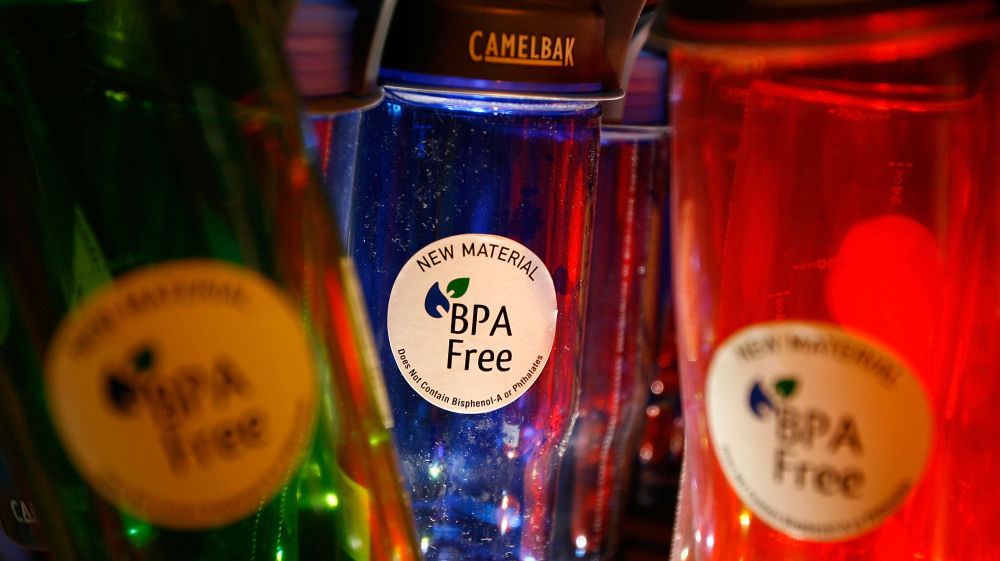
© David McNew/Getty ImagesMakers of water bottles, including Camelback, now sell products that don't contain BPA, a chemical that can mimic the sex hormone estrogen. But a new study says that even if they don't contain BPA, most plastic products release estrogenic chemicals.
Most plastic products, from sippy cups to food wraps, can release chemicals that act like the sex hormone estrogen, according to a study in Environmental Health Perspectives.

The study found these chemicals even in products that didn't contain BPA, a compound in certain plastics that's been widely criticized because it mimics estrogen.

Many plastic products are now marketed as BPA-free, and manufacturers have begun substituting other chemicals whose effects aren't as well known.

But it's still unclear whether people are being harmed by BPA or any other so-called estrogenic chemicals in plastics. Most studies of health effects have been done in mice and rats.

The new study doesn't look at health risks. It simply asks whether common plastic products release estrogen-like chemicals other than BPA.

Info

Wrongly Convicted? The Case for Saturated Fat

Image
© naotakem (Flickr) A porterhouse steak has 16 grams of saturated fat. Should you care?
Recently the Harvard School of Public Health issued its criticism of the new USDA 2010 Dietary Guidelines for Americans, complaining that among other things, the new guidelines were too soft on red meat. It points out that a porterhouse steak has 44 grams of fat, 16 of which are saturated fats, and that should mean eating red meat sparingly.

Sally Fallon Morell, president of the Weston A. Price Foundation, disagrees and faults the guidelines for continuing to demonize saturated fats based on unsound science.

"The proposed 2010 USDA Dietary Guidelines perpetuate the mistakes of previous guidelines in demonizing saturated fats and animal foods rich in saturated fatty acids such as egg yolks, butter, whole milk, cheese, fatty meats like bacon and animal fats for cooking. The current obesity epidemic emerged as vegetable oils and refined carbohydrates replaced these healthy, nutrient-dense traditional fats. Animal fats supply many essential nutrients that are difficult to obtain from other sources," explained Ms. Morell.

Evil Rays

X-Rays and Unshielded Infants

Image
© Piotr Redlinski/The New York Times“I was mortified. Full, unabashed, total irradiation of a neonate. This poor, defenseless baby.” Dr. Salvatore J. A. Sclafani, left, Chief of Radiology, SUNY Downstate Medical Center
It was well after midnight when Dr. Salvatore J. A. Sclafani finally hit the "send" button.

Soon, colleagues would awake to his e-mail, expressing his anguish and shame over the discovery that the tiniest, most vulnerable of all patients - premature babies - had been over-radiated in the department he ran at State University of New York Downstate Medical Center in Brooklyn.

A day earlier, Dr. Sclafani noticed that a newborn had been irradiated from head to toe - with no gonadal shielding - even though only a simple chest X-ray had been ordered.

"I was mortified," he wrote on July 27, 2007. Worse, technologists had given the same baby about 10 of these whole-body X-rays. "Full, unabashed, total irradiation of a neonate," Dr. Sclafani said, adding, "This poor, defenseless baby."

Gear

If You Eat Organic Food, Have You Just Been Betrayed?


Organic consumers and producers in the U.S. are facing betrayal. A self-appointed group of "Organic Elites", including Whole Foods Market, Organic Valley, and Stonyfield Farm, are surrendering to Monsanto.

Top executives from these companies publicly stated several weeks ago that they support the so-called "coexistence" of organics with genetically modified (GM) crops.

The Organic Consumers Association has asserted that Whole Foods sent a misleading e-mail to its customers on Jan. 21in which they gave the green light to USDA bureaucrats to approve the "conditional deregulation" of Monsanto's genetically engineered, herbicide-resistant alfalfa. However, after sharp criticisms from the OCA and their customers, and in the wake of USDA's unrestricted approval of GE alfalfa and sugar beets, the leaders of the organic industry seem to have changed their tune, issuing strong statements against the USDA approval last week.

Bell

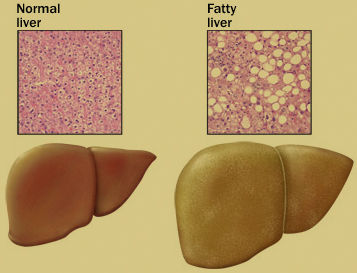
Low carbohydrate diet very quickly effective for getting fat out of the liver

Image
Yesterday my blog focused on some recent research which showed cholesterol levels had little or no relationship with what is known as 'ischaemic stroke' - essentially 'heart attacks of the brain'. On the other hand, a strong relationship was found between this most common form of stroke and levels of blood fats known as triglycerides.

As I mentioned in this blog, triglycerides can be made in the liver in response to eating carbohydrate. Fat formed in this way can, after being disassembled, make its way into the fat cells. High levels of the hormone insulin increases the absorption of fat uptake by at cells. So, in short, carbohydrate can stimulate the product of fat in the liver and also enhance the chances of it getting dumped in our fat cells.

However, if the liver makes fat fast enough, there's a risk that it will accumulate in the liver. In time, the results is 'fatty liver' - also known as non-alcoholic fatty liver disease (NAFLD). Further down the track, the liver can become subject to fibrosis and even cirrhosis. Foie gras is fatty liver. What is it that geese are force-fed in order to produce this? The answer is grain (carbohydrate).

Health

High cholesterol does not cause stroke (but carbohydrate does)

Image
We'll probably all be familiar with the idea that raised cholesterol levels cause heart disease. The idea here is that high levels of cholesterol cause fatty deposits on the inside of the arteries around the heart. If one or more of vessels should block off completely, the heart muscle is starved of blood and, if this persists, the part of the heart supplied after the point of blockage will die. This is what a heart attack is, and the technical term for it is a 'myocardial infarction'.

Narrowing of arteries doesn't just occur around the heart. It can happen in other vessels too including those that supply blood to the brain. Blocking off of these vessels here can cause what is known as a stroke. However, a minority of strokes are caused not by blockage of vessels, but by bleeding from them. These two types of stroke are called 'ischaemic stroke' and 'haemorrhagic stroke' respectively.

In a way, we can think of ischaemic strokes as a 'heart attack of the brain'. So, we might expect there to be about as strong a relationship between cholesterol levels and risk of stroke as there is said to be between cholesterol levels and risk of heart attack. Actually, previous research has found very weak or non-existent relationships between cholesterol levels and stroke [1,2]. The suggestion here, therefore, is that cholesterol does not cause strokes. In which case, it's unlikely to cause heart attacks either.

Eagle

Gut Bacteria Can Control Organ Functions

Image
Bacteria in the human gut may not just be helping digest food but also could be exerting some level of control over the metabolic functions of other organs, like the liver, according to research published this week in the online journal mBio®. These findings offer new understanding of the symbiotic relationship between humans and their gut microbes and how changes to the microbiota can impact overall health.

"The gut microbiota enhances the host's metabolic capacity for processing nutrients and drugs and modulates the activities of multiple pathways in a variety of organ systems," says Sandrine Claus of the Imperial College of London, a researcher on the study.

Claus and her colleagues exposed germ-free mice to bedding that had previously been used by conventional mice with normal microbiota and followed their metabolic profiles for 20 days to observe changes as they became colonized with gut bacteria.

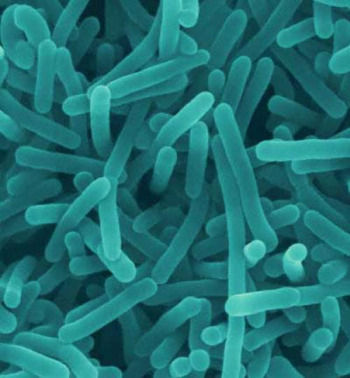
Over the first 5 days after exposure, the mice exhibited a rapid increase in weight (4%). Colonization also triggered a number of processes in the liver in which sugars (glucose) are converted to starch (glycogen) and fat (triglycerides) for short-term and long-term energy storage. Statistical modeling between liver metabolic functions and microbial populations determined that the levels of glucose, glycogen and triglycerides in the liver were strongly associated with a single family of bacteria called Coriobacteriaceae.

"Here we describe the first evidence of an in vivo association between a family of bacteria and hepatic lipid metabolism. These results provide new insights into the fundamental mechanisms that regulate host-gut microbiota interactions and are of wide interest to microbiological, nutrition, metabolic, systems biology and pharmaceutical research communities," says Claus.

Magnify

Scientists Under Attack - Genetic Engineering in the Magnetic Field of Money (Trailer)

Árpád Pusztai and Ignacio Chapela have two things in common. They are distinguished scientists and their careers are in ruins. Both scientists choose to look at the phenomenon of genetic engineering. Both made important discoveries. Both of them are suffering the fate of those who criticise the powerful vested interests that now dominate big business and scientific research.


Statements made by scientists themselves prove that 95% of the research in the area of genetic engineering is paid by the industry. Only 5% of the research is independent. The big danger for freedom of science and our democracy is evident. Can the public -- we all -- still trust our scientists?

Cow

SOTT Focus: Why Milk Is So Evil

Image
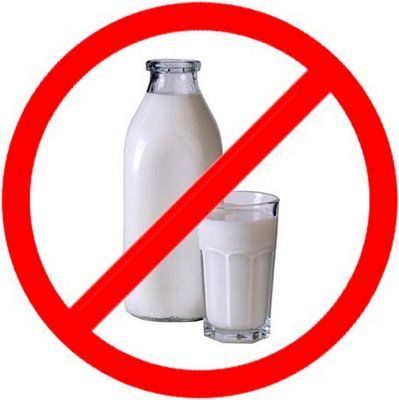
Dairy products - including all milk products, milk, cheese, cottage cheese, yogurt, kefir, ice-cream, etc. - are related to all kinds of diseases including cardiovascular diseases, autoimmune diseases, cancer, allergies, asthma, digestive diseases, thyroid problems, neurological diseases, etc. The list is unlimited and I wish I could include it here, but for the sake of space let's concentrate on why this is so.

Milk can cause problems in several ways:
  • through sensitivity to the protein casein which creates havoc in our bodies in a similar way that gluten from wheat and other grains does.
  • through milk allergies which can juxtapose with the previous problem.
  • through lactose intolerance.
  • through the food livestock eats which can have, among other things, toxic lectins from consumed grains or GMO foods. Livestock can have hormones, antibiotics, pesticides, infections, etc. also
  • through other problems as well
Let's cover the basic principles of each problem.

Better Earth

US teens and young adults having less sex, study says

Image
© AP
Atlanta - Fewer teens and young adults are having sex, a government survey shows, and theories abound for why they're doing it less. Experts say this generation may be more cautious than their predecessors, more aware of sexually spread diseases. Or perhaps emphasis on abstinence in the past decade has had some influence.

Or maybe they're just too busy.

"It's not even on my radar," said 17-year-old Abbey King of Hinsdale, Ill., a competitive swimmer who starts her day at 5 a.m. and falls into bed at 10:30 p.m. after swimming, school, weight lifting, running, more swimming, homework and a volunteer gig working with service dogs for the disabled.

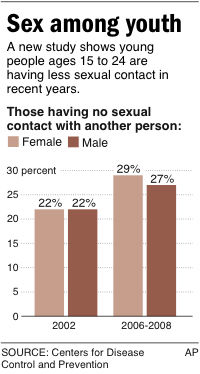
The study, released Thursday, is based on interviews of about 5,300 young people, ages 15 to 24. It shows the proportion in that age group who said they'd never had oral, vaginal or anal sex rose in the past decade from 22 percent to about 28 percent.