Health & WellnessS


Whistle

The Myth of Vaccine Safety and Effectiveness

Image
© amazing-glutathione.com
In an article published on September 28, 2011 by Activist Post, Eileen Dannemann of Vaccine Liberation Army rips a hole in the long-standing claim by the vaccine and medical establishment that the mercury in vaccines is safe due to the specific compound being used.

At the forefront of the debate is the use of Thimerosal , a mercury-based preservative used in many different vaccines, particularly in flu shots. Thimerosal is made up of 49.6% mercury which is a known neurotoxin. In fact, the EPA has declared the toxicity limit of mercury to be as small an amount as .1 mcg. However, the annual flu shot contains as much as 25 mcg by virtue of the Thimerosal preservative. This is 250 times higher than the limit of toxicity set by the EPA.

There is no logical ability to deny the fact that mercury is harmful to brain function and development, particularly on those who are developing. However, for some time, vaccine developers have argued that the specific compound of mercury (ethylmercury) being used in vaccines is much safer than the more well-known form of mercury (methylmercury) whose dangers are both documented and admitted by everyone.

Monkey Wrench

Busting Monsanto's 'Better' Broccoli

Image
© GristMonsanto's "naturally better" broccoli
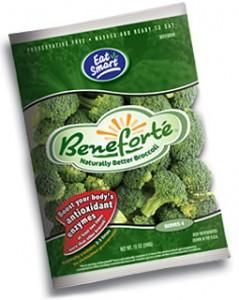
Many of us are familiar with Monsanto the seed giant, but who knew the company was making a new ready-to-eat packaged broccoli? The new product is called Beneforté, and it quietly launched last October. This vegetable is not genetically modified (i.e. no pesticides were engineered into its genes), but rather a hybrid of commercial broccoli with a variety native to southern Italy.

Advertised with a "naturally better broccoli" tag line, the selling point pitched at the health conscious is that "it boosts the body's antioxidant enzymes at least 2 times more than other broccoli." Specifically, one serving of Beneforté broccoli "naturally contains 2 - 3 times the phytonutrient glucoraphanin [a type of glucosinolate] as a serving of other leading broccoli varieties produced under similar growing conditions."

Info

Interview with 'Wheat Belly' Author Dr. William Davis

Image
© amazon.com
You all (or y'all, as we say around these parts) submitted so many good questions for Wheat Belly author Dr. William Davis, we decided to make this a two-part Q & A.

Fat Head: You're a cardiologist by profession, and yet you just wrote an in-depth book about the negative health effects of consuming wheat. How did wheat end up on your radar? What first made you suspect wheat might be behind many of our modern health problems?

Comment: For more information about the evil effects of wheat on human health and wellness contained in Dr. Davis' book Wheat Belly read the following review: Book Review: Wheat Belly


Syringe

Vaccines Have Serious Side Effects - The Institute of Medicine Says So!

Image
As I have long stated, and the Institute of Medicine (IOM) now admits:
"Vaccines are not free from side effects, or "adverse effects"
This admission came after a review of more than 1,000 vaccine studies, which was intended to assess the scientific evidence in the medical literature about specific adverse events associated with eight vaccines for measles, mumps, rubella (MMR); varicella (chickenpox); influenza; hepatitis A; hepatitis B; HPV; diphtheria, tetanus, acellular pertussis (DtaP); and meningococcal. The adverse events selected for IOM review were ones for which people had submitted vaccine injury claims to the federal Vaccine Injury Compensation Program (VICP). A convincing causal relationship was found for 14 adverse events and certain vaccines.

Ambulance

Vitamin D deficiency prevalant in cancer patients

Image
© Unknown
More than three-quarters of cancer patients have insufficient levels of vitamin D (25-hydroxy-vitamin D) and the lowest levels are associated with more advanced cancer, according to a study presented on October 2, 2011, at the 53rd Annual Meeting of the American Society for Radiation Oncology (ASTRO).

"Until recently, studies have not investigated whether vitamin D has an impact on the prognosis or course of cancer. Researchers are just starting to examine how vitamin D may impact specific features of cancer, such as the stage or extent of tumor spread, prognosis, recurrence or relapse of disease, and even sub-types of cancer," Thomas Churilla, lead author of the study and a medical student at the Commonwealth Medical College, Scranton, Pa., said.

Attention

Fat Tax For Denmark, More Countries To Follow?

Fat Tax
© redOrbit

Denmark - known for its propensity for fatty, rich foods - will now require its residents to pay a bit more for the privilege of tucking into chips and fried foods. A so-called "fat tax" has been enacted by Denmark's outgoing government in a bid to limit the population's intake of fatty foods, The Guardian is reporting.

Everything from milk to oils, meats and pre-cooked foods such as pizzas will be targeted with the additional revenue to be used for funding obesity-fighting measures.

Consumers on Saturday, the day before the tax went into effect, hoarded butter, pizza, meat and milk to avoid the immediate price increases. "We have had to stock up with tons of butter and margarine in order to be able to supply outlets," Soeren Joergensen of Arla Distribution told AFP.

"The way that this has been put together is an administrative nightmare, and I doubt whether it will give better health. It's more just a tax," said DI foodstuffs spokeswoman Gitte Hestehave.

Setting prices on domestically produced or imported goods was complicated, with computer systems having to be adjusted, adding many man-hours to administrative tasks for producers and sellers, Hestehave told BBC News.

"Products that include other products that include saturated fats also have to have new prices worked out. Imported goods require a declaration from the producers abroad on exactly how much saturated fat has been used in production."

Bacon

Total Ignorance! Denmark Introduces 'Fat Tax' on Foods High in Saturated Fat

toast,butter,fat
© Luxx Images/Digital Vision/Getty Images

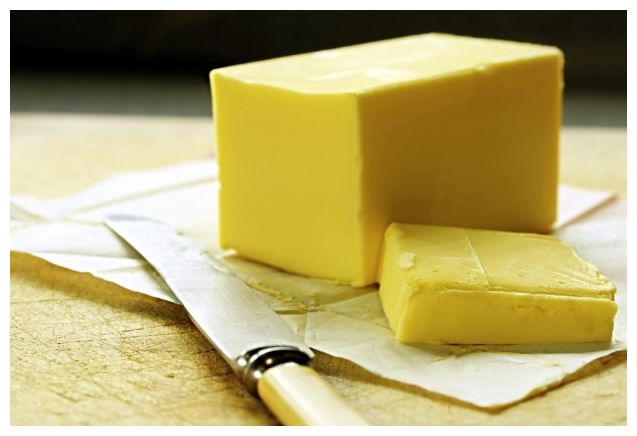
Denmark has introduced what's believed to be the world's first fat food tax, applying a surcharge to foods with more than 2.3 percent saturated fats, in an effort to combat obesity and heart disease.

Danes hoarded food before the tax went into effect Saturday, emptying grocery store shelves. Some butter lovers may even resort to stocking up during trips abroad.

The new tax of 16 kroner ($2.90) per kilogram (2.2 pounds) of saturated fat in a product will be levied on foods like butter, milk, cheese, pizza, oils and meats.

Comment: Saturated Fat is Good for You

Higher saturated fat intakes found to be associated with a reduced risk of dying from cardiovascular disease

Get Saturated: Four Reasons Saturated Fat is Healthy

Now, Saturated Dairy Fat Reduces The Risk of a Heart Attack!


Question

How Are Genetically Engineered Crops Affecting Foods?

Image
© createandshare.net
If you shop in major grocery stores, chances are you're eating genetically modified organisms (GMOs) with your breakfast, lunch, and dinner. An estimated 70 percent of processed foods, including soup and corn chips, contain genetically engineered ingredients, and over 90 percent of the world's GMOs are owned by the biotech goliath Monsanto.

According to the Center for Food Safety, "a number of studies over the past decade have revealed that genetically engineered foods can pose serious risks to humans, domesticated animals, wildlife and the environment. Human health effects can include higher risks of toxicity, allergenicity, antibiotic resistance, immune-suppression and cancer. The use of genetic engineering in agriculture will lead to uncontrolled biological pollution, threatening numerous microbial, plant and animal species with extinction, and the potential contamination of all non-genetically engineered life forms with novel and possibly hazardous genetic material."

Syringe

Institute of Medicine Admits Vaccine Dangers After Review

Image
© Activist Post
Natural health practitioners have long been raising the alarm over the risks of vaccinating, and now the prominent Institute of Medicine (IOM) is agreeing with the claims of top experts that vaccines are not free of dangerous side effects. Accounts of adverse reactions that have resulted in hospitalizations and even cases of death have been reported after vaccine use. Such is the case with the Gardasil vaccine, linked to over 49 deaths. Yet, California legislatures, paid by the manufacturer of Gardasil, are still trying to make it mandatory for all young boys and girls. Still, we're constantly reassured by medical 'experts' that vaccines are not dangerous, despite the vaccine inserts admitting to a slew of adverse side effects, and in some cases even death.

These mainstream medical talking heads assure you that vaccination poses no threat to you or your family, and avoiding vaccination is only putting others who have been vaccinated at risk. Of course that makes no sense, considering that if others are vaccinated they should be protected from the disease in question. They say that vaccination is not an option, it's a duty.

Magnify

How Lobbyists Are Spinning Weak Science to Defend BPA

Image
© creative commons
They're arguing that a new study shows canned foods to be safe, even when lined with BPA. The problem? That's not what the study says.

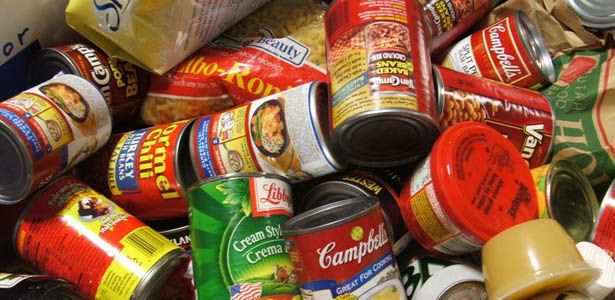
The latest skirmish in the battle over bisphenol A (BPA) - the synthetic chemical used to make polycarbonate plastics, to make the epoxy resins that line food and beverage cans, and as developers in thermal receipt papers - came last week when the Breast Cancer Fund, an Oakland-based non-profit, released the results of its testing for BPA in canned food marketed to children (PDF). The report found BPA in Campbell's Disney Princess Cool Shapes, Toy Story Fun Shapes Pasta in chicken broth, Spaghettios With Meatballs, Earth's Best Organic Elmo Noodlemania Soup, Chef Boyardee Whole Grain Pasta Mini ABCs &123s With Meatballs, and Annie's Homegrown Organic Cheesy Ravioli at levels that ranged between 13 and 114 parts per billion, levels that have been shown to be biologically active, meaning they're high enough to interact with and affect our cells.

In response, the North American Metal Packaging Alliance (NAMPA), a trade association representing the food-and-beverage metal-packaging industry, fired off a press release citing a study ostensibly showing that there's no health risk from BPA exposure through canned food.