© redOrbit
In 1904, journalist Upton Sinclair went undercover at a Chicago meat packing plant to investigate and research the lives of immigrant laborers. He worked for 7 weeks incognito in the Chicago stockyards, gathering information about what he saw. The end result was less of a story about immigrant workers and more of a shocking realization about the state of America's meat packing industries and the working conditions therein.
The Jungle, released in 1906, shocked an entire nation, and soon calls went up to the White house to address the issues raised in Sinclair's tell-all novel. The
Federal Meat Inspection Act was quickly passed, followed by the
Pure Food and Drug Act of 1906, which laid the foundation for what would eventually become the Food and Drug Administration in 1930.
How interesting, then, as similar issues have arisen more than a century later concerning the state of our nation's food industry and a federal agency set in place in order to protect us.
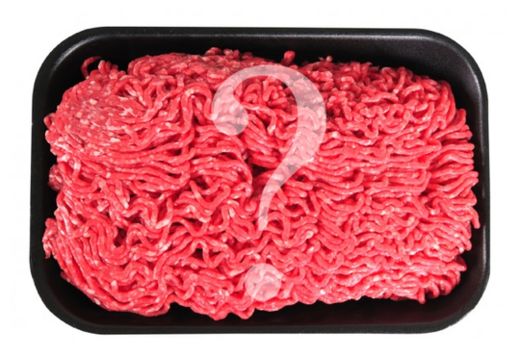
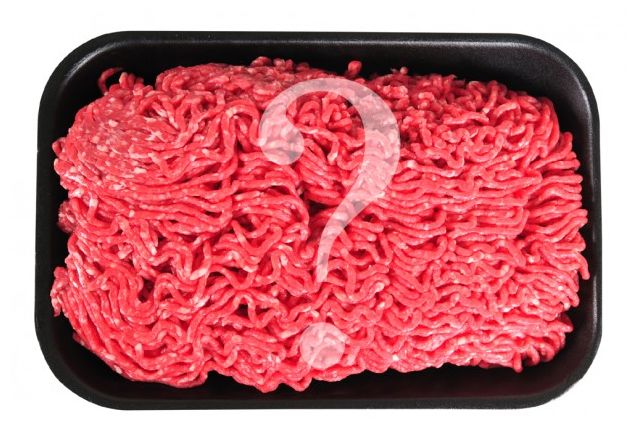
Jamie Oliver, a modern day Sinclair, has been raising awareness about a now-common food processing practice that gets the nod of approval from the
FDA. With help from a large television audience and social media, Oliver has our nation outraged over the use of pink slime in our ground beef, and as these companies struggle to deal with the hefty amounts of bad press they've been receiving, news has surfaced of
sizable donations made by these beef companies to political parties, presumably for their protection.
The phrase "You never want to know how the sausage is made" has never rung more true than it does right now. However, as an ever growing nation (both in population and girth) demands more from our food industry, are we allowed to get upset when federal agencies begin to use methods such as these to bring fast and cheap meat to our tables?

















Comment: Acne can also be treated by a change in diet. See:
Acne, Mental Health, and Diet
Paleo Diet: Got acne? Go primal