
Currently, suboptimal breastfeeding is associated with over a million deaths each year and 10% of the global disease burden in childrenThe review also highlighted an embarrassing fact of US history:
On 21 May 1981 the WHO International Code of Marketing Breast Milk Substitutes (hereafter referred to as the Code) was passed by 118 votes to 1, the US casting the sole negative vote. The Code arose out of concern that the dramatic increase in mortality, malnutrition and diarrhoea in very young infants in the developing world was associated with aggressive marketing of formula. The Code prohibited any advertising of baby formula, bottles or teats and gifts to mothers or 'bribery' of health workers.[1]
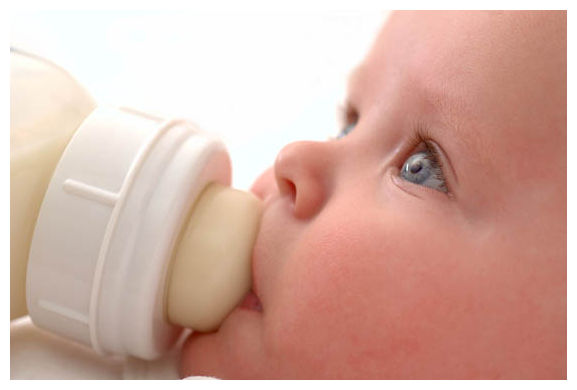
© GreenMedInfo
Could the lack of US support and implementation for breastfeeding initiatives such as this be a major factor in why our nation, 30 years later, has one of the worst infant mortality rates in the developed world (29th), tying Slovakia, but lagging behind Cuba?[2]
Presently, less than 5% of U.S. infants are born in "Baby-Friendly" hospitals, "a global designation that indicates best practices in maternity care to support breastfeeding mothers," according to the CDC's website.[3] This is one reason why only 14.8% of infants born in the US are exclusively breastfed at 6 months, and only 35.% at 3 months. Conversely, 25.4% are never breastfed, with 24.5% of breastfed infants receiving formula before 2 days. [4]
According to statistics from 2010, the United States and Western Europe account for 33% of the global infant formula market, which consists of 2,260,000,000 lbs of product worth 11.5 billion US dollars. [5]
And here is a major point in need of differentiation: is the aforementioned global burden of infant mortality associated solely with a lack of breastfeeding, or, rather, does it not also reveal the potential lethality of the milk substitutes being provided and promoted?








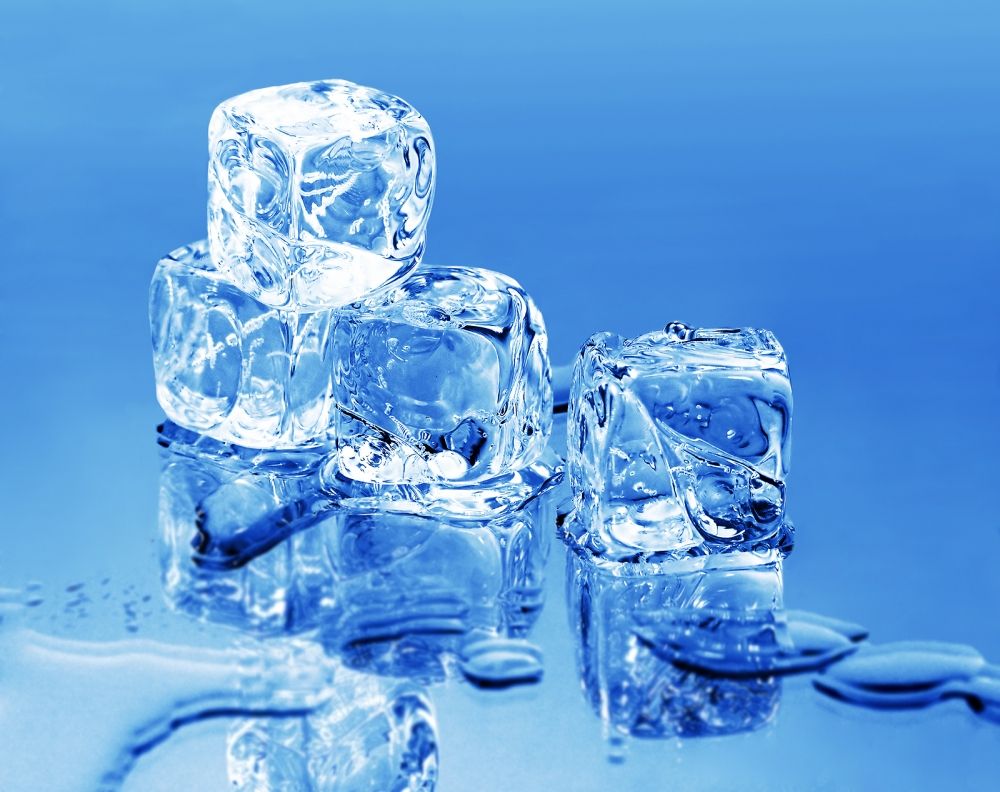



Comment: Cold therapy is also being used to boost immune response, ease chronic pain, heal nerve damage, and even improve sporting performance.
Big chill: the hidden medical benefits of cryotherapy
US: Some Athletes Like it Cold - Real Cold