Health & WellnessS


Alarm Clock

New CSIRO GMO wheat can silence human genes, cause early death

field of wheat
© Unknown
Two Australian researchers have found that CSIRO-developed GMO wheat which was created to silence particular genes within the crop can also silence certain rNA and DNA sequences in the human body, causing fatality as early as age five or six. The researchers are calling the GMO wheat a 'safety' issue, which requires more profundity before the genetically modified crop is planted in more areas of Australia and offered in products in grocery stores.

Professor Jack Heinemann of the University of Canterbury, NZ, and Associate Professor Judy Carman, a biochemist at Flinders University, released their expert scientific opinions on the safety of CSIRO's GM wheat at a press conference in Melbourne. The Safe Food Foundation & Institute has a video of their conference, here.

While studies on the wheat have been released by CSIRO, the scientists point out that there are some grave holes in the overall assessment of the crop that have serious repercussions for people who consume it.

Info

Study provides strongest clues to date for causes of schizophrenia

A new genome-wide association study (GWAS) estimates the number of different places in the human genome that are involved in schizophrenia.

In particular, the study identifies 22 locations, including 13 that are newly discovered, that are believed to play a role in causing schizophrenia.

"If finding the causes of schizophrenia is like solving a jigsaw puzzle, then these new results give us the corners and some of the pieces on the edges," said study lead author Patrick F. Sullivan, MD. "We've debated this for a century, and we are now zeroing in on answers."

"This study gives us the clearest picture to date of two different pathways that might be going wrong in people with schizophrenia," Sullivan said. "Now we need to concentrate our research very urgently on these two pathways in our quest to understand what causes this disabling mental illness."

Sullivan is a professor in the departments of Genetics and Psychiatry and director of the Center for Psychiatric Genomics at the University of North Carolina School of Medicine. The new study was published online Sunday, Aug. 25, 2013 by the journal Nature Genetics.

Pills

Study shows connection between intake of omega-3 fatty acids and decline in ADHD symptoms in rats

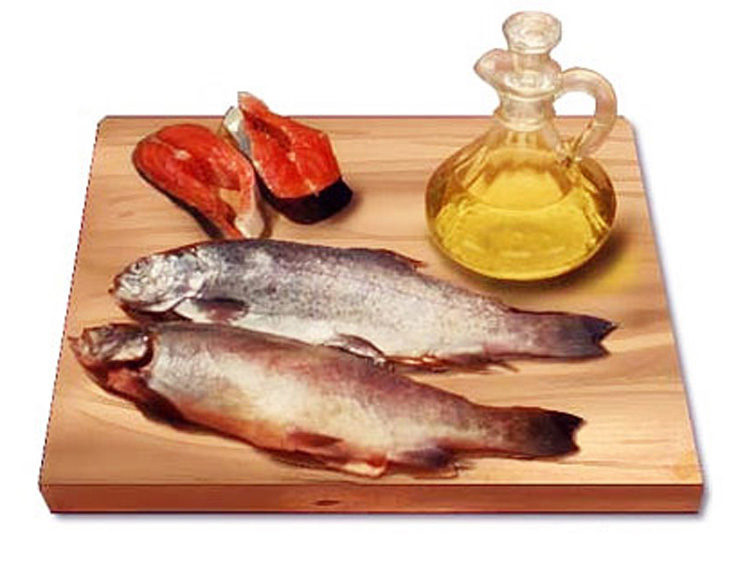
Omega 3
© GoogleLa dieta puede evitar que el cerebro sufra una contracción relacionada con el Alzheimer.
A new multidisciplinary study shows a clear connection between the intake of omega-3 fatty acids and a decline in ADHD symptoms in rats.

Researchers at the University of Oslo have observed the behaviour of rats and have analyzed biochemical processes in their brains. The results show a clear improvement in ADHD-related behaviour from supplements of omega-3 fatty acids, as well as a faster turnover of the signal substances dopamine, serotonin and glutamate in the nervous system. There are, however, clear sex differences: a better effect from omega-3 fatty acids is achieved in male rats than in female.

Unknown biology behind ADHD

Currently the psychiatric diagnosis ADHD (Attention Deficit/Hyperactivity Disorder) is purely based on behavioural criteria, while the molecular genetic background for the illness is largely unknown. The new findings indicate that ADHD has a biological component and that the intake of omega-3 may influence ADHD symptoms.

"In some research environments it is controversial to suggest that ADHD has something to do with biology. But we have without a doubt found molecular changes in the brain after rats with ADHD were given omega-3," says Ivar Walaas, Professor of Biochemistry.

The fact that omega-3 can reduce ADHD behaviour in rats has also been indicated in previous international studies. What is unique about the study in question is a multidisciplinarity that has not previously been seen, with contributions from behavioural science in medicine as well as from psychology, nutritional science and biochemistry.

Comment: Omega 3 deficiencies have been shown to have a deleterious effect on health in many studies. Considering the fact that the Standard Western Diet has been shown to be seriously lacking in most vital nutrients while containing a plethora of toxic substances, it is not surprising that there has been a surge in ADHD. The good news is that improving diet and supplementing with essential nutrients may help improve not only ADHD but a host of other conditions.
New Study Links DHA Type of Omega-3 to Better Nervous System Function
Low Omega-3's Linked to Brain Aging
Omega-3 Deficiencies Linked to Mental Disorders
Neuroscience of nutrition: A deficiency of dietary omega-3 may explain depressive behaviors
ADHD: It's The Food, Stupid
Study: Western Diet Link to ADHD
Eat like a caveman! 10 celebrities touting the benefits of Paleo diet


Ambulance

The truth about stomach acid: Why low stomach acid is jeopardizing your health

If you have ever watched television during the weeknight evening hours or had your regular radio programming interrupted by some messages from the sponsors, it is likely that you have been inundated with a slew of advertisements for antacids and acid-suppressing drugs, including the "purple pill" (Nexium), Prilosec, Prevacid, Pepcid AC, Zantac, and numerous other medications that lower stomach acid. Understandably, you may be under the impression that the symptoms of heartburn, indigestion, and gastrointestinal acid reflux disease (GERD) are caused by too much stomach acid. As acid-suppressing drugs are among the most commonly used prescription and over-the-counter medications, the pharmaceutical companies are banking on acceptance of the idea that stomach acid is something that needs to be kept in check. However, in the reality that is not controlled by the powerful pharmaceutical industry and the conventional medical system (both of which have an interest in keeping you ill and dependent on medications), stomach acid is not something to be feared! It is much more likely that your symptoms are being caused by low stomach acid, instead of an overproduction of stomach acid.

Why stomach acid is important

Image
In the infinite wisdom of the human body, the stomach was designed to produce the acid that is necessary for proper digestion of food. When functioning properly, the parietal cells of the stomach secrete hydrochloric acid that bring the stomach pH to a range of approximately 1.5 to 3.0. This is strong enough of an acid that if it were to be dropped on a piece of wood, it would burn a hole through the wood. The inner lining of the stomach is protected from its own acid by a thick layer of mucous and epithelial cells that produce a bicarbonate solution (an alkaloid) to neutralize the acid.

Stomach acid has several important roles including:
  • Breakdown of proteins into a form that they can be digested (called proteolysis).
  • Activation of the enzyme pepsin, which is responsible for protein digestion.
  • Inhibiting the growth of microorganisms that enter the body through food to prevent infection.
  • Signaling when the food (referred to as chyme) is ready to leave the stomach and move into the small intestine for continued digestion.

Heart

Research finds 'raised' cholesterol to be associated with a reduced risk of death

Image
"Together, these findings suggest that the current total cholesterol and LDL recommendations advised by doctors and other health professionals are way off beam."
In the UK and Europe generally, it is recommended that levels of cholesterol in the blood should not be above 5.0 mmol/l (= about 190 mg/dl). We are given the impression that having levels above this puts us at increased risk of heart disease - a major 'killer'. However, if this is true, it does not tell the whole story. Because while having a 'raised' cholesterol may be associated with an increased risk of heart disease, it might also be associated with a reduced risk of other conditions.

It is known, for instance, that higher levels of cholesterol are associated with a reduced risk of cancer. And even last week I wrote about some research which suggests that putting downward pressure on cholesterol levels increases the risk of death due to suicide, accidents and violence.

For these reasons, when assessing the relationship between any lifestyle factor and health, it pays to take as wider a view as possible. This is best done by focusing on the relationship the factor has with overall risk of death.

Such a study published recently in the Scandinavian Journal of Health Care makes for some interesting reading, I think [1]. Here, researchers assessed the levels of cholesterol and risk of death in almost 120,000 adults living in Denmark.

The researchers found that having higher than recommended levels of total cholesterol was associated with a reduced risk of death. For instance, in men aged 60-70, compared with those of total cholesterol levels of less than 5.0 mmol/l, those with total cholesterol levels of 5.00-5.99 had a 32 per cent reduced risk of death. For those with levels 6.0-7.99 mmol/l, risk of death was 33 per cent lower. Even in individuals with levels with 8.00 mmol/l and above, risk of death was no higher than it was for those with levels less than 5.0 mmol/l.


Cupcake Choco

Toxic nanoparticles might be entering human food supply

Image
© University of MissouriGraduate student Zhong Zhang applies silver nanoparticles to a piece of fruit. In a recent study, University of Missouri researchers found that these particles could pose a potential health risk to humans and the environment.
Over the last few years, the use of nanomaterials for water treatment, food packaging, pesticides, cosmetics and other industries has increased. For example, farmers have used silver nanoparticles as a pesticide because of their capability to suppress the growth of harmful organisms. However, a growing concern is that these particles could pose a potential health risk to humans and the environment. In a new study, researchers at the University of Missouri have developed a reliable method for detecting silver nanoparticles in fresh produce and other food products.

"More than 1,000 products on the market are nanotechnology-based products," said Mengshi Lin, associate professor of food science in the MU College of Agriculture, Food and Natural Resources. "This is a concern because we do not know the toxicity of the nanoparticles. Our goal is to detect, identify and quantify these nanoparticles in food and food products and study their toxicity as soon as possible."

Comment: Comment: There have been numerous studies indicating the dangers of nanoparticles to health:
Nanoparticles Cause Disruptions in Nutrient Absorption, Could Impact Long-Term Health
Widely Popular Nanoparticles Could Be Giving You Cancer, Nutritional Deficiencies
Nanoparticles used in common household items caused genetic damage in mice
Nanoparticles Cause Brain Injury in Fish


Red Flag

Aspartame: Putting the DIE into dieting since 1981

Image
Male rat with lymphoma following aspartame treatment.
Pushed globally as a beneficial to dieters since its approval in 1981, accumulating research indicates that aspartame may actually damage the brain and cause cancer, to name but a few of a wide range of adverse health effects consumers risk by using this 'no-calorie' sugar alternative.

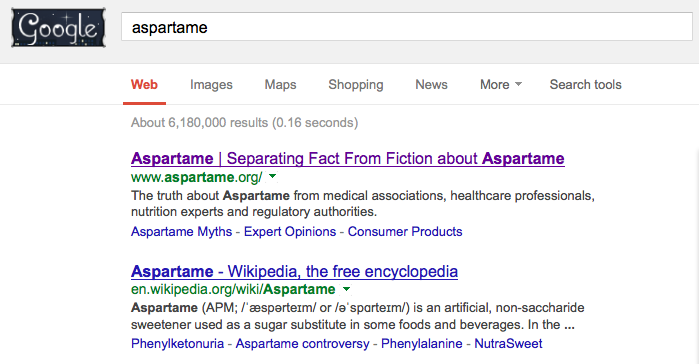
Google "aspartame" and you will find www.aspartame.org/ in search result position #1. Billing itself as an 'Aspartame Information Center,' this website opens with "The Benefits of Aspartame," discussing how as a 'low-calorie' sweetener aspartame helps consumers with weight control, diabetes and the prevention of tooth decay.

Image
The website is the creation of an organization calling itself the Calorie Control Council (CCC), a non-profit association established in 1966 whose public mission is "...to provide an objective channel of scientific-based communications about low-calorie foods and beverages, to assure that scientific and consumer research and information is made available to interested parties."

Beaker

Can a simple blood test reveal your suicide risk?

suicide blood test
A simple test to detect suicidal tendencies? Perhaps...
Mental illnesses are notoriously tricky to diagnose, and many patients suffer in silence until it's too late - too embarrassed or too incapacitated to ask for help. Wouldn't it be amazing if our bodies gave clues to call out problems we find difficult to voice?

Researchers at the Indiana University School of Medicine recently published findings suggesting just that. They've found biomarkers in your blood will reveal thoughts of self-harm you've been concealing. Biomarkers are chemicals that show up in our bodies in response to different illnesses and conditions.

In studies stretching over the past decade, psychiatrist Alexander Niculescu III and his team have worked to find biomarkers that correspond to different psychological states, and their most recent work has been biomarkers that indicate suicidal tendencies. Taking nine male subjects who suffered from bipolar disorder and had experienced a recent, sudden onset of suicidal thoughts, the team was able to identify one protein in the blood - called SAT1 - as a likely candidate. They then compared the results to samples obtained from the blood of men who had actually died from self-inflicted wounds. The same protein was present, and in even higher concentrations.

Bacon n Eggs

Eat like a caveman! 10 celebrities touting the benefits of Paleo diet

Osbourne
© Chris Pizzello/Invision/APJack Osbourne arrives at the Critics' Choice Television Awards at the Beverly Hilton Hotel on Monday, June 10, 2013.
The theory behind the Paleolithic Diet, short-named the Paleo Diet, is that mimicking the diet of our ancestors some 10,000 years ago - prior to the European construction of the agriculture and grain-based diet - is the healthiest way to live.

Also referred to as the caveman diet, Stone Age diet and hunter-gatherer diet, the Paleo Diet is focused on avoiding refined foods, trans fat, dairy and sugar, and consuming lean proteins; fresh vegetables and fruits; and healthy fats through nuts, seeds, avocados, fish oil and grass-fed meat. Among the touted health benefits are improved blood lipids, weight loss, and reduced pain from autoimmunity. And the diet is scientifically proven to help stave off degenerative diseases such as obesity, cancer, diabetes, heart disease, Parkinson's, Alzheimer's, depression and infertility.

In a 2007 study comparing the Mediterranean and Paleo diets, the Paleo Diet group reversed the signs and symptoms of insulin resistant, Type 2 diabetes. Meanwhile the group practicing a Mediterranean Diet experienced little to no improvements.

Comment: Read also:

Some anti-paleo arguments you might encounter and how to refute them
Paleo Diet Works: High Fat Diet reverses the Overloaded,Under-fuelled Condition - A case study
The Unspoken Truth about the Paleo Diet & Weight Loss
The paleo diet explained
A Real Paleo Diet - Grassfed Meat, Fat, and Organ Meats


Question

Ohio man pronounced dead comes back to life after 45 minutes


Bellbrook - A family in Ohio said they've witnessed a medical miracle, and a doctor said he's never seen anything like it.

It was quiet outside of Christ's Church in Bellbrook on Tuesday. It was quiet inside, too.

All ears were on Tony Yahle. For the first time, the 37-year-old spoke out about a series of events that have many people using the word "miracle."

"Nobody really has an explanation for it... medically, anyway," he said.

Earlier this month, Yahle's family found his breathing was off and he didn't have a pulse. Family members did CPR and he was eventaully taken to Kettering Medical Center. The hospital said Yahle was "coded" for 45 minutes as team of medical personnel tried to stimulate his heart.

He was declared dead the afternoon of August 5.