Health & WellnessS


Pills

How India's Patent Office destroyed Gilead's Big Pharma global game plan

Gilead Sciences protests
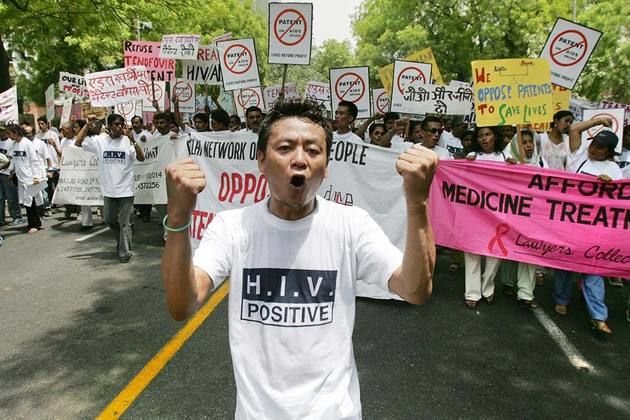
© Manish Swarup/AP PhotoIn 2006, members of the Indian Network for People Living with HIV/AIDS demonstrated in New Dehli against a patent applied for by Gilead Sciences.
Gilead Sciences charges a lot for the hepatitis treatment Sovaldi, which sells for as much as $84,000 to U.S. patients. The innovative medication has become one of the world's best-selling drugs despite its price tag, fueling huge growth at Gilead. The company had revenue of $24.2 billion in 2014, according to analysts' estimates, more than double its sales in 2013. Earnings for last year are projected to reached $12.8 billion, more than four times higher.

But the high price of Sovaldi threatens to make the drug too expensive for many patients with hepatitis C in developing countries such as India, where protesters last year lobbed accusations of gouging and carried signs renaming the company "Killead." In September the U.S. pharmaceutical company announced a licensing deal with seven Indian drugmakers to produce generic versions of Sovaldi that could be sold in 91 countries. That, according to Gilead, would help take care of the problem. "Our view is that the competition and the capabilities of these partners will bring down the price," Gregg Alton, executive vice president, told reporters in New Delhi at the time of the announcement.

Megaphone

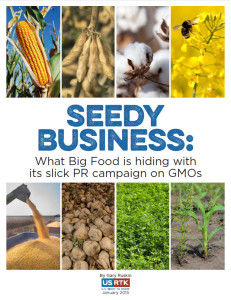
Seedy Business: Big Food is hiding GMOs with a slick public relations campaign

Image
U.S. Right to Know - a new nonprofit organization - released a new report today on Big Food's PR campaign to defend GMOs: how it manipulated the media, public opinion and politics with sleazy tactics, bought science and PR spin.

Since 2012, the agrichemical and food industries have mounted a complex, multifaceted public relations, advertising, lobbying and political campaign in the United States, costing more than $100 million, to defend genetically engineered food and crops and the pesticides that accompany them. The purpose of this campaign is to deceive the public, to deflect efforts to win the right to know what is in our food via labeling that is already required in 64 countries, and ultimately, to extend their profit stream for as long as possible.

This campaign has greatly influenced how U.S. media covers GMOs. The industry's PR firm, Ketchum, even boasted that "positive media coverage has doubled" on GMOs.

Comment: Monsanto hates democracy: Fascism seems to work best:


Alarm Clock

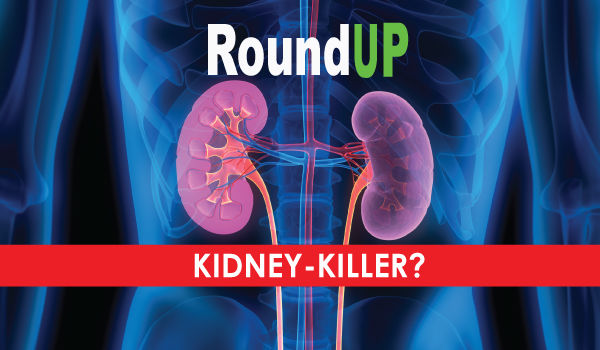
Roundup Herbicide: A Kidney-Killer?

Image

A new observational study confirms the hypothesis that Roundup herbicide (glyphosate) is behind the mysterious global epidemic of chronic kidney disease that has taken thousands of lives.


Back in early 2014, in an article titled Roundup Weedkiller Linked To Global Epidemic of Fatal Kidney Disease, we first reported on a paper proposing a causal link between exposure to the world's most popular herbicide (glyphosate) and a mysterious and deadly kidney disorder afflicting agriculture intensive areas in Sri Lanka.

The paper would eventually garner such widespread attention that it compelled the Sri Lankan government to order a ban on Roundup in March of 2014, but it has since been reported that it is still being made widely available for purchase.

Comment: Make no mistake about the toxic herbicide Roundup's reach, it is present in all tested human and animal samples! Read more frightening information on the cumulative and synergistic toxicity of glyphosate:


Candy Cane

Tuberculosis genomes and human history

tuberculosis poster
From the dawn of agriculture to the fall of the Soviet Union, major events in human history have left marks in the DNA of the bacterium that causes tuberculosis (TB). A study of nearly 5,000 samples of Mycobacterium tuberculosis from around the world shows how a lineage of the bacterium that emerged thousands of years ago in Asia has since become a global killer that is widely resistant to antibiotic drugs.

Although M. tuberculosis probably first emerged some 40,000 years ago in Africa, the disease did not take hold until humans took to farming - with the consequent settling down - says Thierry Wirth, an evolutionary geneticist at the National Museum of Natural History in Paris and lead author of the study.

The grouping together of people in settlements made it easier for the respiratory pathogen to spread from person to person, says Wirth. A previous analysis by his team had shown that the common ancestor of all the M. bacterium strains circulating today began spreading around 10,000 years ago in the ancient Fertile Crescent, a region stretching from Mesopotamia to the Nile Delta that was a cradle of agriculture - enabling lots of people to live in close proximity. "It's basically a dream setting for a bug like TB," says Wirth.


Comment: Settlements may have been a factor for the respiratory pathogen to spread, but an important factor that is ommited is that switching to agricuture weakened immune system dramatically.


Sun

It's time to stop perpetuating the myth that sunlight causes cancer

Sunlight
© PreventDisease.com
An individual's view of health determinants is directly correlated to their sources and how they process information. Regardless of its accuracy, when something is repeated a sufficient number of times, people will start to believe it. The cancer and sunscreen industries have made it their mission to convince the world that sunlight is a primary cause of skin cancer, when it fact it has been shown to prevent it. In fact, considerable evidence shows that blocking the sun's rays from reaching our skin with, for example sunscreen, significantly decreases our uptake of vitamin D levels, leading to higher mortality, critical illness, mental health disorders and cancer itself.

The southern hemisphere is currently experiencing record temperatures raising the mercury to levels many regions have never experienced. Some climatologists have stated that the trend will continue in the northern hemisphere come July. With these hot temperature come extreme warnings from public health officials to slather on the sunscreen to prevent skin cancer and specifically protect us from melanoma.

Is melanoma deadly? It definitely can be. There are more than 70,000 cases in the US alone every year and almost 10,000 people will die of the disease yearly. Melanoma accounts for less than two percent of skin cancer cases, but the vast majority of skin cancer deaths. Of the seven most common cancers in the US, melanoma is the only one whose incidence is increasing. Between 2000 and 2009, incidence climbed 1.9 percent annually. It's also the most common form of cancer for young adults 25-29 years old and the second most common form of cancer for young people 15-29 years old.

Now what's fascinating is the claim by public health watchdogs that almost 90 percent of melanomas are attributed to exposure to ultraviolet (UV) radiation from the sun. They claim that regular daily use of an SPF 15 or higher sunscreen reduces the risk of developing melanoma by 50 percent. Oh really?

What's interesting is how many people never stop to think about how humans survived on this planet for thousands of years working outside for hours on end before the industrial era. There was no sunscreen. There was common sense and people were not getting skin cancer. Oh my, how did we ever make it without sunscreen, drugs, and vaccines for thousands of years and suddenly we can't survive without them? All of these artificial substances do not increase a healthy life expectancy, they increase a diseased life expectancy. People are far more sick and ill today than they ever were a century ago. Yes they are living longer, but at what expense?

By the way if you haven't read my recent article on how fear mongers depend on keeping you in a state of panic for profit, it may help clear up any confusion on their motives moving forward. The scare tactics regarding the sun and UV rays are no exception.

It's also interesting how when traveling from either pole to the equator, UV exposure increases up to 5000% whereas ozone depletion only increases UV exposure by 20%. If UVB exposure and ozone depletion were the cause of skin cancer, those populations living closest to the equator would be diagnosed with malignant melanoma at a phenomenal frequency. The opposite is true.

Whistle

A little bit too late! The FDA admits that over 70% of U.S. chickens contain poisonous arsenic

Image
Hmm... Some chicken with that arsenic.
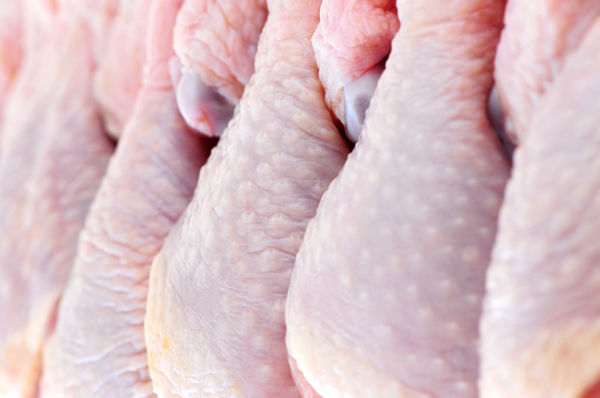
I don't know about the rest of you, but lately my poultry purchases at my local market have become more and more of a "hit-and-miss" situation, with more "misses," if I'm being honest. As I bite into my homemade chicken nuggets or Coq au Vin (when I'm feeling fancy) I can't help but feel that the chicken just tastes weird, stringy, just ... funny. So a few days ago, when I turned on the tube and saw the news headlines stating that the FDA has finally confirmed that chicken meat sold in the USA contains arsenic, my head, and stomach, nearly hit the roof. This cancer-causing toxic chemical, which in high doses could kill you, is actually being added to chicken feed on purpose, giving store-bought chicken the illusion of healthy coloring and plump appearance. Shockingly, this is the case with more than 70 percent of all U.S. chickens! That is just awful!

The FDA has asked Pfizer to stop manufacturing the arsenic-containing drug, Roxarsone, that was found in the livers of nearly half of all chicken tested.

According to The Wall Street Journal: "The agency said it recently conducted a study of 100 broiler chickens that detected inorganic arsenic at higher levels in the livers of chickens treated with 3-Nitro compared with untreated chickens ... Pfizer said sale of 3-Nitro would be stopped by early July in order to allow animal producers to transition to other treatments."

Comment: It's not only Pfizer! Factory poultry farms produce enormous amounts of concentrated waste, and poultry processing byproducts, which are later fed to pigs, cows and fish, are loaded with arsenic. Dangerous concentrations of arsenic in the water supply is a global threat because it induces both genetic and epigenetic changes related to lung cancer and other diseases.


Bacon n Eggs

SOTT Focus: The Health & Wellness Show: 19 January 2015 -- The Vegetarian Myth

Sott Talk Radio logo
The Health and Wellness show on the SOTT Radio Network covers topics of health, diet, science, homeopathy, wellness culture, and more.

This week's show covers The Vegetarian Myth by Lierre Keith, the dangers and detriments of agriculture on the earth's soil and the health detriments of a vegetarian and high carbohydrate diet. The pet health segment covers the top ten lies told by the veterinary industry.

Running Time: 01:32:00

Download: MP3


Telephone

Japan 'Not lovin' it': McDonald's just recalled 1 million Chicken McNuggets

Image
© eater.com
Cargill announced that "they are confident the blue, plastic foreign material recently reported in one McDonalds Chicken Nugget in Japan did not originate from Cargill's production facilities." The source of the plastic is unknown.

McDonald's Japan is having a rough start to 2015. Last week, the company apologized after a customer found plastic fragments in an order of Chicken McNuggets, which were thought to have been produced at a Cargill factory in Thailand. McDonald's pulled out nearly 1 million McNuggets from the factory in one day. The same week, a customer in Misawa found a piece of vinyl in an order of McNuggets.

Comment: More onwhy the 'golden arches' should brace themselves for net losses:


Info

Need a sugar detox?

Image
© amandahamiltondiet.com
Here's the not-so-sweet truth. We are killings ourselves by consuming truckloads of hidden sugar.

Sugar is the New Fat

Despite 40 years of Americans being brainwashed into thinking that fat is bad, it turns out it's sugar, not fat, that makes you sick and overweight.

The facts are in, the science is beyond question. Sugar in all its forms is the root cause of our obesity epidemic and most of the chronic disease sucking the life out of our citizens and our economy - and, increasingly, the rest of the world. You name it, it's caused by sugar: heart disease, cancer, dementia, type 2 diabetes, depression, and even acne, infertility and impotence.

The average American consumes about 152 pounds of sugar a year. That's roughly 22 teaspoons every day for every person in America. And our kids consume about 34 teaspoons every day - that's more than two 20-ounce sodas - making nearly one in four teenagers pre-diabetic or diabetic.

Flour is even worse than sugar. We consume about 146 pounds of flour a year. Think about it. That's about one pound of sugar and flour combined every day for every man, woman and child in America. And flour raises blood sugar even more than table sugar. Even whole-wheat flour.

Health

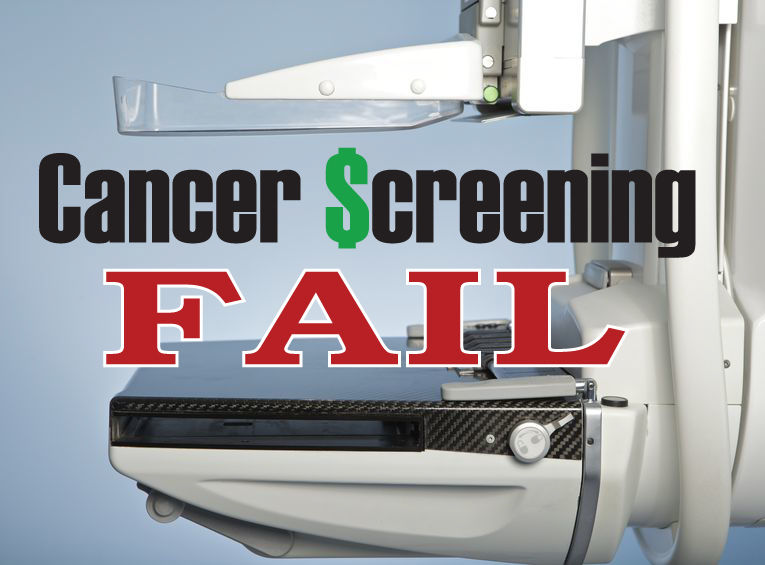
Study reveals cancer screening does not save lives

cancer screening fail
© greenmedinfo
Should we be looking for disease in people who don't have any symptoms? A large new study indicates the answer is NO.

Subject to an increasingly expansive disease screening programs, unsuspecting healthy individuals are being transformed into patients every day. Massive 'awareness raising' campaigns funded by industries that either cause disease by creating and promoting harmful products, or make profit from the diseases by diagnosing and treating them, dominate mainstream culture, with their tentacles reaching deep into both private and public (i.e. governmental) sectors. Think of KFC's now defunct "Buckets for the Cure" campaign, or Susan G. Komen's stamp of approval on a Fracking Drill bit supposed to help find a cure. Or, how about our very own Whitehouse saturating itself with Pink light during Breast Cancer Awareness Month?

What do these 'awareness raising' efforts have in common? They almost all funnel the miseducated masses into fear-driven screening programs that promise to 'save lives' by 'detecting disease early' instead of focusing on removing and/or lessening the preventable causes of disease. Why not employ real prevention and focus on root cause resolution, which is to say, dietary changes, detoxification, and various modifiable lifestyle factors such as stress reduction -- none of which, incidentally, require pharmaceutical intervention. In the case of cancer, the primary focus should be on removing exposure to cancer-causing agents (carcinogens).

Comment: See also: