
© AFP
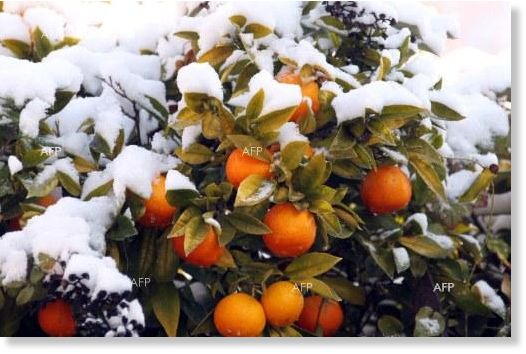
But residents of the Baltic nation were baffled on Tuesday when flurries of the white stuff fell in June for the first time in more than three decades.
"We last recorded snow in June 32 years ago and it was on exactly the same date: June 17, 1982," Estonian meteorologist Helve Meitern told AFP.
"Tonight, we could see temperatures fall below zero degrees Celsius (32 Fahrenheit)," she added.
The wintry weather follows a heatwave over the last month that saw temperatures spike to a toasty 30 degrees Celsius across this EU state of three million, where average June daytime temperatures range from 18-20 degrees Celsius.
The mercury soared to a searing 35.6 Celsius in August 1992, the hottest day ever recorded in Estonia.
Source: AFP













Comment: Additional reading about the Plague of Plastic killing the world's oceans:
- Are We Witnessing the Death of Our Planet?
- Plastic Trash in Oceans May Be 'Vastly' Underestimated
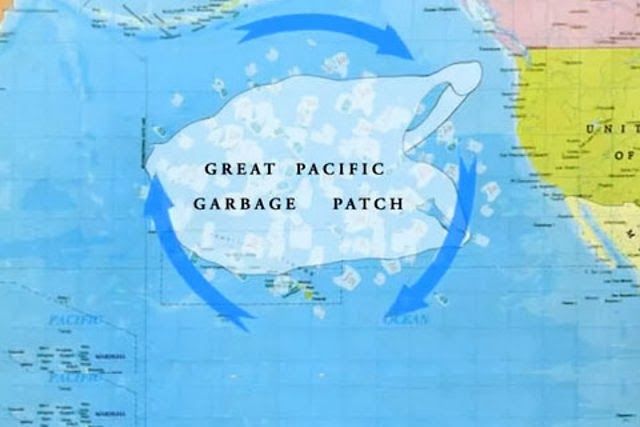
- Great Pacific Garbage Patch' Plastic Has Increased Hundredfold Since the 1970s
- The world's rubbish dump: a garbage pit that stretches from Hawaii to Japan
- Something the entire world should see - most of us are simply unaware
- A Passion to Clean up the Pacific Ocean's Great 'GarbagePatch'
- What is the Great Pacific Ocean Garbage Patch?
- Pacific Ocean garbage patch worries researchers
- Plastic trash vortex menaces Pacific sealife: study
- Huge Garbage Patch Found in Atlantic Too
Plastic is believed to constitute 90 per cent of all rubbish floating in the oceans. The UN Environment Program estimated in 2006 that every square mile of ocean contains 46,000 pieces of floating plastic. Marcus Eriksen, a research director of the US-based Algalita Marine Research Foundation, said: