2015 was a
record hot and fiery year, but it may not get to keep the title for long. While the American West is still reeling from a
devastating wildfire season, Australia's pyrotechnic woes are just getting started.
Over the past few years,
persistent drought conditions have transformed vast swaths of Southern Australia into a tinderbox. But thanks to an unsavory combination of El Niño and global warming, this year's spring was exceptionally hot and dry. In November, the Australian government issued one of the
grimmest fire season outlooks in recent memory, and now, our planet is making good on that prediction.
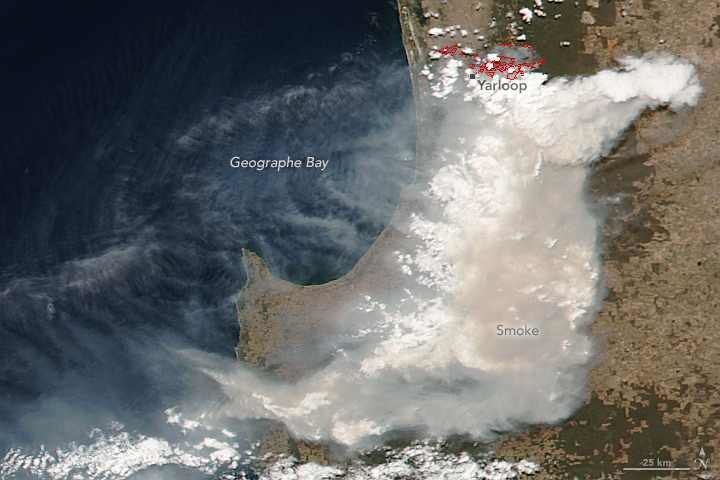
On January 6, a lightning strike triggered a bushfire in Lane Pool Reserve, located near the city of Perth in Southwest Australia. With plenty of fuel on the ground, the blaze spread rapidly, engulfing the nearby town of Yarloop and destroying at least 128 homes and 41 other structures, according to the Department of Fire and Emergency Services. As of yesterday, the fire had burned through a whopping 276 square miles (177,000 acres)—placing it on par with the
largest blazes to hit North America this past summer.
In fact, the fire was so vicious that it created its own weather system: a pyrocumulus "fire cloud," captured by the the Visible Infrared Imaging Radiometer Suite on NASA's
Suomi NPP satellite on January 7. Pyrocumulus clouds are similar in appearance to other cumulus clouds. The difference, NASA
explains, is that the heat forcing air to rise doesn't come from thermal radiation, but from—you guessed it—fire.

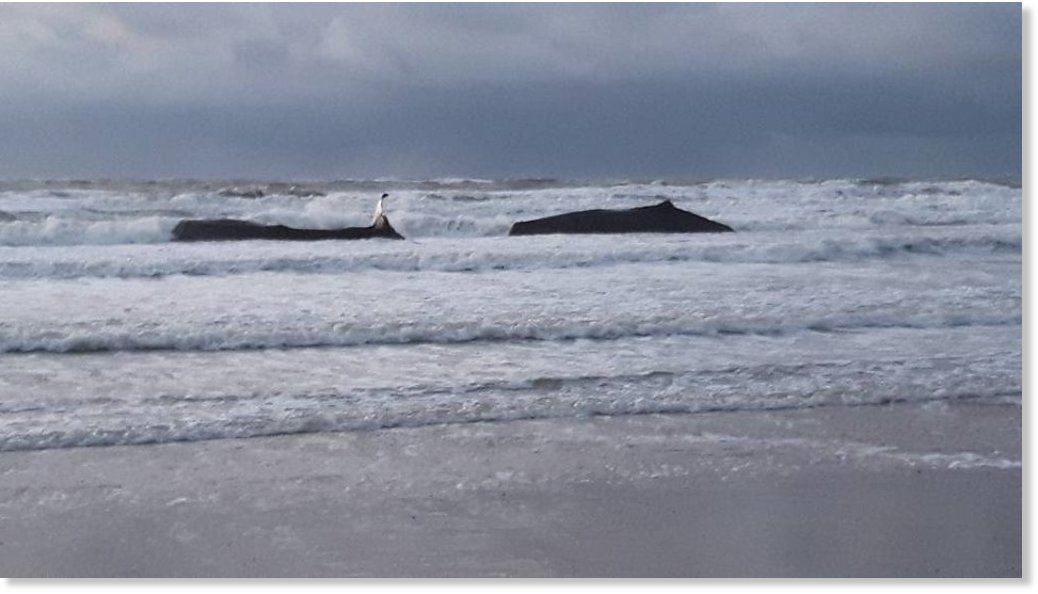


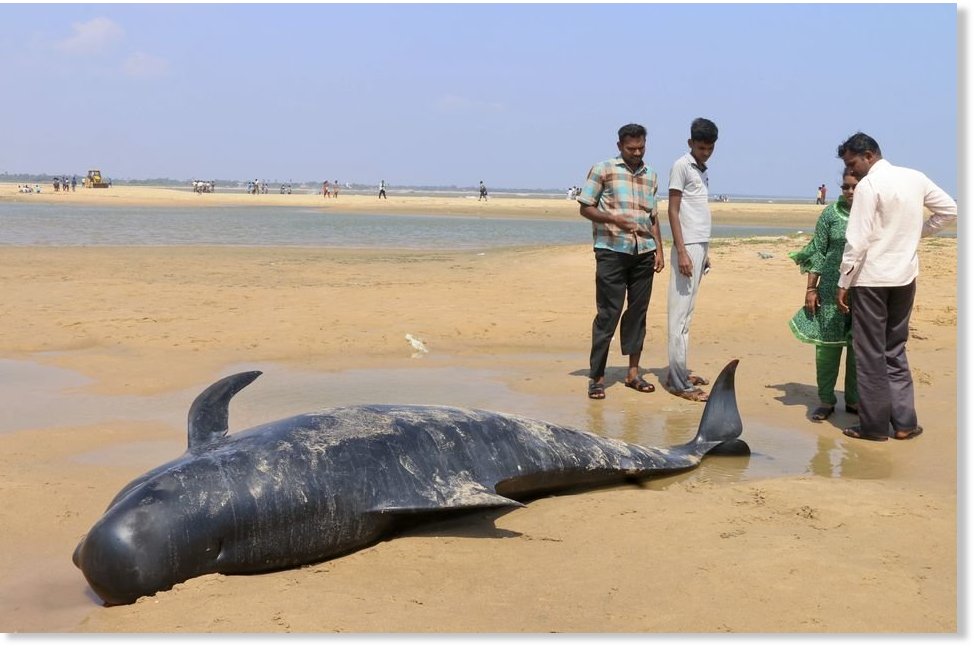



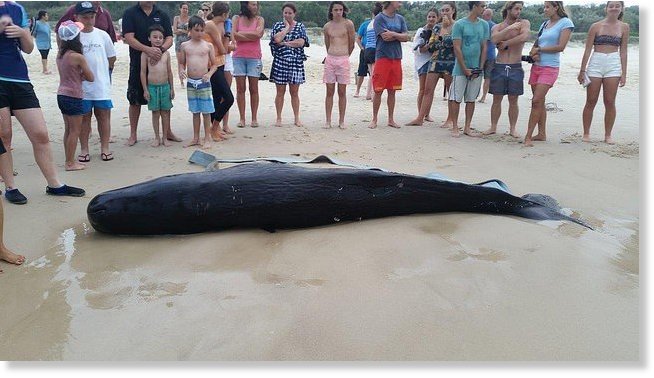


Comment: A day earlier and about 100 miles to the north east of the above location, there was a similar incident involving the same species: Unusual stranding of 2 giant sperm whales on same beach at Wangerooge, Germany