Science of the SpiritS


Toys

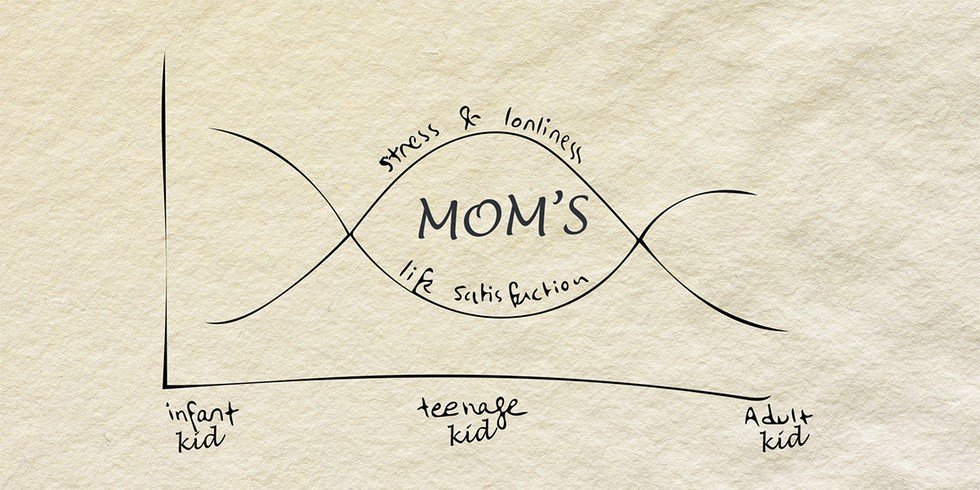
Maternal happiness dips when kids are in middle school

mom cycle graph
Think back to your middle school or early teenage years. You might have been worried about your grades, or how you came across to everyone else, or why you were suddenly sprouting body hair all over the place, or how incredibly annoying your parents suddenly seemed. Whatever was on your mind, there's a good chance you don't recall those years as among your favorites.

You're not the only one who isn't thrilled with the adolescent experience, psychologists are finding. And if you happen to now be a mother with kids approaching middle school, your happiness might be about to dip again.

In fact, how well-adjusted moms are can depend a lot on what developmental stage their kids are going through, psychologists at Arizona State University in Tempe report in a new study. In a survey of many aspects of wellbeing and satisfaction, moms with kids in middle school faced drops in many areas, while those with adult children and infants fared the best.

Alarm Clock

Feeling stuck? Focus on action rather than outcome

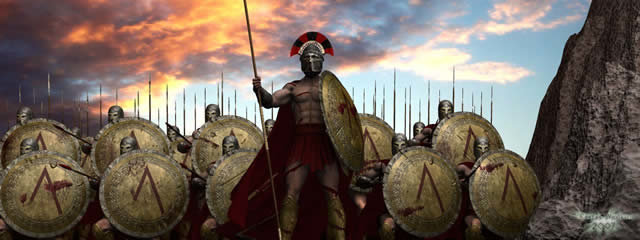
Battle of Thermopylae
© Kostas Nikellis
"This is a holy moment. A sacramental moment. A moment in which a man feels the gods as close as his own breath.

What unknowable mercy has spared us this day? What clemency of the divine has turned the enemy's spear one handbreadth from our throat and driven it fatally into the breast of the beloved comrade at our side? Why are we still here above the earth, we who are no better, no braver, who reverenced heaven no more than these our brothers whom the gods have dispatched to hell?"
In this speech from Steven Pressfield's gripping, well-researched re-telling of the Battle of Thermopylae (Gates of Fire), the Spartan King Leonidas addresses his troops after a victory. He is reflecting on the fact that when you do battle in chaos, Lady Fortuna and skill have an equal say in the outcome. Pressfield explains this dynamic in his equally worthwhile non-fiction work, The Warrior Ethos:
"In the era before gunpowder, all killing was of necessity done hand to hand. For a Greek or Roman warrior to slay his enemy, he had to get so close that there was an equal chance that the enemy's sword or spear would kill him. This produced an ideal of manly virtue - andreia, in Greek - that prized valor and honor as highly as victory."
Andreia meant that judgment was based on actions taken — not outcomes. Society understood that the outcome was, at least in part, in the hands of the gods. What was in a man's control was how he acted.

Comment: Also see Why we make plans but don't take action


Black Cat 2

Meet the animal whisperers: Interspecies communicators illustrate how the entire world is conscious

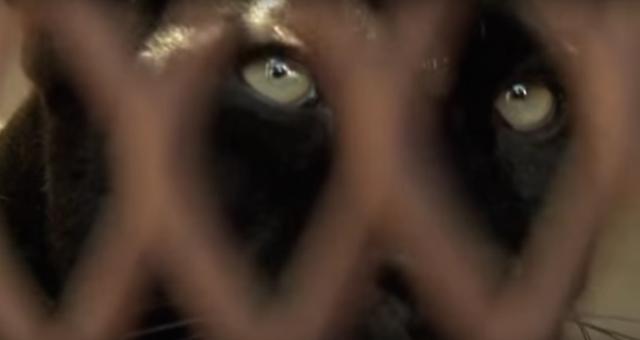
caged panther
Many animal communicators have demonstrated that is is possible to fully communicate with animals (just as with people), hearing their words & thoughts in a telepathic or energetic way.

Animal communicators are people who can fully communicate with an animal just as they would with a normal human person. The communication is telepathic and 2-way; the animal communicators can both "speak" (by sending thought out towards the animal) and "hear" (by receiving thought in from the animal). Animal communicators have most likely existed for a long time, probably in every single culture in the world. It is only in our modern Western materialistic culture, which has been influenced by mainstream institutions of religion and science based on perceiving a reality of separateness, that such a possibility seems so outlandish. However, as the following examples show, animal communication, also known as interspecies communication, is a very real phenomenon. These animal communicators are able to access knowledge from and about the animal which they could not possibly have otherwise known.

Comment: See also:


Arrow Up

Overcoming hidden obstacles on the path to achieving your goals

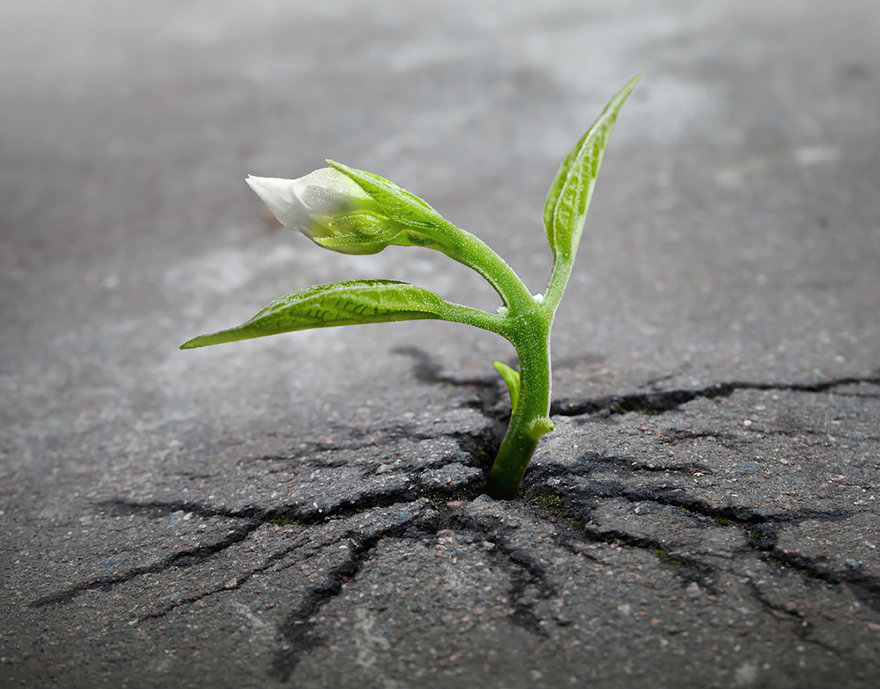
seed breaking through asphalt
Grow where you are
This time of year is all about knowing what we want for ourselves. We rightfully accept the window for change and wonder what kind of transformation we're ready for—what measures we're willing to commit to, what possibilities exist if we're willing to go down that road. And so we daydream. We imagine what it would be like to feel better/fitter/healthier than we do right now. We think about how life would be different. We start to mentally put the pieces in place—how we'd go about this endeavor. How bold are we willing to be? Where will the energy, support, ideas and resources to fuel this venture come from? Maybe it's at this stage or maybe even after we get started, but all too often some other element eventually weaves its way into the picture. Self-doubt, pessimism, compromise, sabotage begins trickling into our process. Our hidden, well-worn obstacles start popping up.

It seems like a universal dictum. When you start to make positive change, you're going to get pushback. It's not a magical force thing. The fact is, you're rocking the boat. Your attempt to change, no matter how small, is throwing off the dysfunctional equilibrium you've been living with. Somewhere along the line you got used to how you live and how you feel. Inertia is as much a psychological as a physical phenomenon.

Change your ways, and it's as if all the mental bogeys and old patterns wiggle their way to the forefront to register their agitation. Maybe even the basic, external logistics of change become a knotted mess temporarily. It can feel like the universe is on a targeted mission to crush your good intentions.

Personally, I don't think the universe has it out for you, but I'd make this suggestion. Expect pushback and learn to roll with it.

Comment: The first part of self-change may be setting an Aim, so that you know where you want to go. Make it something achievable, but not too easy, so that you set yourself up for success rather than failure, and keep building from there. Then, just keep making daily choices that point you in the direction of your Aim, taking baby steps to get there if necessary, and soon enough you may find that you're in a completely different reality from the one that you started in.


Hourglass

Why we make plans but don't take action and what to do about it

procrastination
By the summer of 1830, Victor Hugo was facing an impossible deadline. Twelve months earlier, the famous French author had made an agreement with his publisher that he would write a new book titled, The Hunchback of Notre Dame.

Instead of writing the book, Hugo spent the next year pursuing other projects, entertaining guests, and delaying his work on the text. Hugo's publisher had become frustrated by his repeated procrastination and responded by setting a formidable deadline. The publisher demanded that Hugo finish the book by February of 1831—less than 6 months away.

Hugo developed a plan to beat his procrastination. He collected all of his clothes, removed them from his chambers, and locked them away. He was left with nothing to wear except a large shawl. Lacking any suitable clothing to go outdoors, Hugo was no longer tempted to leave the house and get distracted. Staying inside and writing was his only option.
The story about Victor Hugo locking away his clothes has become embellished over the years. Most versions claim that he had a servant routinely lock away his clothes while he wrote naked each day. As best I can tell, this embellishment is a myth. The true version that I describe in this article originally comes from a book by Hugo's wife: "Victor Hugo Recounted by a Witness of His Life" by Adele Foucher.

The strategy worked. Hugo remained in his study each day and wrote furiously during the fall and winter of 1830. The Hunchback of Notre Dame was published two weeks early on January 14, 1831.

Comment: For more ideas that can help you to overcome procrastination, see:


Hearts

Study on chimpanzee behavior reveals defining element of friendship is trust

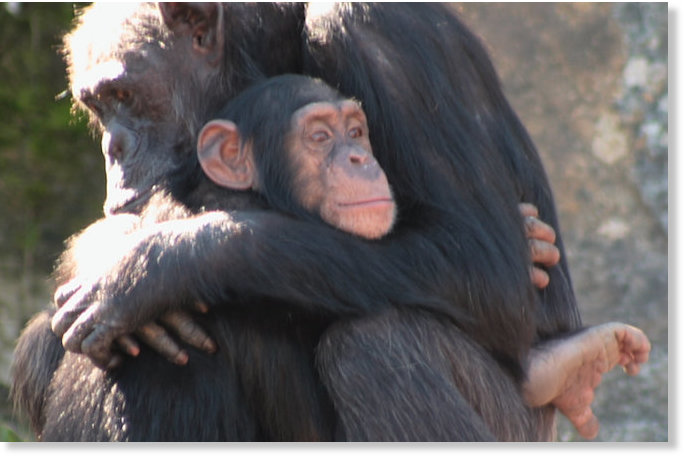
Chimpanzees
© BUFFA, FLICKRResearch on chimps show friendship is all about trust.
The defining element of friendship is trust, finds a new study on chimpanzee pals.

This means friendship based on trust evolved millions of years ago, and dates back to at least the last common ancestor of chimps and humans. The findings are reported in the journal Current Biology.

"Humans largely trust only their friends with crucial resources or important secrets," co-author Jan Engelmann of the Max Planck Institute for Evolutionary Anthropology said in a press release.

Engelmann continued, "In our study, we investigated whether chimpanzees show a comparable pattern and extend trust selectively toward those individuals they are closely bonded with. Our findings suggest that they do indeed, and thus that current characteristics of human friendships have a long evolutionary history and extend to primate social bonds."

Question

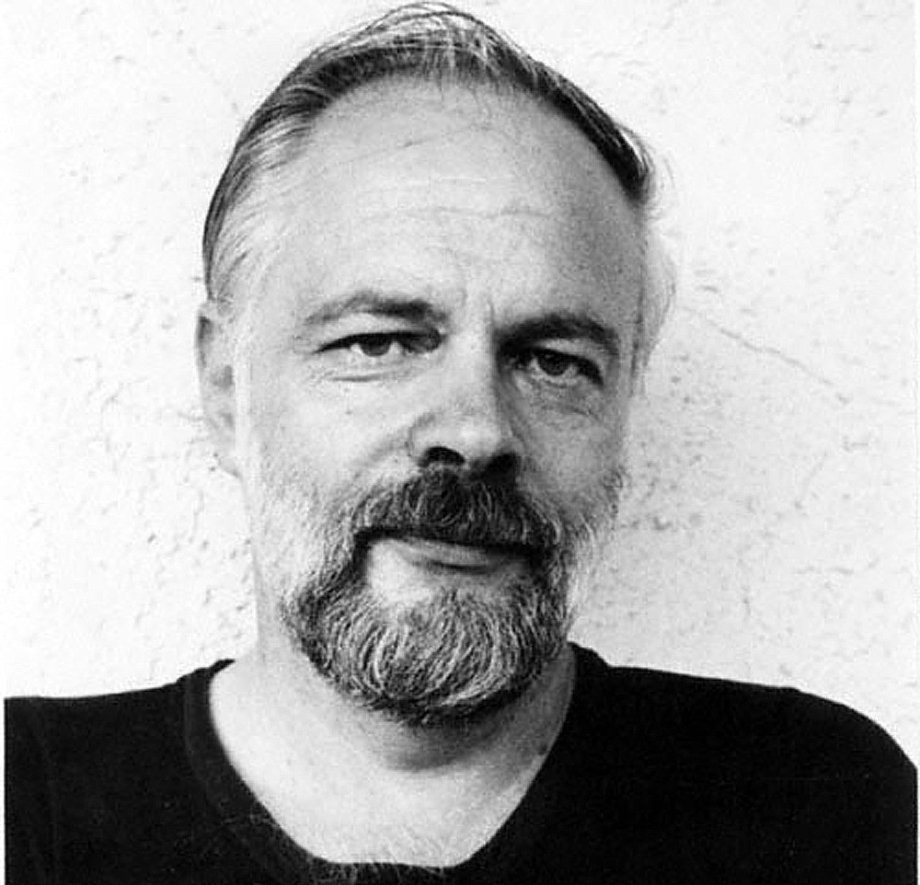
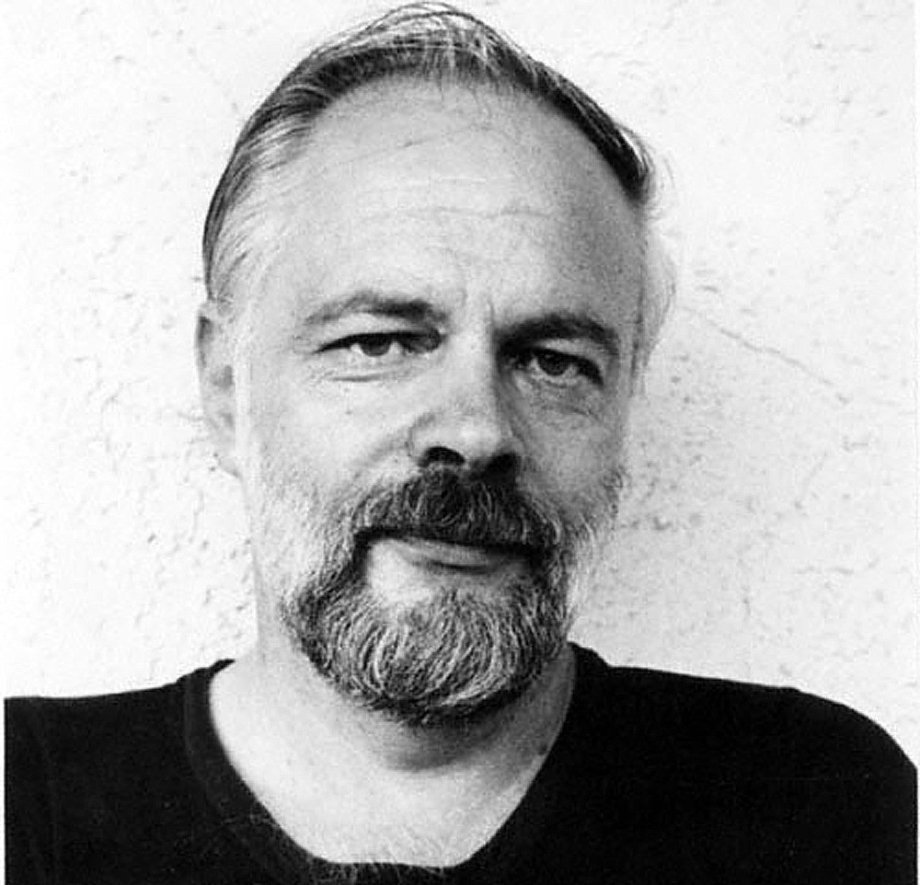
Philip K Dick: How to build a universe that doesn't fall apart two days later

Philip K Dick
Philip K. Dick
First, before I begin to bore you with the usual sort of things science fiction writers say in speeches, let me bring you official greetings from Disneyland. I consider myself a spokesperson for Disneyland because I live just a few miles from it—and, as if that were not enough, I once had the honor of being interviewed there by Paris TV.

For several weeks after the interview, I was really ill and confined to bed. I think it was the whirling teacups that did it. Elizabeth Antebi, who was the producer of the film, wanted to have me whirling around in one of the giant teacups while discussing the rise of fascism with Norman Spinrad... an old friend of mine who writes excellent science fiction. We also discussed Watergate, but we did that on the deck of Captain Hook's pirate ship. Little children wearing Mickey Mouse hats—those black hats with the ears—kept running up and bumping against us as the cameras whirred away, and Elizabeth asked unexpected questions. Norman and I, being preoccupied with tossing little children about, said some extraordinarly stupid things that day. Today, however, I will have to accept full blame for what I tell you, since none of you are wearing Mickey Mouse hats and trying to climb up on me under the impression that I am part of the rigging of a pirate ship.

Science fiction writers, I am sorry to say, really do not know anything. We can't talk about science, because our knowledge of it is limited and unofficial, and usually our fiction is dreadful. A few years ago, no college or university would ever have considered inviting one of us to speak. We were mercifully confined to lurid pulp magazines, impressing no one. In those days, friends would say me, "But are you writing anything serious?" meaning "Are you writing anything other than science fiction?" We longed to be accepted. We yearned to be noticed. Then, suddenly, the academic world noticed us, we were invited to give speeches and appear on panels—and immediately we made idiots of ourselves. The problem is simply this: What does a science fiction writer know about? On what topic is he an authority?

It reminds me of a headline that appeared in a California newspaper just before I flew here. SCIENTISTS SAY THAT MICE CANNOT BE MADE TO LOOK LIKE HUMAN BEINGS. It was a federally funded research program, I suppose. Just think: Someone in this world is an authority on the topic of whether mice can or cannot put on two-tone shoes, derby hats, pinstriped shirts, and Dacron pants, and pass as humans.

Well, I will tell you what interests me, what I consider important. I can't claim to be an authority on anything, but I can honestly say that certain matters absolutely fascinate me, and that I write about them all the time. The two basic topics which fascinate me are "What is reality?" and "What constitutes the authentic human being?" Over the twenty-seven years in which I have published novels and stories I have investigated these two interrelated topics over and over again. I consider them important topics. What are we? What is it which surrounds us, that we call the not-me, or the empirical or phenomenal world?

In 1951, when I sold my first story, I had no idea that such fundamental issues could be pursued in the science fiction field. I began to pursue them unconsciously. My first story had to do with a dog who imagined that the garbagemen who came every Friday morning were stealing valuable food which the family had carefully stored away in a safe metal container. Every day, members of the family carried out paper sacks of nice ripe food, stuffed them into the metal container, shut the lid tightly—and when the container was full, these dreadful-looking creatures came and stole everything but the can.

Nebula

Sensing deceased relatives is a common phenomenon

misty people
Inge's boyfriend always texted her before bed on nights they did not spend together. So when the text did not come one evening, Inge was worried. She still managed to get to sleep but was plagued by a terrible dream: a vision of a body lying on the road, all but its legs obscured from view. She was sure it was her boyfriend. Later that night, a phone call awoke her: her boyfriend had been killed in a car accident.

Inge was devastated. Her only comfort in the months following his death was that she still spoke with him often.

"I love you," Inge would say.

"I love you," her boyfriend would answer.

"Will we be together forever?"

"Yes."

"Do you promise?"

"Yes."

Cloud Grey

How to keep your spirit up during the 'yuck' month of January

gloomy landscape, january blues
January 24th is on record as being the most depressing day of the year. It's not hard to figure out why. The bills come in from all those generous gifts you gave back when the holiday spirit had you feeling rich. The resolutions you made on December 31 are, well, broken. And it's cold, dark, and dreary — the roads in many places wear the kind of brown slush that is unbecoming.

However, my mood dips long before the 24th. It does a dive the Monday after the New Year — the first full week of January. I call it Yuck Monday or Yuck Week.

Here's why this week is Yuck Week for me:

I prepare to be down this week because it's like clockwork. It has happened for as long as I can remember. Last year, it was especially severe. I was just emerging from a very deep and scary depression. The stress of Christmas numbed me, much like a sedative; I went into holiday gear — which is do, do, do, don't think, think, think. However, hosting a family reunion proved to be too much. The dysfunction of my family of origin and the unresolved childhood pangs that I feel when I'm with my sisters and my mom was enough to break me.

Once they left, I couldn't stop crying.

Comment:


Nebula

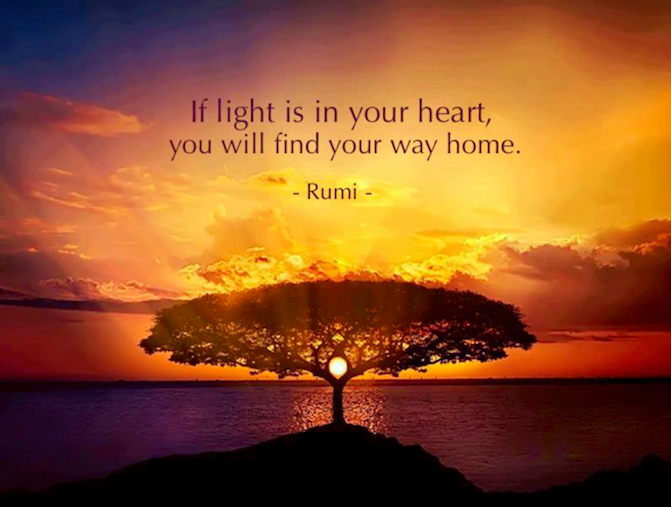
Kindling the divine spark within you

rumi quote, divine light, awakening

Blessed is he who has a soul, blessed is he who has none, but woe and grief to him who has it in embryo.1

- G.I. Gurdjieff
The United States Declaration of Independence proudly proclaims the mystical truth that "all men are created equal." What happens after that, though, is anybody's guess. Once we've been created equally, does that mean all our lives are the same? Do the essential differences between us come from genetics, environment, free will, the soul? Do we all end up in the same place again when we die? These questions have excited the myth-making faculties of humankind from antiquity down through to the present day.

Working for a Soul

The esoteric teachings of G.I. Gurdjieff, in many ways, fly in the face of traditional Western religious thought. Whereas it is accepted as a given within Judeo-Christian tradition that each human is born with a soul, Gurdjieff does not let us off so easy. Active in the early part of the 20th century, this Greek-Armenian mystic travelled the world, synthesising spiritual disciplines into a unique path called The Fourth Way. He taught that human existence is a kind of waking sleep, in which we live more or less automatically, unconscious and unaware of ourselves. He even went to the extreme of suggesting that humans are not born with souls at all, and that we can only create one while alive through intense personal suffering and what he called "work." If we are not successful in this venture, he taught that our identities would not survive the shock of death, that we would "die like dogs" and that the ever-hungry Moon would gobble up our energy as part of its own evolution of consciousness.

It's a teaching which sounds strange to most people today, but which was perhaps more common to the ancient world. Consider the words of the Gospel of Philip, an ancient Gnostic codex recovered at Nag Hammadi in 1945:
Those who say they will die first and then rise are in error. If they do not first receive the resurrection while they live, when they die they will receive nothing.2