
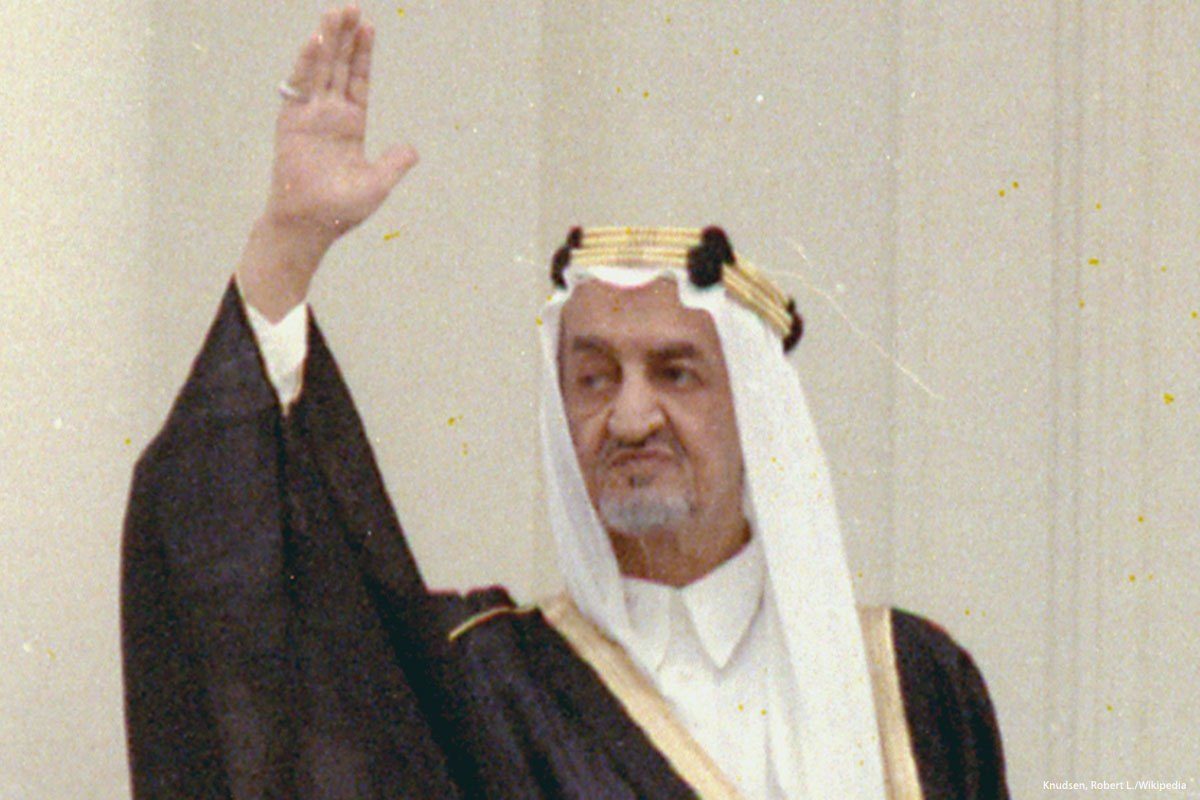
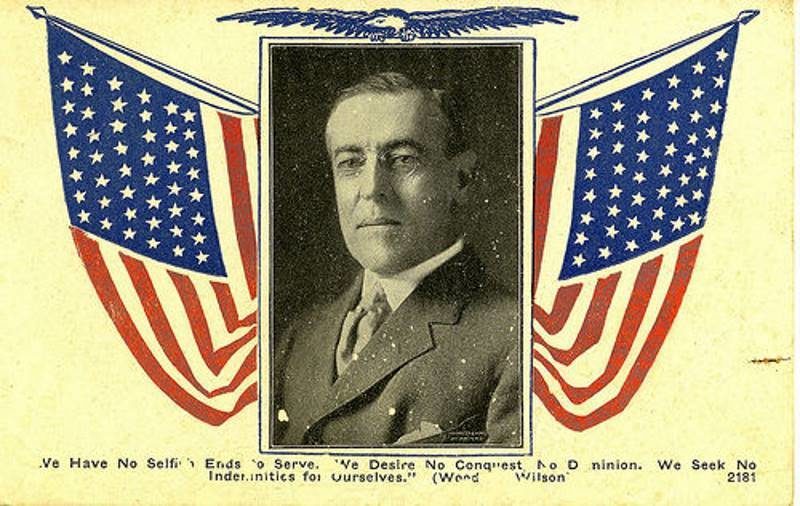
© Knudsen, Robert L./WikipediaFaisal bin Abdulaziz Al Saud was King of Saudi Arabia from 1964 to 1975
"King Faisal's letter to US President Lyndon Johnson said that the Egyptian forces would not withdraw from Yemen unless Israel moved to occupy Gaza, Sinai and the West Bank," explained Saleh. The Head of the General People's Congress urged the current Yemeni president and the rest of the Arab countries participating in the Saudi-led coalition, especially Egypt, to withdraw immediately from the alliance fighting in Yemen. "The events in Saudi Arabia, the blockade on Qatar, and the Sudanese President's visit to Russia are all a part of the changing equations [in the Middle East]," he claimed.
According to Saleh, the letter mentions what King Faisal described as Egypt's dangerous role in Yemen and the region in general through its support of the rebels and provoking the people's emotions against "us all" - the US and Saudi Arabia - as well as Egypt's ongoing and historical efforts to overthrow "our governments". Faisal also called Egypt "the greatest enemy" of Saudi Arabia and the US.
In his letter, the then Saudi monarch stressed the need for the US to support Israel to carry out a swift operation against Egypt by which it would control vital areas in the country - the Sinai Peninsula - not only forcing the government in Cairo to withdraw its forces from Yemen, but also to distract Egypt with Israel for as long as possible. King Faisal also suggested that the Gaza Strip under Egyptian control should be seized immediately, and believed that it was important to take control of the West Bank from Jordan in order for the Palestinians to lose hope of having control of any land administered by an Arab government.













Comment: The main problem with this theory is that it occurred during the 'Little Ice Age', conventionally defined as a period extending from the 16th to the 19th centuries. Causes are suggested to have been decreased solar activity, increased volcanic activity, as well as other factors.