OF THE
TIMES


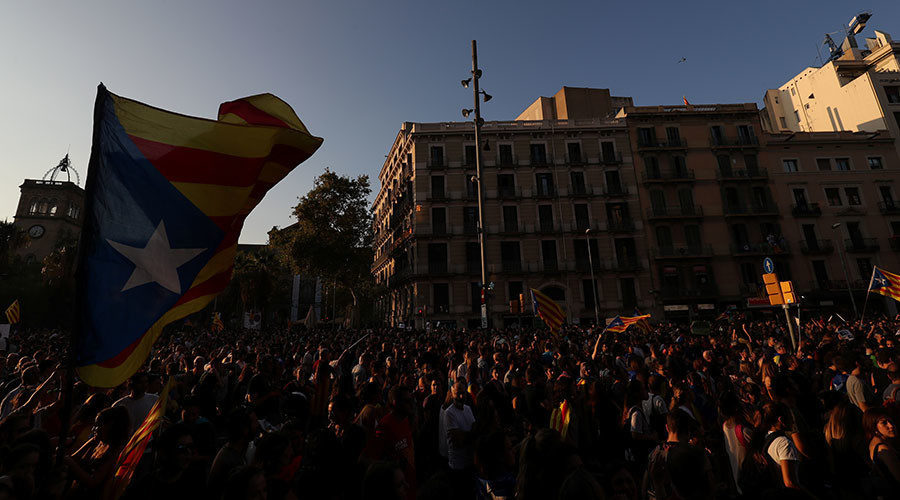
For teacher Elisa Aroca, Sunday was the moment Spain lost the battle for the hearts and minds of 7.5 million people living in the Catalonia region.
Aroca intended to defend her Spanish roots and cast a ballot against Catalonia breaking away from the rest of the country. But when a squad of police in riot gear marched up, roughly tossed her and other voters aside and shattered the glass entrance of the Estel School in central Barcelona to confiscate ballot boxes, she felt something break inside her.
"I felt so angry and hurt inside that I thought, 'A country that hits me wants me to stay? You don't listen to me and on top of it you hit me?' For me that is abuse," she said a day later.
...
"I was crying from rage," she recalled. "Now, I was going to vote no matter what. My husband and I didn't even have to talk about it, we just looked each other in the eyes and we knew that we had to vote. And that we had to vote 'yes' (for independence)."
Born of parents from other parts of Spain, Aroca, a 40-year-old mother of two, still wants to embrace a dual identity of both Spanish and Catalan. But she says the political crisis caused by a lack of dialogue between Spanish Prime Minister Mariano Rajoy and Catalan regional chief Carles Puigdemont has forced her to choose.
"All bonds have been broken. Not by the referendum, but by the police," Aroca said. "I feel rage and pain. I think that is how most people feel, seeing what people are chatting about, talks I have had at work. (Sunday) night I was very sad, truly sad that it has reached this point of me wondering what kind of country my daughters will inherit."
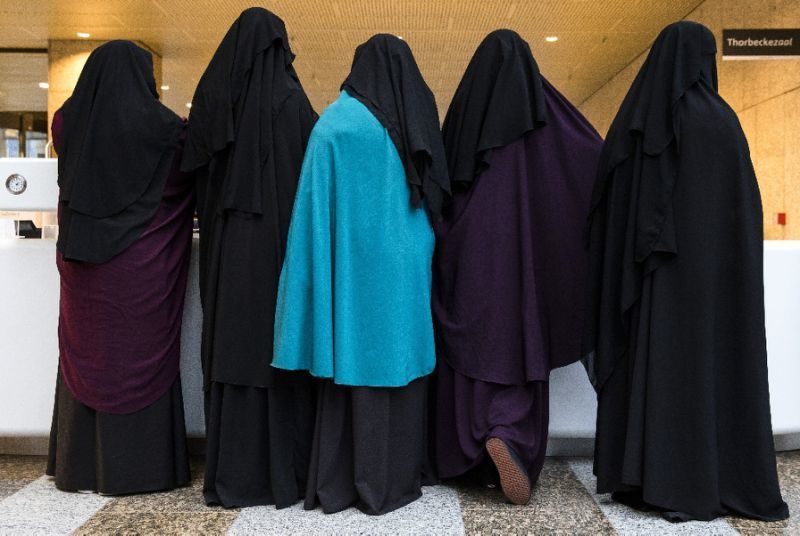
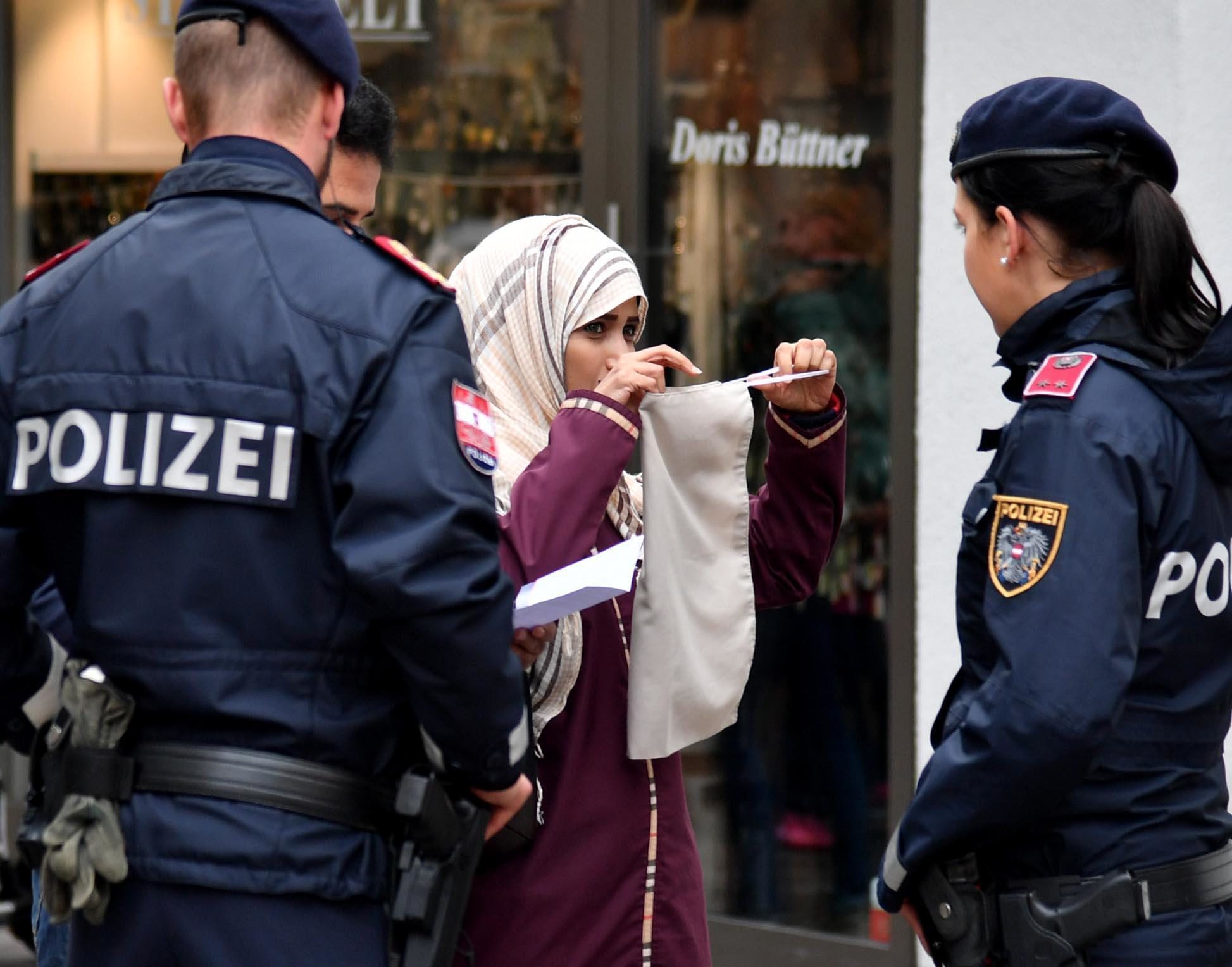
The measures, similar to those in other European Union countries, also apply to visitors even though large numbers of Arab tourists holiday in the Alpine country.
The legislation was brought in by the outgoing centrist government of Chancellor Christian Kern.
The right wing Freedom Party is expected to gain seats in elections this month.
In 2011 France became the first European country to ban full face veils in public.
One of the study's most concerning findings, experts say, is a decrease in emotional connection and active support of Israel. While 87 percent of those 55 and older report feeling emotionally connected to Israel, 65 percent of those ages 18 to 34 feel the same way. And while 71 percent of those 55 and older actively support the Jewish state, less than half - 43 percent - of Jews 18 to 34 do the same.
Comment: Better nothing than something for the university. Perhaps this was a misread on circumstances or a panic attack by the professor. The incident might serve to question how people handle fear and paranoia when confronted by a life-threatening scenario.