
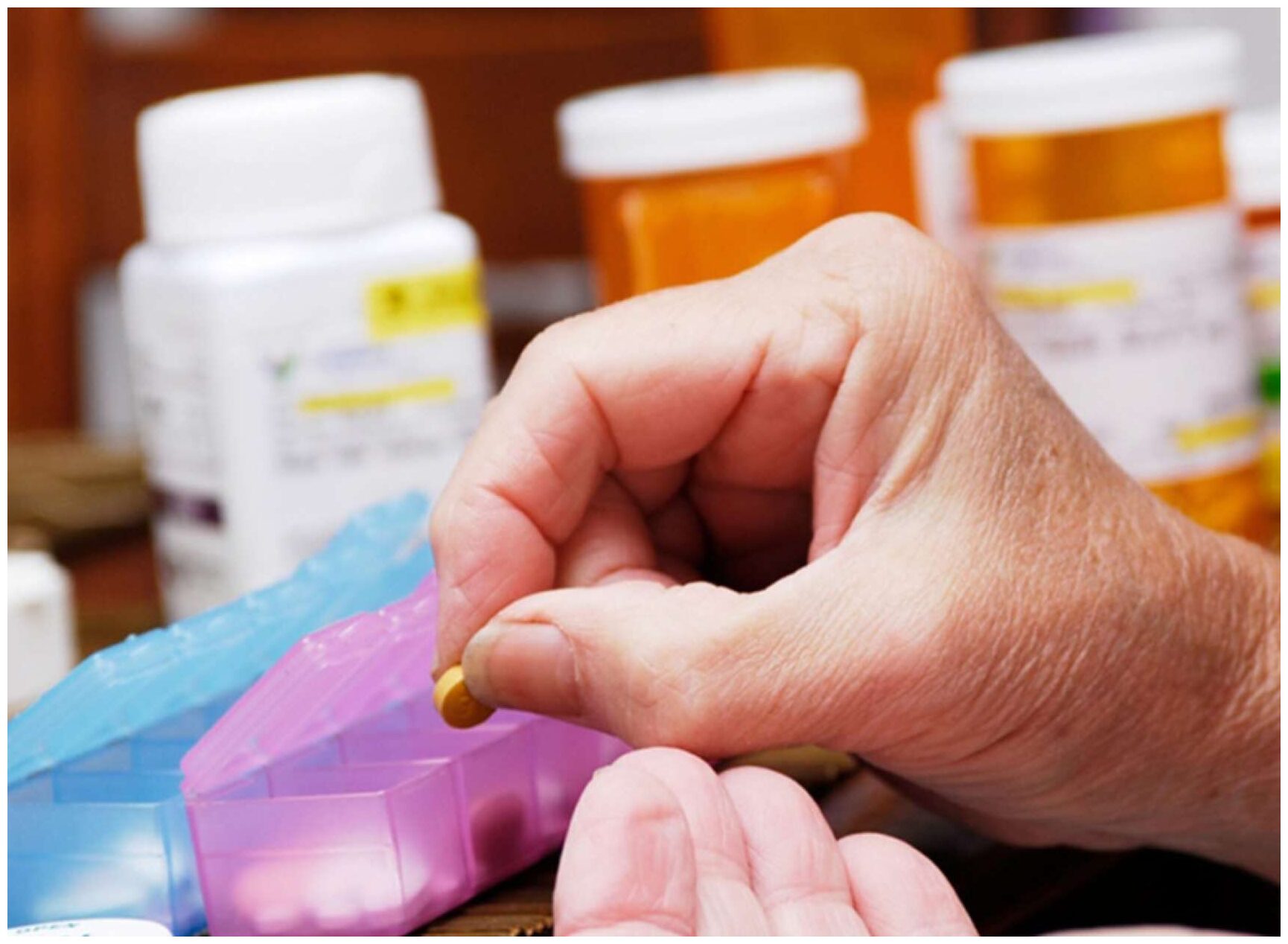
© jorgeantonio / GettyAmericans born in 2019 can expect to spend nearly half their lives taking prescription drugs, according to a new study conducted by Jessica Ho, associate professor of sociology and demography at Penn State.
The American Society of Health-System Pharmacists (ASHSP) and the University of Utah Drug Information Service started tracking drug shortages as far back as 2001.
Their latest data shows that things haven't been this bad in all the years they've kept records.
A record high of 323 different meds were in short supply during the first quarter of 2024, the groups found. That's worse than the last peak for drug shortages -- 320 in 2014, according to the data.

















Comment: As noted these shortages are just getting worse, particularly it seems in Western nations, and those governments that are reporting shortages don't seem to have come up with a solution.
Considering how a number of these medications are essential for emergency and critical healthcare, it's highly likely that they're already having a quantifiable, detrimental, impact on public health. Furthermore, should there be serious shortages of medications used for mental health, it may result in a significant proportion of the population, who are dependent, into going without; and the fall out of patients who are forced to taper off to quickly, or going cold turkey, could have disastrous consequences for society: