

© Scott RitterScott Ritter (center) visits the city of Luhansk, founded in 1795, accompanied by bodyguards from the Sparta Battalion
On May 26, the Donetsk People's Republic marked the tenth anniversary of the first battle for the region's international airport. This was a key clash in the fight between Ukraine and local citizens who opposed the nationalist-dominated government that had seized power in Kiev as a result of the US-backed coup in February 2014. The anniversary was but one in a succession of similar commemorations of events which, together, draw attention to the fact that the war in Donbass has been ongoing for a decade.
Earlier this year I traveled to the Chechen Republic, Crimea, and the New Russian territories of Kherson and Zaporozhye, all locations which comprised what I called Russia's "Path of Redemption," the geographic expression of actions undertaken by Moscow. The fourth -and final- destination of my trip, the two people's republics of Donetsk and Lugansk that are collectively referred to as the Donbass, brought this journey to a close. By visiting the literal ground zero of the current Russian-Ukrainian conflict, I was able to put a punctation mark at the end of a long and complicated passage which delved into the very essence of modern-day Russia — what it means to be Russian, and the price the Russian nation has been willing to pay to preserve this definition.

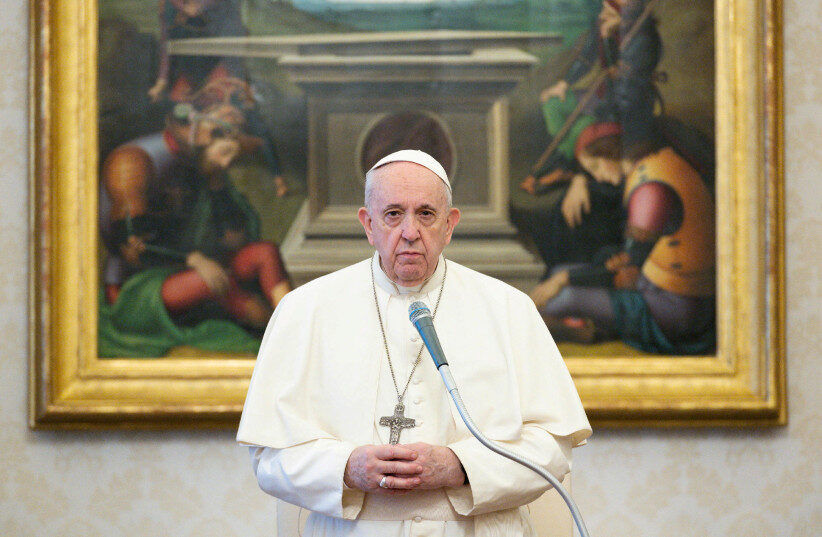












Comment: Well, he was informed a month ago it was considered a slur, but perhaps he just slipped. One would imagine he wasn't intending to insult all homosexuals, because he was apparently also talking about welcoming them into the church (as congregants).
That said, it may be that he had a certain kind of character in mind, because the Catholic church has been plagued by sex scandals in the recent decades: