

SOTT
SIGNS
OF THE
TIMES
OF THE
TIMES
Welcome to Sott.net
The World for People who Think
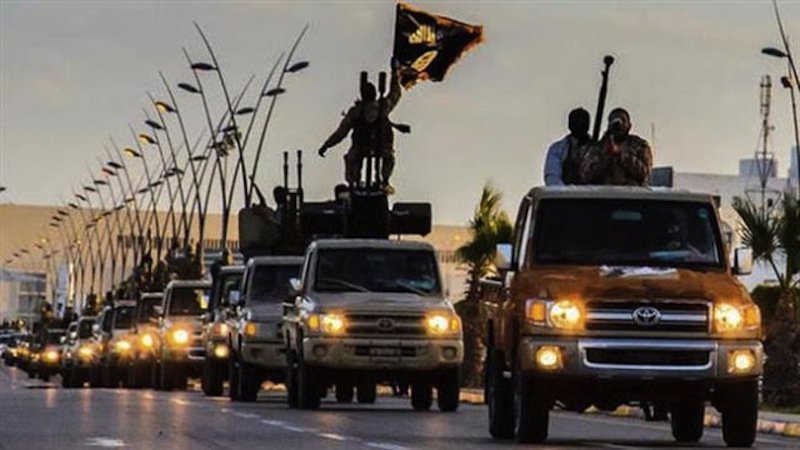
Their war for freedom in Libya may be over, but almost a year after they won the battle for the Libyan capital, a group of fighters have a new battlefield: Syria. Under the command of one of Libya's most well known rebel commanders, Al-Mahdi al-Harati, more than 30 Libyan fighters have made their way into Syria to support the Free Syrian Army rebels in their war against President Bashar al-Assad's regime.
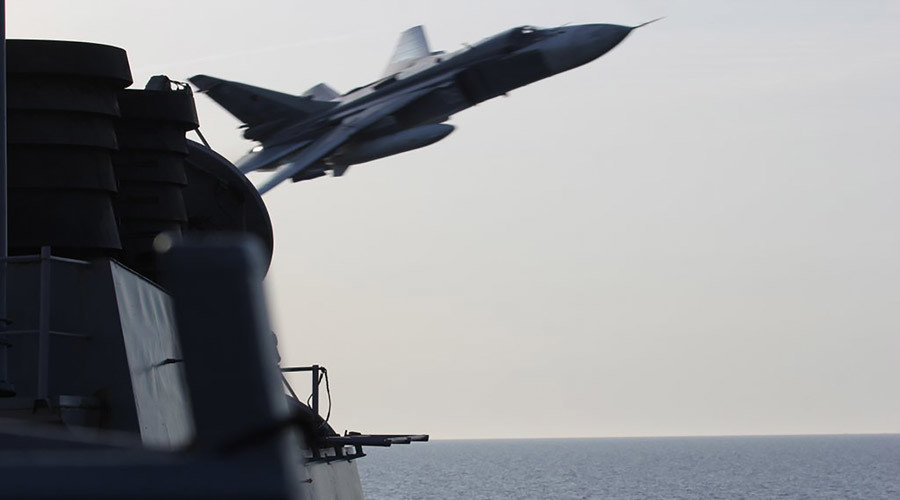
"fourth forward-deployed patrol in support of ballistic missile defense of Europe... Such port visits serve to enhance U.S.-Polish relations as the two nations work together for a stable, secure and prosperous region."

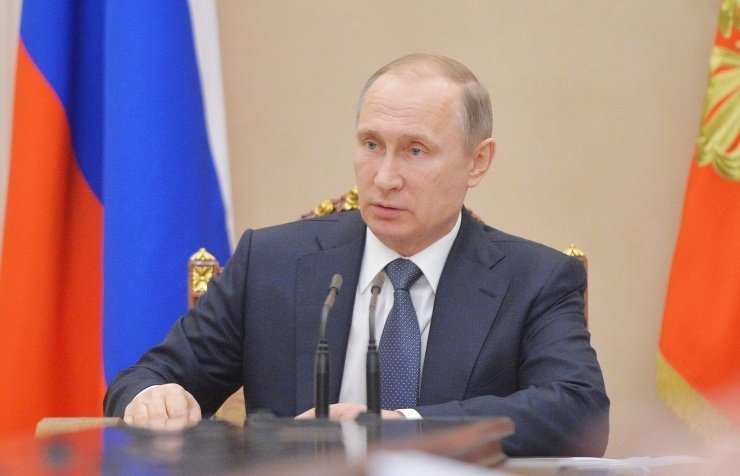
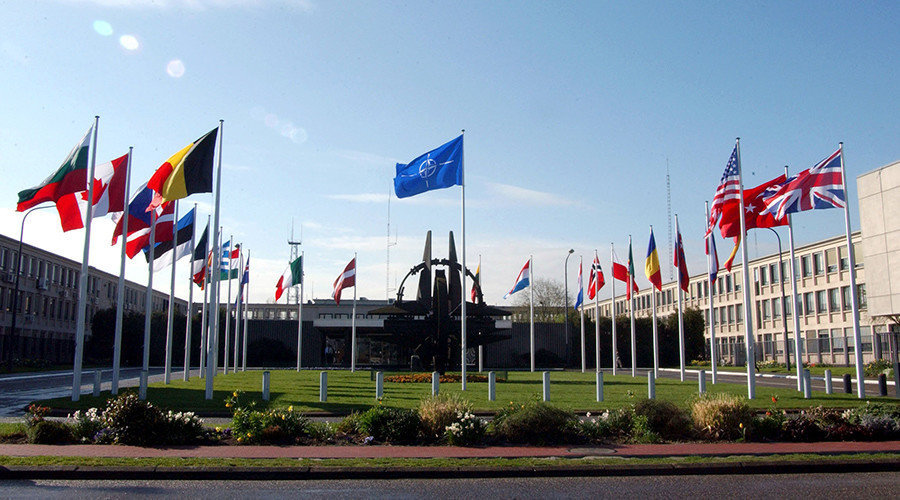
Russia's Permanent Representative to NATO Alexander Grushko said Wednesday:
"I think that this is a recognition that the project dubbed 'isolation of Russia' failed. It is evident that without Russia it is impossible to solve or regulate any international problem," Grushko told the Rossiya 1 television channel.
He underscored that NATO countries realize that they can't "keep isolating themselves from real processes in the sphere of security."
"This plays against the interests of not only global security, but also the alliance itself," Grushko said.



Comment: The US dollar appears to be in its death throes, see also:
Preparing for economic collapse? Fed issues ominous warning to JPMorgan Chase, leaders of world finance flock to secret meetings