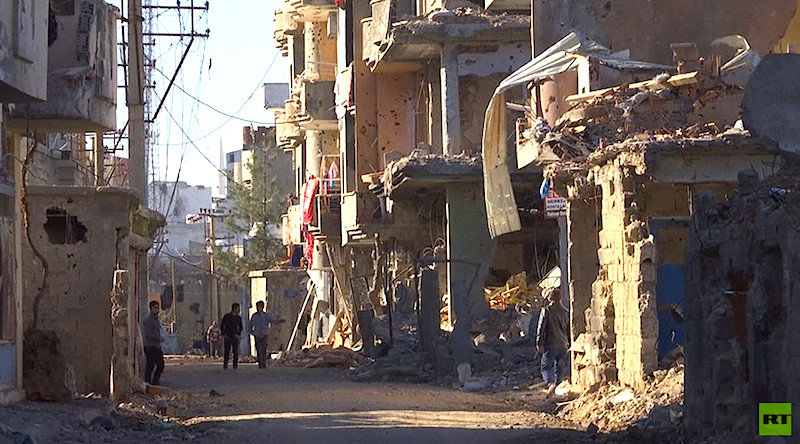
© RTWhere Kurds used to live.
While very
little is said in the Western media about Turkey's crackdown on the Kurds in southeast Turkey, and
journalists are virtually banned from the afflicted region, RT Documentary turned to locals for help in finding out what's really going on there.
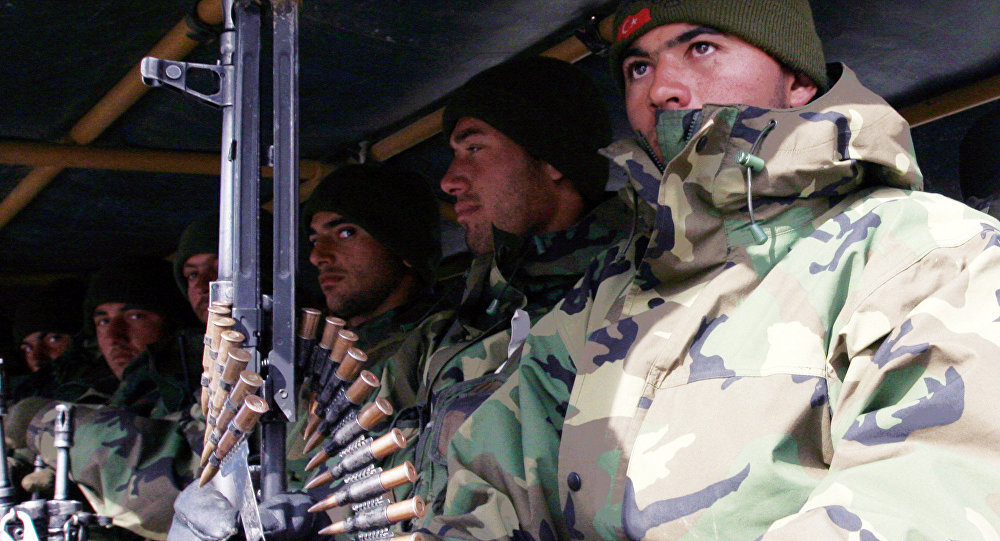
Journalists from RT Documentary channel (RTD) were introduced to Hilal, a reporter who lives in Turkey's troubled city of Diyarbakir. With the Turkish army in the region fighting
Kurdistan Worker's Party (PKK) forces, whom they call "terrorists," constant gun fights and explosions just a few blocks from her home have become a familiar sight for the journalist. The Kurds in the country's southeast are seeking more autonomy from the Turkish government. "For us it's normal. When I go to another city, I feel very weird, when I don't hear [any bombs going off]. Or, when I don't see any vehicles on the street, like our army everywhere, I feel weird. I think I got used to live with this," Hilal told RTD's Marina Kosareva.
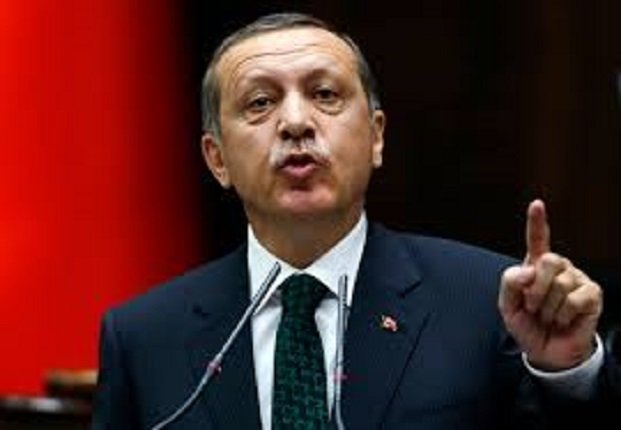
Turkish President Recep Tayyip Erdogan's government
denies international journalists and independent Turkish reporters access to the area under various pretexts, but Hilal has made it her mission to show the world what's happening in Turkey's southeast. "When I hear the sounds of bombs from my balcony, I can't just stay here and do nothing," she said.
It is extremely difficult for foreign journalists to work anywhere near the Turkish-Syrian border. Many reporters have been
detained and deported after trying to film news stories in the area. To overcome the news blackout, RTD asked Hilal to go to the border with her own cameraman to report on the situation in the frontier regions that Syrian refugees fleeing from Islamic State (IS, formerly ISIS/ISIL) try to reach. During her investigation, the Turkish reporter learned of
an illegal route by which people can be led across the border - for a fee. One teenager told Hilal that he had to pay a lot to a man at the border to have his mother transported out of Syria.
RT correspondent William Whiteman has also struggled to work out exactly what is happening in southeastern Turkey. Risking his life, he illegally traveled to the town of
Cizre - the scene of one of the bloodiest episodes in the Turkish government's campaign against the Kurds. The town near the Turkish-Syrian border was besieged for several months with tanks and heavy artillery.
"The thing that was most striking about the place was just the silence. When you're going around, it's just completely silent. You can only hear people sifting through the ruins of their former homes," he recalled.
One of his most horrifying impressions was the smell "of rotting bodies." "The smell in the basements where people supposedly have been burnt to death is really overpowering... [Locals] just said that Erdogan had killed civilians there," the reporter said, adding: "An old woman showed me around her neighbors' houses and she specifically said that
Erdogan's soldiers who are operating [there] looked and behaved like ISIS."











Comment: See Also:
Malaysia gets help investigating MH17 from Russia, Kiev in panic
MH17 deception: BUK bow-tie found by Dutch journalist likely planted
Russian investigation characterizes final MH17 crash report as 'unsubstantiated, inaccurate'