
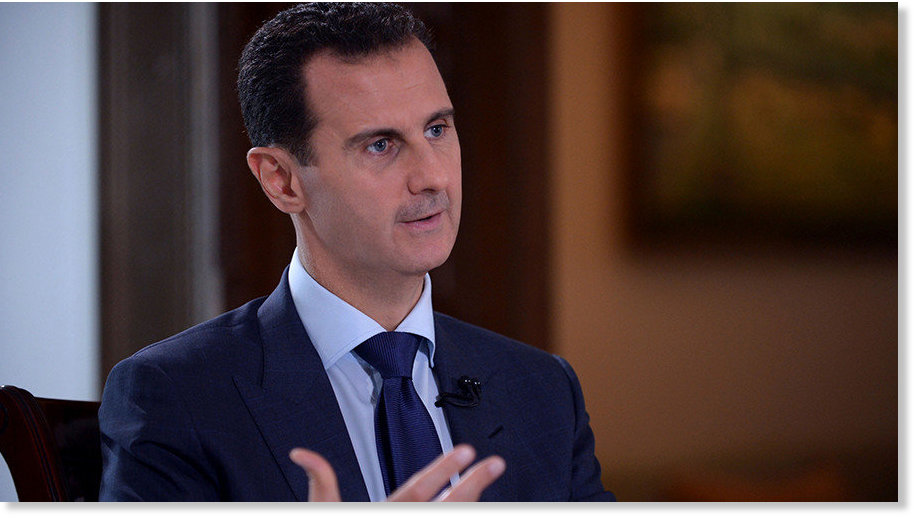
© SANA / ReutersSyria's democratically elected leader, President Bashar al-Assad
In an interview to Iranian magazine Tehran Foreign Policy Studies Quarterly on Wednesday, the Syrian president argued that the US resorts to force every time it fears a challenge to its clout and ability to control the international agenda unilaterally.
"United States builds its position on hegemony over other states and it has been the case since they took advantage of the USSR collapse and established unilateral control over this world up to this day," the president said, adding that the real motive behind US military interventions into foreign countries is to coerce them to submit to American authority, as in the case with Syria.
"Today, the United States are waging wars with the only goal to cement its project of total control by launching attack on everyone, who opposes its dominance," Assad said, noting that Washington "rejects" and "refuses to acknowledge" the nascent balance of powers in the world affairs and the rise of other states.

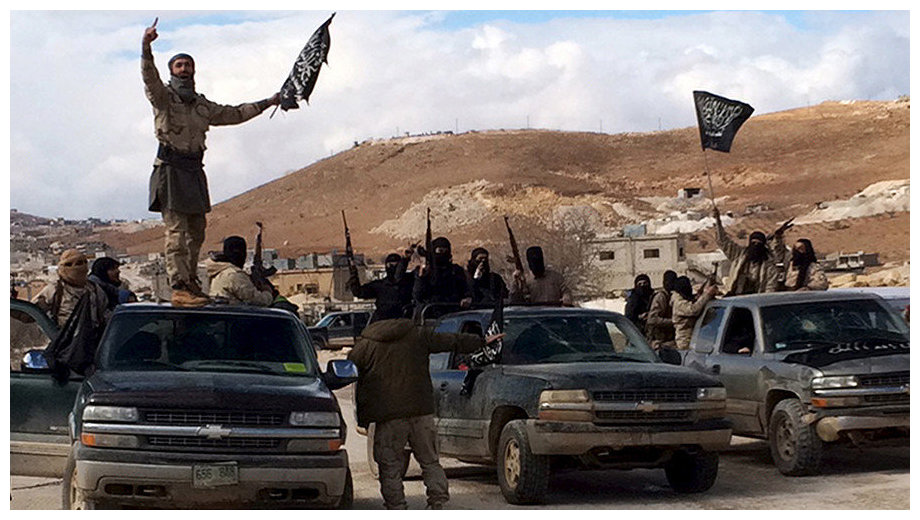
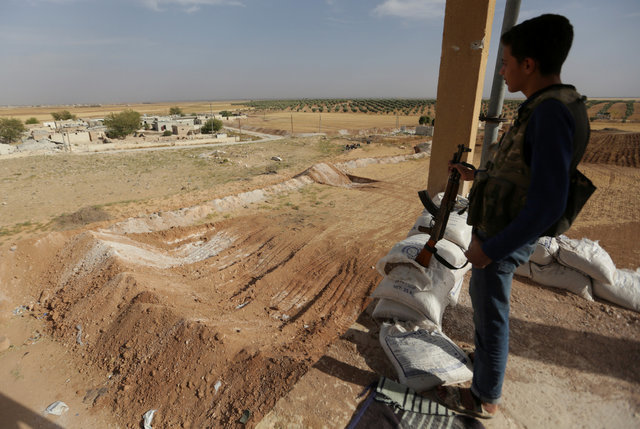












Comment: Maloof makes a number of excuses for the United States under the cover of criticism. It should be quite apparent that the US was never interested in negotiation, diplomacy, or sincere talks about Syria. Russia has pushed for talks over and over again, only to be met with obfuscation, stalling, and even craven violence. There has been no change in policy. The US wants what it has always wanted in Syria: chaos and collapse. The question many have now is how far they are willing to go. They will likely follow the same course they have for decades, which would not be to directly engage in a 'hot war' but to continue pushing the boundaries through covert and cowardly maneuvers.