OF THE
TIMES
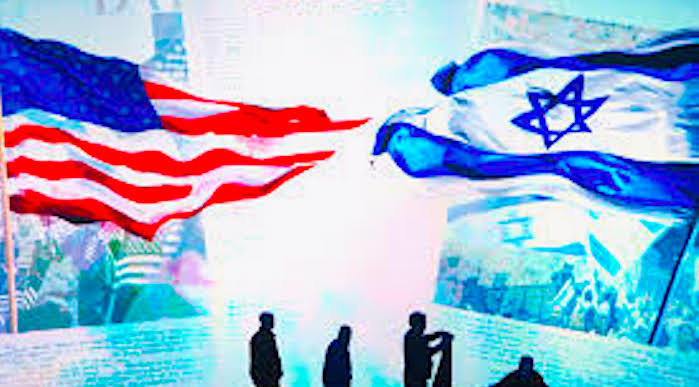
President Barack Obama's ill-advised decision to order the U.S. to abstain on a United Nations resolution condemning Israeli settlements breaks with past U.S. policy, undermines a vital ally and sets back the cause of Middle East peace.There are many weak arguments against the recent Security Council resolution, but the claim that it "sets back the cause of Middle East peace" stands out for its sheer bad faith. There is a broad international consensus that settlement-building in the occupied territories is both illegal and a barrier to a negotiated resolution of the conflict. No one who is genuinely interested in securing a negotiated resolution of the conflict thinks that continued settlement construction makes a peace agreement more likely.

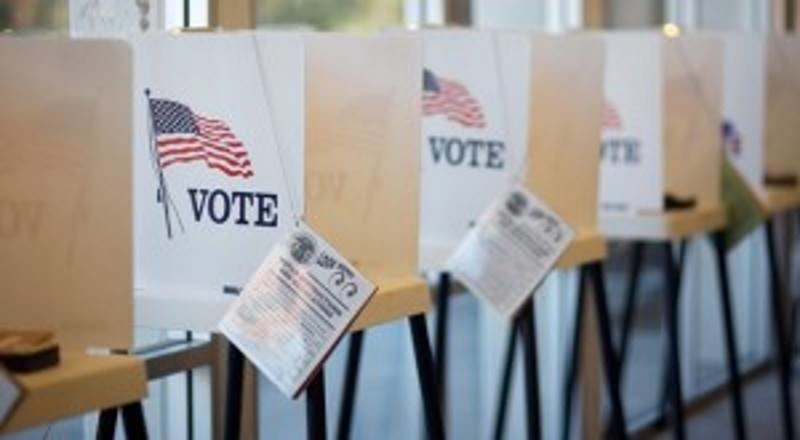
The response, unveiled just weeks before President Obama leaves office, culminates months of internal debate over how to react to Russia's election-year provocations. In recent months, the FBI and CIA have concluded that Russia intervened repeatedly in the 2016 election, leaking damaging information in an attempt to undermine the electoral process and help Donald Trump take the White House.The "damaging information" that was leaked, however, was disseminated by Wikileaks, and likely the result of an internal whistle-blower, not Russian operatives. Questions surrounding the veracity of America's claims are owed to a substantial lack of evidence provided by US departments and agencies involved in both the investigation and the punitive measures applied in its wake.
"CIA Director John Brennan has not provided a single piece of evidence on Russia using scorched earth policies in Syria. His statements are as unfounded as accusations of Moscow carrying out cyberattacks during the US presidential elections," Klintsevich told RIA Novosti.A dose of reality:
"Did the United States leave anything but scorched earth, which still only yields terrorists, after the invasion of Iraq?" Klintsevich said.
As the battle for Aleppo ended in decisive victory for the Syrian army, Russian medical personnel rushed to provide assistance to sick and weary civilians.
While the battle for the city may be over, Russian doctors in Aleppo are now engaged in a different kind of fight: a fight for the lives, health and well-being of the local civilians.
Working in makeshift tents practically around the clock, with little time between shifts to grab some foot or take a nap, Russian medics at the al-Mahaledzh camp treat about 140 people a day.
Lt. Col. Oleg Guryan, a medical officer stationed at the camp, told Ruptly that most of their patients are people seeking treatment for "purulent diseases."
"People with injuries [which became] infected after mine-explosive and gunshot wounds come here. People haven't bandaged [their wounds] for a very long time - for five-seven days and even more," Guryan said.
The first Russian mobile hospitals were deployed to Aleppo in November 30. On December 5 a mortar attack against one of these facilities, carried out by terrorists entrenched in the city, claimed the lives of two Russian nurses, Nadezhda Durachenko and Galina Mikhailova, and injured Col. Vadim Arsentyev, a pediatrician.

"The President-elect has expressed his very sincere and healthy skepticism about intelligence conclusions," Pence told reporters. "Given some of the intelligence failures of the recent years the President-elect has made it clear that he's skeptical about some of the conclusions."Trump tweeted some more today:
Comment: See also: 50 facts the world needs to know about the CIA's influence on media and spreading propaganda