Puppet MastersS


Vader

The consequences of the Empire losing control

fall defeat empire graphic
Will this complete miscalculation by the US lead to the downfall of Israel and the loss of U.S. influence in the Middle East?

Introduction

Some considered the assessment in our article "Attack on Iran - the Defining Turning Point of 21st Century History" to be an exaggeration; however, it appears we were quite correct: The greatest geopolitical blunder of the 21st century so far — the latest in a series of misguided decisions — will redraw the map of the Middle East. The parties that will dominate decision-making in the future at one of the world's most important energy and transportation hubs will be other than those we know today. A turning point in world history — one unthinkable to the West — is beginning.

In this article, I reflect on the consequences of this senseless attack. It does indeed appear that the very existence of Israel as a Zionist project — and thus as a state in its current form — is now up for debate. Furthermore, we currently see no path that will allow the US to maintain its power in the Middle East. Its military infrastructure depends on Gulf states, which see their existence threatened by their proximity to the US. They have realized that the US cannot protect them — indeed, does not even want to — while the Iranians are very much capable of destroying them. Europe is now realizing that it is merely a footnote in geopolitics and risks becoming the world's poorhouse. We can safely set aside the outcry from Merz & Co. in this article. Ms. von der Leyen will go down in history as the destroyer of the EU. One of the Americans' goals was to destroy China's energy sector, for after Venezuela, they wanted to bring a second major energy supplier of the Middle Kingdom under their control. Another inconvenient truth will emerge. Russia is becoming richer and more powerful as a result of this failed US adventure. Will the US suffer the same fate in the Middle East as the Ottomans once did?

Oil Pipeline

Bessent Greenlights Sale Of Russian Oil At Sea To 'Promote Stability In Global Energy Markets'

oil refinery
© CNBC
In a statement late Thursday on X, U.S. Treasury Secretary Scott Bessent announced that the U.S. will allow countries to purchase Russian crude oil already at sea. The move aims to temporarily boost global supply availability, as the IEA warned earlier that the Middle East conflict has sparked one of the worst energy shocks on record.

"To increase the global reach of existing supply, @USTreasury is providing a temporary authorization to permit countries to purchase Russian oil currently stranded at sea," Bessent said.

He continued, "This narrowly tailored, short-term measure applies only to oil already in transit and will not provide significant financial benefit to the Russian government, which derives the majority of its energy revenue from taxes assessed at the point of extraction."

Attention

Global trade just learned a brutal lesson: Control the chokepoints, control the world

Straits of Hormuz
© Islander Reports
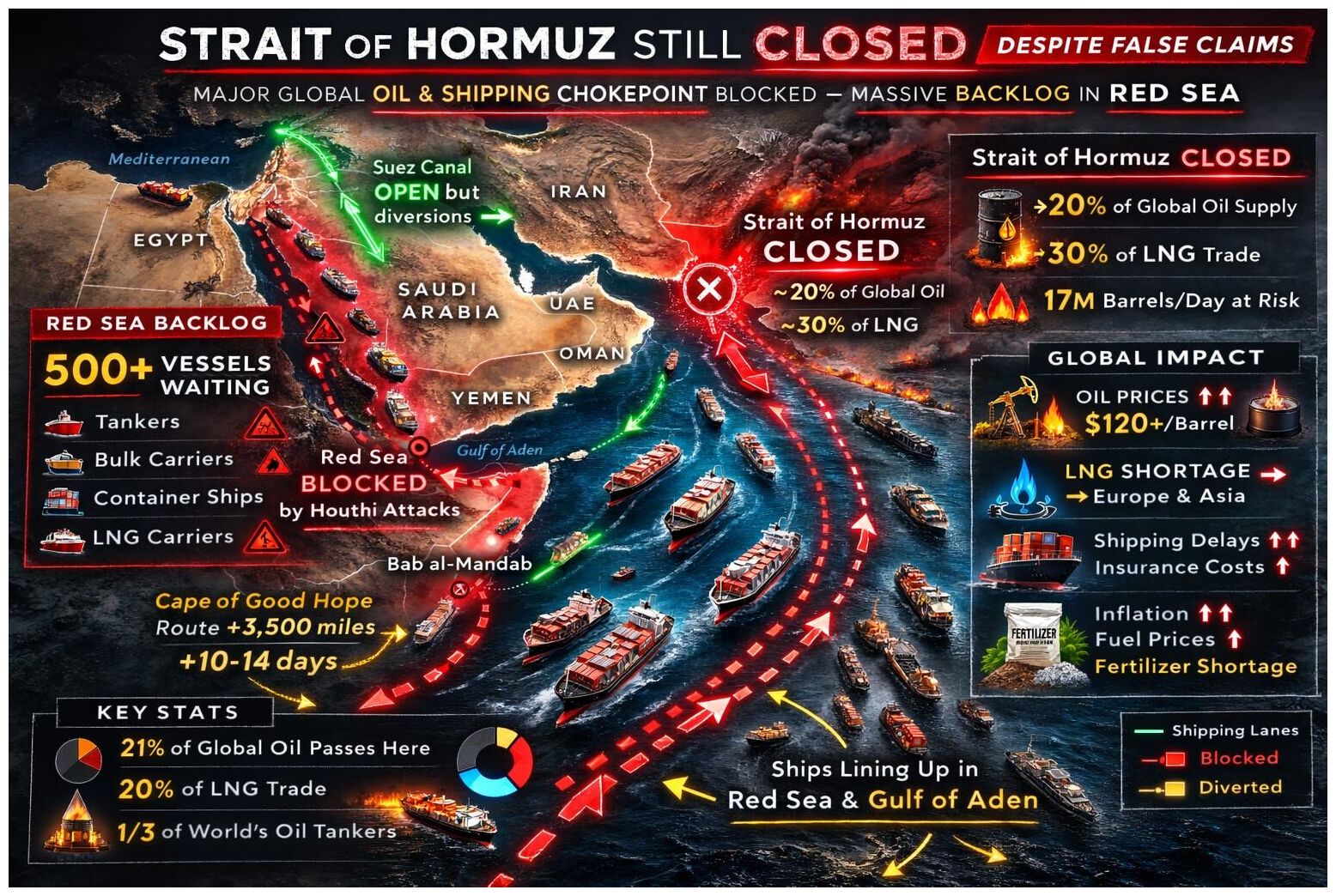
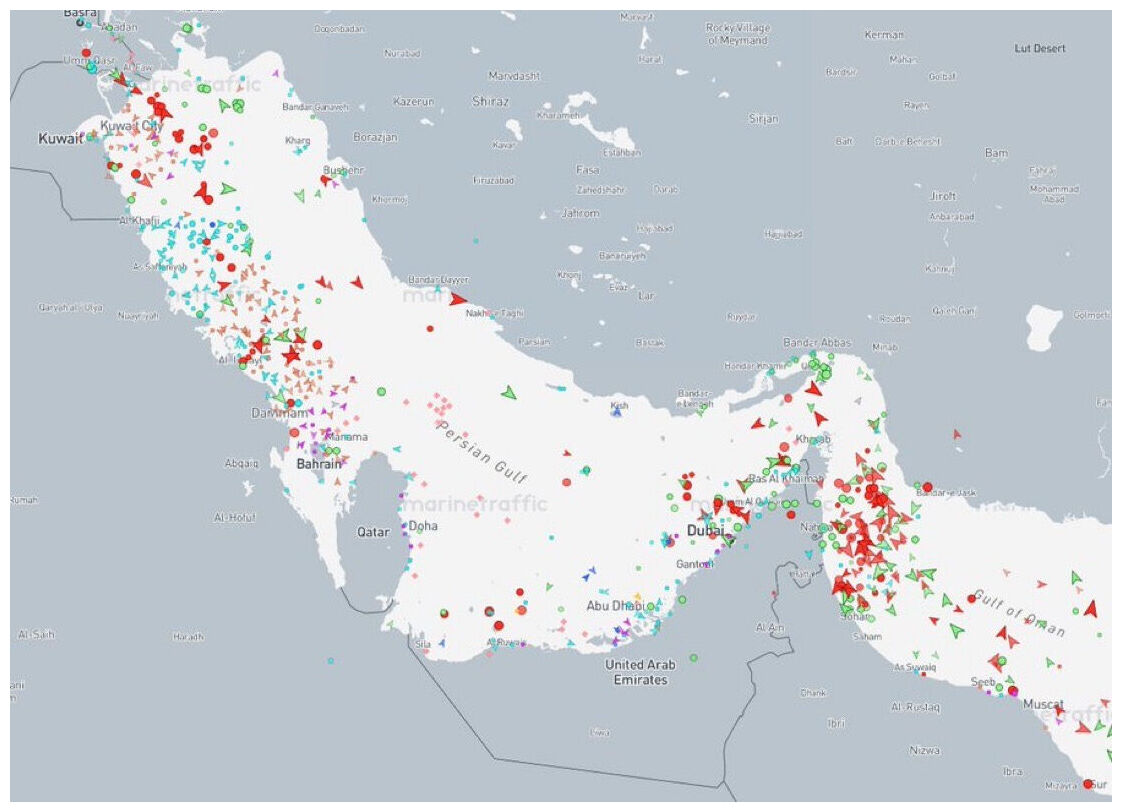
The Persian Gulf, one of the most trafficked bodies of water on earth is a ghost. The Strait of Hormuz, which normally processes 138 ships every single day, is down to two or three transits (all approved by Iran). The only vessels still moving are shadow fleet ships running dark, AIS switched off, no insurance, no rules. Every Western tanker, their LNG carriers, every bulk cargo vessel has stopped. Anchored and waiting. Going nowhere.

Trump said the strait would be open "very soon." He said it on Day 5. He said it on Day 10. He's still saying it on Day 16. Meanwhile his own Energy Secretary quietly told CNN "worst case, that's a few weeks."
Shipping Hormuz
© Islander Reports
Iran's new Supreme Leader said on March 12 in plain language, "the Strait of Hormuz must remain closed." The IRGC commander mocked Trump's Epstein coalition request for China and Russia to help by pointing out the strait "has not yet been militarily closed — it is merely under control." They don't even need to formally close it. The threat alone is enough.

People

Securing Strait of Hormuz should be 'a team effort' - Trump

Strait of Hormuz
Strait of Hormuz, Gulf of Oman
The US president has demanded that China, Japan, and other nations deploy naval units to the vital route to protect maritime traffic from Iranian strikes

Countries that receive oil through the Strait of Hormuz "must take care" of securing it, US President Donald Trump said in a post on Truth Social late on Saturday, adding that Washington "will help - A LOT!"

The US and Israel began coordinated strikes on the Islamic Republic in late February, triggering Iranian retaliatory attacks across the region. The escalating crisis has effectively shut down the Strait of Hormuz, which carries about one-fifth of the world's daily oil and gas supply, after Tehran barred vessels from countries it considers hostile, sending global crude prices up nearly 50% to about $120 a barrel.

In an earlier post the same day, Donald Trump said he hoped "China, France, Japan, South Korea, the UK and others affected by this artificial constraint will send ships to the area."

"In the meantime, the United States will be bombing the hell out of the shoreline, and continually shooting Iranian Boats and Ships out of the water," he wrote.


Comment: One wonders why Trump mentions China as it is still getting oil through.


Comment: Some countries might feel slightly puzzled why Trump now thinks it should be a team effort to open it, as there wasn't much consulting the rest of the world about starting the conflict. Then again, the US didn't actually start it, but was pushed by Israel as Rubio said shortly after.

See also: NewsReal: USA & Israel Confident of 'Victory' Despite Strong Iranian Resistance


SOTT Logo Radio

SOTT Focus: NewsReal: USA & Israel Confident of 'Victory' Despite Strong Iranian Resistance

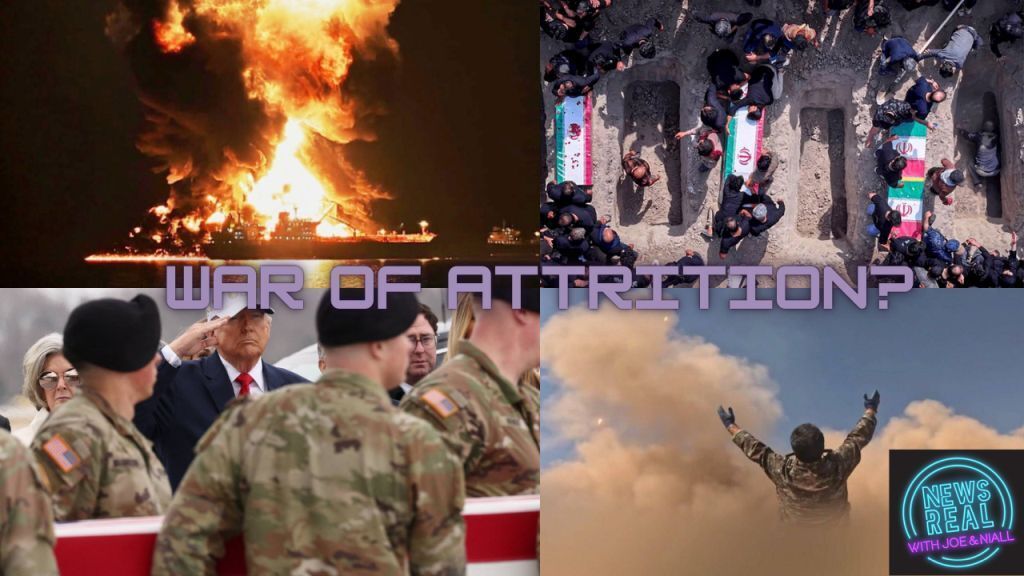
iran war newsreal
© Sott.net
Something's gotta give. Iran is being practically carpet-bombed, resulting in widespread civilian destruction. Despite near-total regional censorship, satellite imagery and some video footage is documenting mild-to-strong 'hits' on US bases and other assets across the whole region. Trump assures us Iran's military is 'destroyed', yet he acknowledges Iran's de facto closure of the Strait of Hormuz and the high risks this presents for the regional and thus global economy.

The heavy criticism Trump has come under for 'blundering into war' overlooks something though: neither he nor the 'permanent govt' advisors he listens to is oblivious to the knock-on effects of what they're doing. However chaotic the situation appears - and the situation IS chaotic! - they're confident they can contain both Iran and the 'oil shock' situation they've created.

They are, after all, "history's actors," and the rest of us are left, as usual, "to study what they do..." They may be losing public support, but when has that ever counted in Western 'interventions' in the Mid-East?


Running Time: 02:14:07

Download: MP3 — 123 MB


Bad Guys

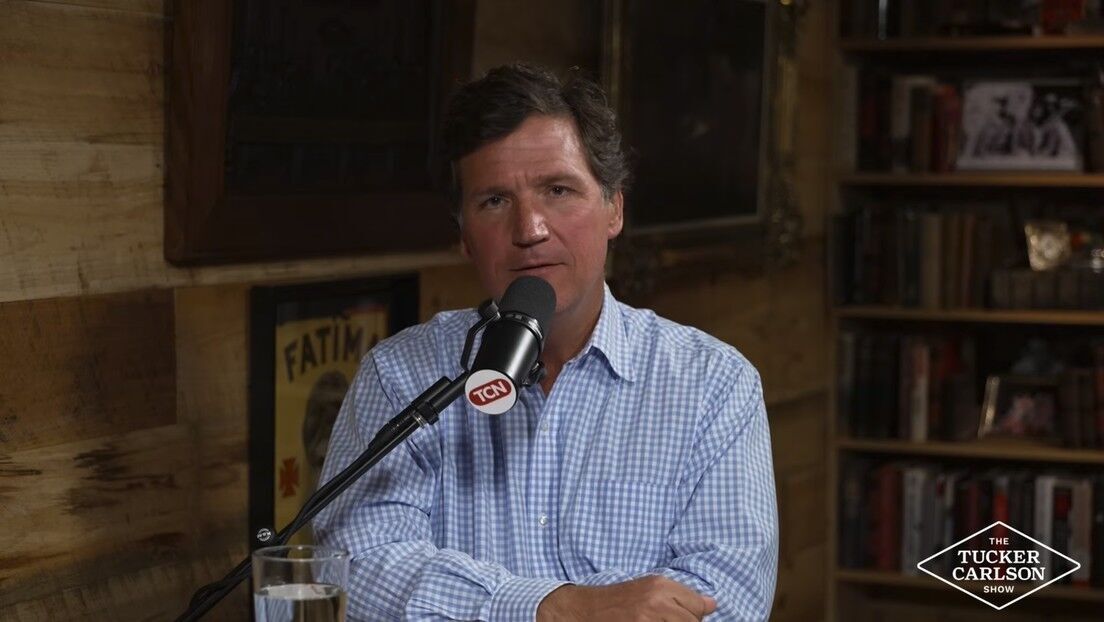
Tucker Carlson claims CIA trying to frame him for FARA violation; loony Loomer celebrates

Tucker Carlson
© X @TuckerCarlsonTucker Carlson
In a bombshell Saturday monologue, conservative commentator Tucker Carlson alleged that the CIA has been monitoring his private text messages as part of an effort to frame him for a crime and trigger a criminal referral to the Department of Justice (DOJ).

"The other day I found out that the CIA is preparing some kind of criminal referral against me, a crime report to the Department of Justice on the basis of a supposed crime I committed. What's that crime? Well, talking to people in Iran before the war. They read my texts," Carlson said, adding that the alleged violation under consideration involves the Foreign Agents Registration Act (FARA), the 1938 law requiring individuals acting on behalf of foreign governments or entities to register with the DOJ and disclose their activities. Carlson emphatically denied any wrongdoing, insisting he is not a foreign agent and remains loyal to the United States.

Control Panel

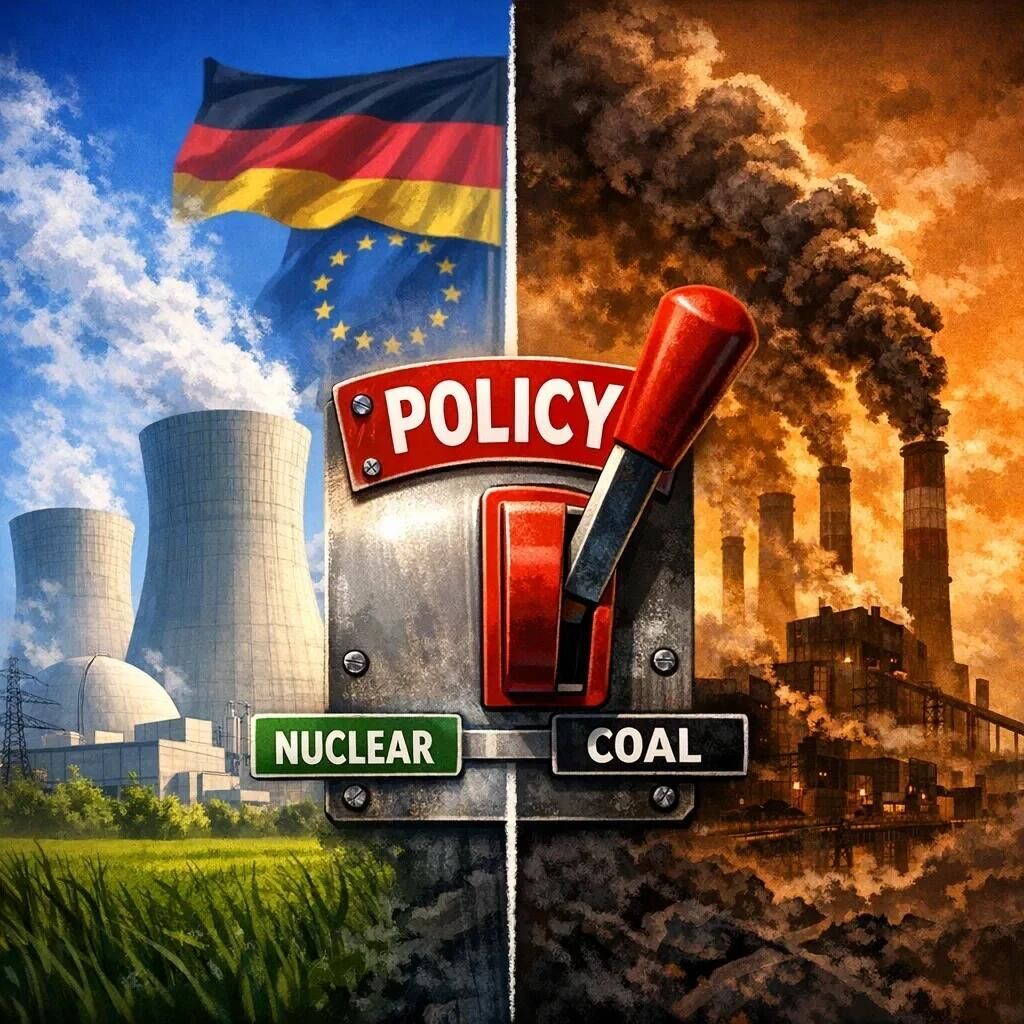
The Most Expensive Science Lesson in European History

Graphic of German nuclear to coal
On March 11, 2011, a magnitude 9.0 earthquake struck off the coast of Japan and triggered a massive tsunami that slammed into the Fukushima Daiichi nuclear power plant. Three of the plant's six reactors melted down, and it became the worst nuclear disaster since Chernobyl.

On the other side of the world, German Chancellor Angela Merkel panicked.

Her government had extended the operating lives of Germany's 17 nuclear reactors just five months earlier. But, because of the earthquake in Japan, Merkel reversed course overnight and mothballed eight German reactors.

But Merkel's decision wasn't really about natural disasters. It was political.

Comment: Adding to Germany's woes is their going for broke support for Ukraine.

Europe's Suicide Pact: Debt, War Economy, And The Climate Cult


Treasure Chest

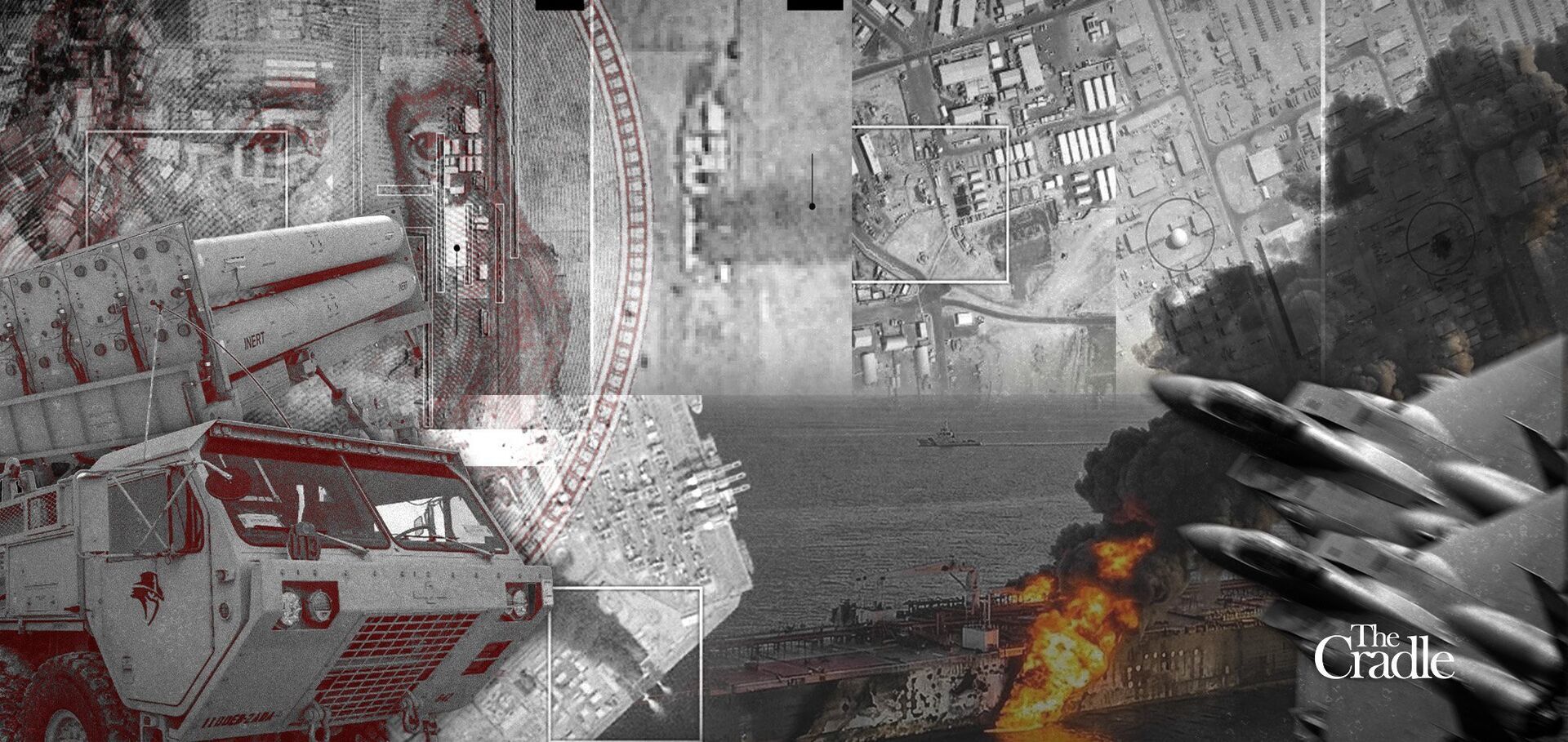
The price of war on Iran: Washington's mounting military and financial drain

Iran composite war photo
© The Cradle
As the conflict widens, the decisive arena may shift from the battlefield itself to the immense economic and military burden of sustaining a prolonged war against a prepared regional power.

The US-Israeli war on Iran has triggered one of the most dangerous escalations witnessed in West Asia in recent years. US military bases spread across the Persian Gulf region have increasingly come under direct missile and drone attack, marking a significant shift in the nature of regional warfare.

While initial coverage concentrated on battlefield developments and the pace of aerial bombardment, the broader and more consequential cost of confrontation - both military and economic - has gradually begun to take shape.

Alongside reciprocal strikes, there are growing indications of rapid depletion in high‑value missile defense systems, extensive use of expensive strategic munitions, and rising operational strain across US forces.

At the same time, global markets and energy supply chains have begun to respond to the expanding confrontation. These overlapping dynamics raise fundamental questions about the distribution of losses during the early phase of the war and about the long‑term trajectory of escalation.

Comment: The cost of the war is escalating rapidly and especially when the financial markets wake up to the fact that the celebratory bravado coming from the US administration is only hot air and not grounded in reality. With the loss of cheap energy, the AI bubble will collapse.

The most expensive loss, is the loss of trust in the US as a reliable country, in the US mighty dollar and the loss of the image of US military superiority.

Countries around the world will think twice about whether to arm themselves to the teeth with US missile defence systems, which have proven highly expensive, limited in number and not really up to the job or whether to make concessions and make peace agreements with neighbouring countries.


Bad Guys

Messianic Theology is now Israeli State Policy

Netanyahu and Rebbe
For decades, the Western gaze has mapped onto Israel the familiar contours of a modern liberal democracy — a tech-savvy, secular state navigating the rough neighborhood of the Middle East with a pragmatic eye on security and strategic depth. But to listen to the rhetoric echoing out of Jerusalem this spring is to realize that this secular model is obsolete. On March 12, 2026, Prime Minister Benjamin Netanyahu stood before the nation and spoke not of buffer zones or GDP, but of a metaphysical "place of rest and heritage" and the arrival of the "Days of the Messiah."

The message was clear: the Israeli state is no longer merely a refuge for a people; it has become, in the eyes of its leaders, an instrument of divine prophecy. For the secular economies of the West, which rely on materialist explanations like oil, land, and power to understand the world, this theological pivot is almost impossible to parse. Yet, without integrating these messianic undercurrents into our model of the nation, we are effectively flying blind.

Comment: While the religious aspect is important, it is important to consider that those religious extremists are likely just useful idiots directed by some darker forces who have no religious affiliations. Those darker forces may be partly human entities but also hyperdimensional entities operating on another scale.


Boat

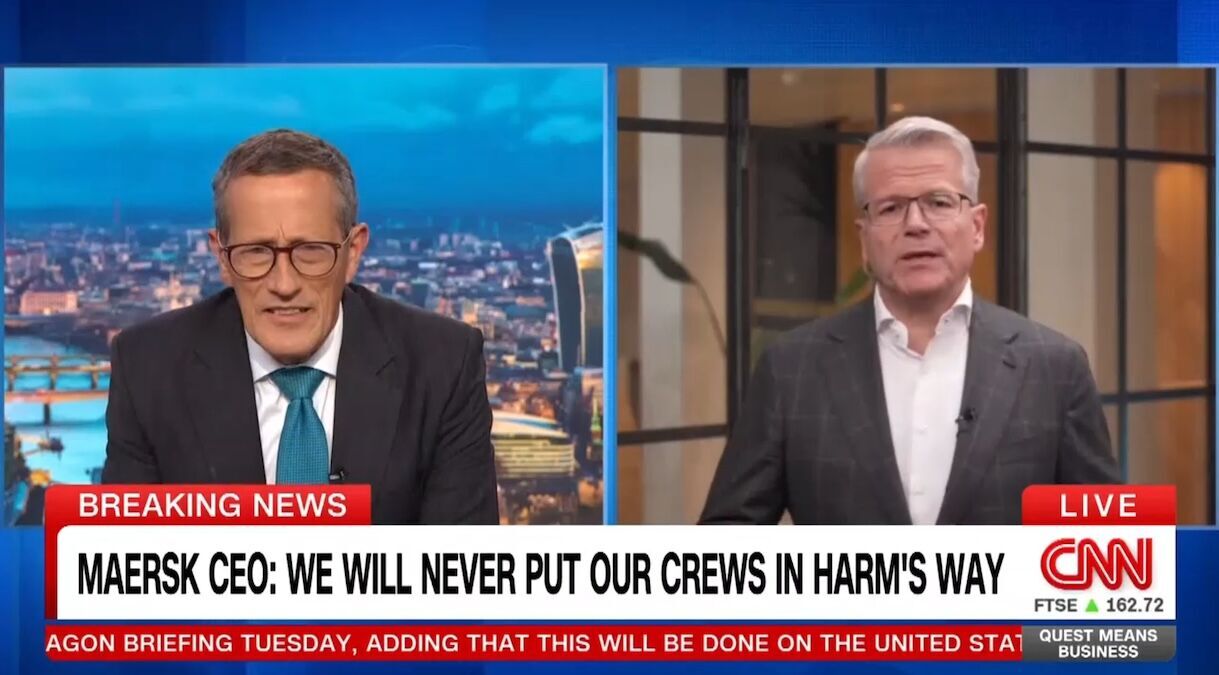
Ten Maersk Ships 'Trapped' In Persian Gulf

Screenshot from Maersk CEO
© MaerskMaersk CEO Vincent Clerc (r) says the closing of the Strait of Hormuz has global shipping in "uncharted territory"
The closure of the Strait of Hormuz by Iran has effectively trapped 10 Maersk ships in the Persian Gulf, its chief executive said.

In separate interviews with CNN and the Wall Street Journal, Vincent Clerc said the Danish carrier's ships "cannot get out," are "stuck in the Upper Gulf" and cannot leave the region.

As a safety measure, Clerc said the vessels have been grouped offshore and away from ports under attack. At least one ship is under contract to the U.S. government's Military Sealift Command, according to data on maritime identification websites.

Even if a ceasefire allowed vessel traffic to begin moving, Clerc said it would take a week to 10 days for the world's second-largest liner (MAERSK-B.CO) to resume normal operations.

Clerc's comments underscore the frustrations of shipping lines who have requested and repeatedly been denied naval escorts by the Trump administration. Carriers have been told in briefings that the Strait is still too dangerous for transit.


Comment: Trump had said earlier that the US navy would escort ships through the Hormuz strait but the navy quickly rejected that.


Comment: The CEO is right, this is uncharted territory with no end appearing at the moment. The US/Israel made a fatal mistake in attacking Iran.

While the US/Israel are superior in military hardware and high tech weapons, Iran has strong spiritual values and has been working for years on how to counter such an attack in asymmetric ways. For Iran the fight is existential. The attack has been on the agenda for the last 30 years at least, with Wesley Clark making it clear after 9/11/2001 that the US was going to war with 7 countries and with Iran being the last on the list.

Iran's position is clear about the Strait of Hormuz:


See also: Iran war accelerates the collapse of the West