Puppet MastersS


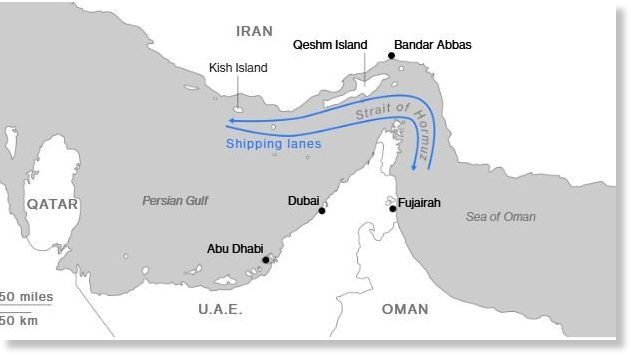
Map

In Scramble To Open Up Hormuz, France & Italy Open Talks With Iran After India's Request

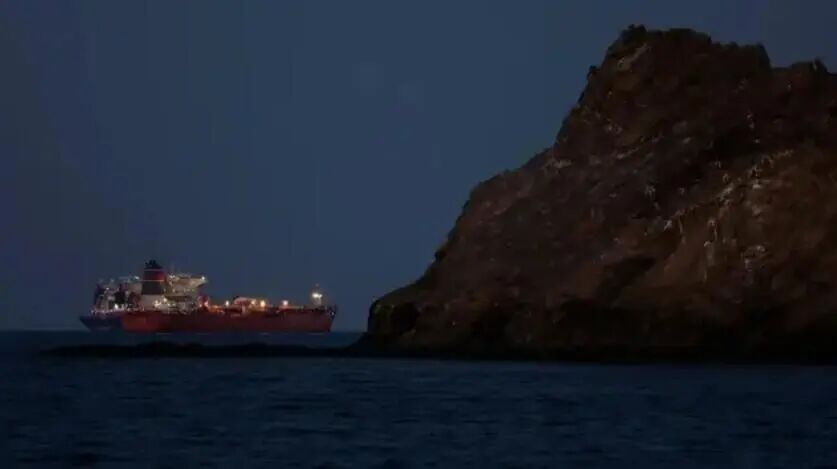
Tanker in Strait of Hormuz
© Yeni Safak
Amid very confused and mixed messaging coming from Washington over the status and future fate of Hormuz oil transit, the EU is trying its hand at a solution.

France ⁠and ⁠Italy have ​opened 'tentative' talks with Iran seeking ⁠to ⁠negotiate a deal to ​guarantee safe ​passage for their tankers ⁠through vital strait which remains a crucial chokepoint for stalled global crude transit, the ​Financial ⁠Times reports Friday, citing people briefed on ⁠the efforts.

This comes as US Secretary of War Pete Hegseth said in a Friday morning Pentagon briefing there is "no clear evidence that Iran has laid mines" in the Strait. This contradicts an avalanche of reporting from earlier this week which said at least a dozen mines were laid.

Comment: Flirting with disaster while the US and Israel are all in against Iran no matter the cost.


Revolver

Epstein Guard Called To Testify As Oversight Committee Explores Potential Murder

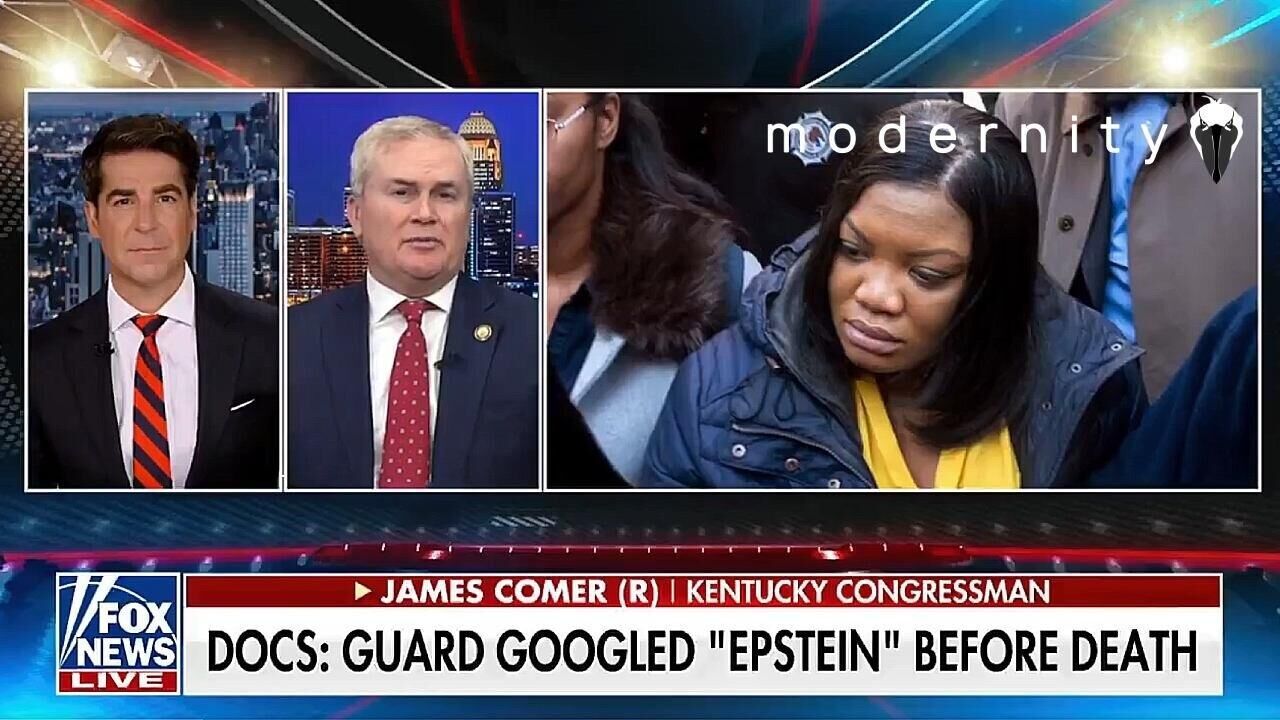
Fox news screenshot
House Oversight Chairman James Comer is ramping up the heat on the botched handling of Jeffrey Epstein's custody, announcing a subpoena for prison guard Tova Noel amid bombshell revelations of suspicious cash deposits and online searches just before the disgraced elitist's alleged suicide.

With fresh DOJ documents unearthing red flags that scream cover-up, Comer's move signals a long-overdue push for transparency against the bureaucratic stonewalling that has shielded powerful figures tied to Epstein's web of abuse.

Comer dropped the news during a Fox News interview, pointing to media reports and overlooked Justice Department records that cast doubt on the official narrative of Epstein's 2019 death at the Metropolitan Correctional Center.


"Well, the recent media reports, what you just said, are very concerning — especially the suspicious activity report on a $5,000 mysterious deposit that she had," Comer told host Jesse Watters. "The reason that stands out to me, Jesse, is because very seldom are suspicious activity reports even reported for sums less than $10,000."

"That's a mystery there, and that's something that, according to the DOJ documents, they never looked into — never asked her about," he continued.

Comment: While the people want justice to be served, the elite have closed ranks and will make sure that the system of which Epstein only was a paid servant, will remain largely unscathed. The likelyhood that he remains alive is high.

See also:


Megaphone

Finnish spy chief admits there's no evidence that Russia sabotaged Baltic cables

Finnish ships
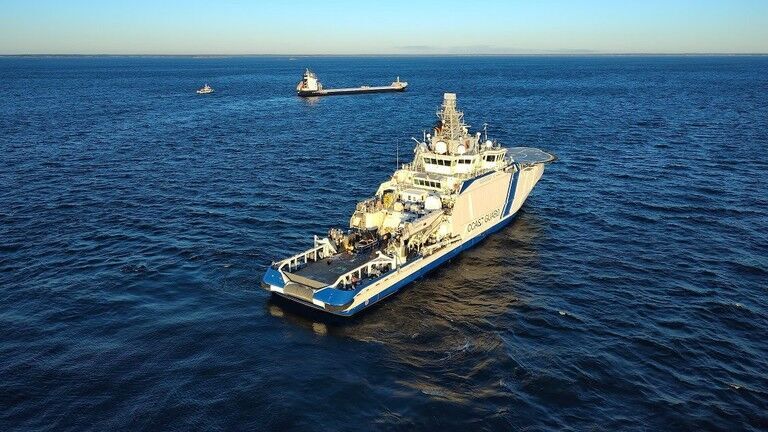
Finnish vessels pictured after seizing a ship suspected damaging undersea cables in December 2025.
No trace of "deliberate Russian state activity" has been found in repeated incidents involving undersea power and communications lines, Finland's spy chief says.

Russia was not behind a series of ruptures in underwater cables in the Baltic Sea, Finland's spy chief has admitted, adding that the assessment is "very broadly" shared within the European intelligence community.

Seabed infrastructure in the waterway has been repeatedly damaged in a series of incidents over the past two years. Several merchant vessels have been found dragging their anchors across the seabed, damaging power and communication cables in the process.

While some NATO and EU officials have accused Russia of sabotage and "hybrid warfare," no evidence to back up the allegations has ever emerged. Moscow has repeatedly dismissed such claims as "absurd" and baseless.

Speaking to the outlet Suomen Kuvalehti in an interview published on Wednesday, Juha Martelius, the head of the Finnish Security and Intelligence Service (Supo), admitted that no proof of Moscow's involvement had been found.

Comment: So it was just political propaganda as many pointed out at the time. Yet, NATO and the EU needed to paint Russia as a malign actor who were out to harm the West so lying and fabrication of narratives were the go to methods.

See also:


Attention

How Russia and India approach the war on Iran

This is part 2 of a two-part analysis. Please read part 1 here.
Russia Iran Flag
© Public Domain
President Putin sent a gracious message to Ayatollah Mojtaba Khamenei, personally congratulating him on his election as Supreme Leader of the Islamic Republic of Iran.

Words do (italics mine) matter:

"At a time when Iran is confronting armed aggression, your efforts in this high position will undoubtedly require great courage and dedication. I am confident that you will honourably continue your father's work and unite the Iranian people in the face of an immense ordeal."

After stressing foreign "aggression" and continuity of government, Putin reiterated the strategic partnership in no uncertain terms:

"For my part, I would like to reaffirm our unwavering support for Tehran and solidarity with our Iranian friends. Russia has been and will remain a reliable partner for the Islamic Republic."

Cue to a desperate President Trump, or neo-Caligula, placing a call to Putin, essentialy to ask him to intervene as a mediator to convince Iran into accepting a ceasefire. What he heard instead was a polite enumeration of unpleasant facts regarding the war of choice launched by the Epstein Syndicate on Iran.

Trump is throwing his favorite envoy Steve Witkoff under the bus, alongside puny Jared Kushner and the push up clown posing as Secretary of Forever Wars, as the ones who forced him to bomb Iran. It's Witkoff who claimed after the phone call that Russia stated it's not transferring intel data to Iran, as confirmed, he said, by presidential assistant for international affairs Yuri Ushakov.

Nonsense. Ushakov never said such a thing. Russians at the highest political level do not comment on military matters linked to their strategic partnerships with both Iran and China.

Now for the facts.

Russian Flag

Everyone's new best friend: Russian envoy meets with US team on energy markets crisis

Kirill Dmitriev
© Sputnik/Sergey BobylevKirill Dmitriev, Special Representative of the President of Russia for Investment and Economic Cooperation with Foreign Countries.
With the globe's attention focused on the now almost two week long ongoing Iran war, Moscow is busy in the sidelines making strides to improve bilateral relations with the United States, while demonstrating how vital Russia is to global energy markets.

Kirill Dmitriev, Putin's directly appointed special envoy, held a meeting in the US "with the heads of the working group on economic cooperation between Russia and the United States," according to his Telegram statement and fresh reporting in Bloomberg.

Dmitriev and US officials discussed "promising projects that could contribute to the restoration of Russian-American relations, as well as the current crisis in global energy markets" - according to the top Kremlin official's statement.

Comment: Russian diplomacy to the rescue. But there will be a price to pay down the road, bet on it.


Bizarro Earth

Why constant talk of TACO is likely wrong; both sides escalating

strait hormuz
© bne IntelliNews
The only way out of this crisis is through

We warned 2026 would tell 2025, which revolved around tariffs, 'Hold my beer': yesterday, the US launched two new Section 301 trade investigations, and it hardly registered in the headlines even if it could lead to higher, court-immune US tariffs this summer vs China, the EU, India, Japan, South Korea, Mexico, Taiwan, Vietnam, Thailand, Malaysia, Cambodia, Singapore, Indonesia, Bangladesh, Switzerland, and Norway.

The focus is instead on Iran and Hormuz, as Brent oil tests towards $100 a barrel this morning. As also warned, things are going to escalate before any de-escalation on those fronts. Ignore that "There's "practically nothing left" to target in Iran"; balance news that US intelligence says Iran's government is not at risk of collapse with reports suggesting potential cracks forming in it; and above all heed our underlying geopolitical logic, echoed in the Wall Street Journal, that 'Ending Iran War Quickly Carries Big Risks for the US and Allies' because "Leaving the regime undefeated could motivate Tehran to develop nuclear weapons and leave it in control of much of the world's energy flows." That's why constant talk of TACO is likely wrong, and both sides are escalating.

Comment: A smorgasboard of possibilities, though Every's take on Ukraine is overly optimistic. Artisanal drones produced in small factories will never compete with Russia's industrial might. As to the rest, yes, the only way out is through. Best done with eyes wide open.


Bullseye

Israel-slamming GOP candidate is capturing the youth vote in Florida governor race

James Fishback florida governor race campaign
© Juleidi MachucaUF College Republicans hosted candidate James Fishback at Gubernatorial Town Hall on Wednesday, March 11th, 2026 in Gainesville, Fla.
In the latest indication of a sea change in US politics, a Republican Florida gubernatorial candidate who's made opposition to US support of Israel a cornerstone of his campaign is winning the young-GOP vote by a wide margin. Combining social media savvy with oratorical flair, the Georgetown dropout-turned-investor and hedge fund manager is likely to continue making gains in his long-shot drive to succeed term-limited Ron DeSantis.

Whatever the final tally, however, his domination of the youth vote may portend the end of the GOP's role as bastion of support for Israel. Chasing Trump-endorsed frontrunner Byron Donalds, James Fishback has only reached mid-single-digits among the broad GOP electorate. However, among 18-to-34-year-olds, Fishback trounces Donalds, 32% to 8%.

Comment: Tucker Carlson recently interviewed Mr. Fishback. He comes across as intelligent, measured, and deeply committed to his platform.


Oil Pipeline

Trump may temporarily waive the 100-year-old oil shipping law to alleviate potential oil shortage

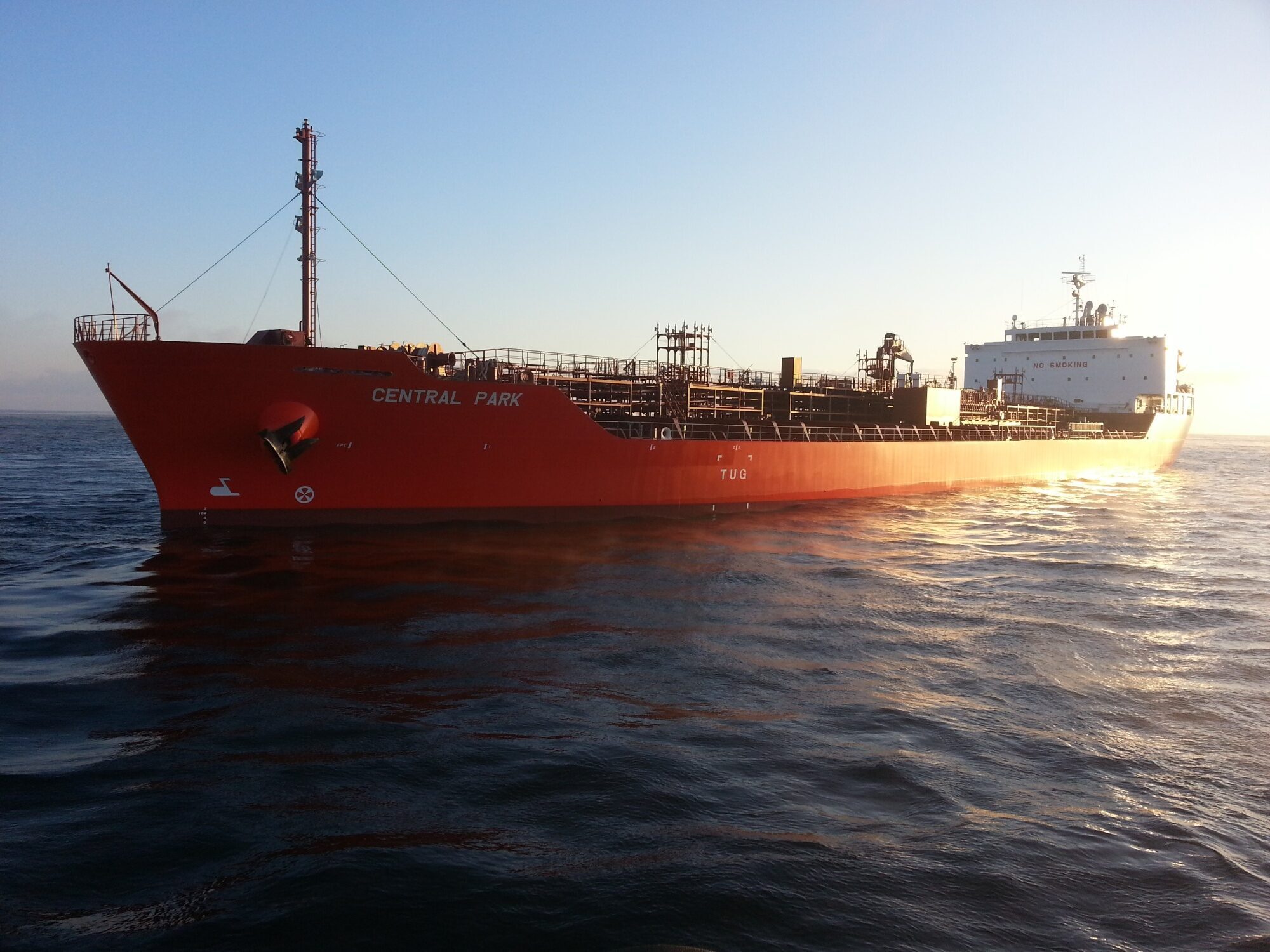
Central Park oil tanker
The Trump administration may temporarily waive the Jones Act to allow foreign tankers to move fuel between US ports as oil prices rise during the war in Iran

The Trump administration is planning to temporarily ease a century-old maritime rule as it looks for ways to deal with rising oil and gasoline prices during the war in Iran. According to people familiar with the matter, officials are considering short-term waivers that would allow foreign ships to help transport fuel between US ports.

The 30-day waivers for the Jones Act would allow foreign tankers to help supply refiners on the East Coast with fuel from the Gulf Coast and other parts of the United States. The people speaking about the plan were not authorized to discuss the matter publicly.

Comment: More from ZeroHedge:
One day after the Trump administration flip-flopped on using the Strategic Petroleum Reserve (SPR) - eventually deciding to release 172 million barrels to try and counter the rising price of oil, they're now planning to issue temporary waivers for a century-old maritime law, the Jones Act, that requires American-built ships to be used to transport goods between US ports, in yet another attempt to control crude.

The US government can temporarily waive the Jones Act, but it cannot permanently lift it without Congress. The law requires that goods transported between US ports be carried on ships that are US-built, US-flagged, and US-crewed. However, under the Merchant Marine Act of 1920 framework, the administration can grant temporary waivers if it determines they are necessary for national defense or in response to emergencies, typically through coordination between the US Department of Homeland Security and the US Department of Defense.
This isn't the first time Trump has used the privilege:

Trump waives shipping protectionist Jones Act for Puerto Rico for just 10 days - much longer time needed to bring in aid


Bad Guys

Whoops: US intelligence says Iran government is NOT at risk of collapse

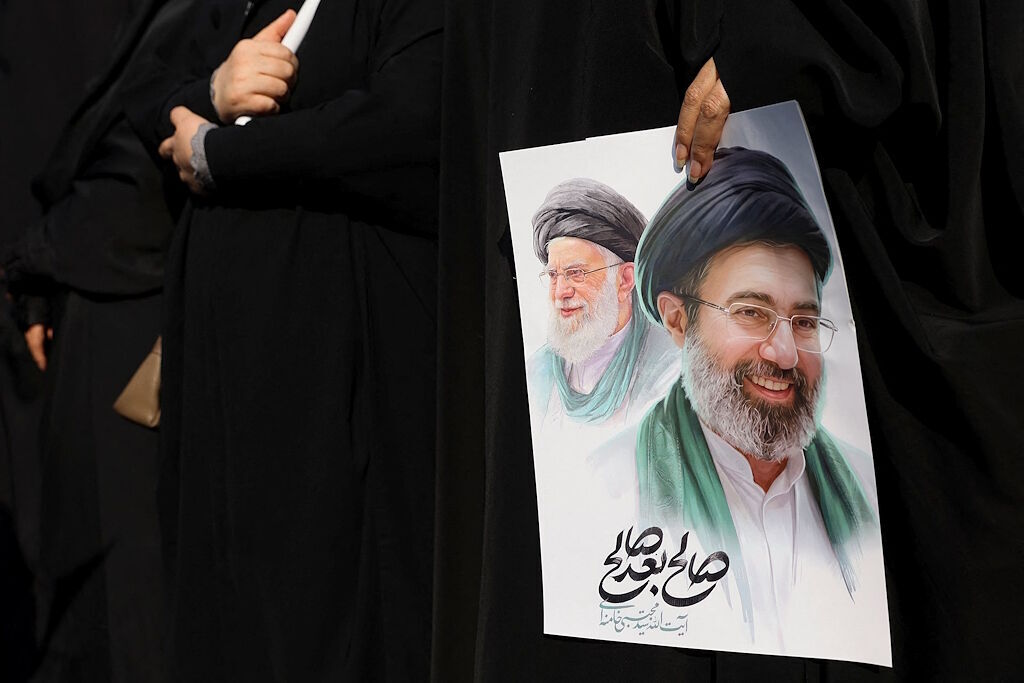
pictures Mojtaba Khamenei  Ayatollah Ali Khamenei iran funeral
© Majid Asgaripour/WANA/ Provided by third partyA woman holds an image of Iran's new supreme leader, Mojtaba Khamenei, alongside late Iranian Supreme Leader Ayatollah Ali Khamenei, during a funeral ceremony for the Iranian military commanders who were killed in strikes, amid the U.S.-Israeli conflict with Iran, in Tehran, Iran, March 11, 2026.
U.S. intelligence indicates that Iran's leadership is still largely intact and is not at risk of collapse any time soon after nearly two weeks of relentless U.S. and Israeli bombardment, according to three ​sources familiar with the matter.

A "multitude" of intelligence reports provide "consistent analysis that the regime is not in danger" of collapse and "retains control of the Iranian public," said one of the sources, all of whom were granted anonymity to discuss U.S. intelligence findings.

The latest report was completed within the last few days, the source said.

With political pressure building over soaring oil costs, President Donald Trump has suggested he will end the biggest U.S. military operation since 2003 "soon." But finding an acceptable end to the war could be difficult if Iran's hardline leaders remain firmly entrenched.

Comment: They had to be ruled out because the Iranian Kurds are not stupid and listened to the warnings of their Syrian brothers:


Attention

Iran's 'Samson Option'

Deterrence restored or nothing: the logic behind Tehran's next move.
Samson Option
© Kevork’s Newsletter
When the Strait of Hormuz closes, you don't need to be a military analyst to understand what just happened. You only need to understand what the world runs on. Oil. Gas. Shipping lanes. Insurance rates. Container schedules. Energy prices that decide whether factories hum or go dark, whether households heat or freeze, whether governments fall or survive. This is why serious analysts have been saying for years that Hormuz is not a "threat" Iran invented for propaganda; it is a structural red line that the U.S. and its allies kept treating like a bluff because they could not imagine a regional actor actually pulling the lever that exposes a vulnerability: dependence.

And this is why what we are watching now is a massive U.S. miscalculation that will be studied later the way the Iraq invasion is studied today, with the same disbelief that decision-makers could be so arrogant, so blind, and so certain that the other side would fold.

Because Washington didn't only miscalculate Iran's will. It miscalculated geography, logistics, and blowback. It miscalculated the fact that the U.S. empire in the Middle East is not a fortress; it is a web of exposed arteries: bases scattered across Gulf monarchies, troops housed in predictable locations, air defenses that are expensive and finite, radars and communications nodes that can be degraded, and a regional order that can be shaken with one choke point.

You can see the arrogance in the assumptions. For years, Iran warned that if its survival is threatened — if the U.S. and Israel push the conflict into an existential zone — Hormuz becomes part of the battlefield. Washington heard that and filed it under "Iranian theatrics," because the American political class is addicted to the idea that their enemies always bluff, while they alone possess the right to act.

But Iran was not bluffing. Iran was describing the rules of an environment where deterrence is the only language that keeps you alive.

Hormuz was always the red line

The Strait of Hormuz is the world economy's pressure point, and the fact that it remained open for years was not proof of Western strength. It was proof that Iran understood escalation control, because keeping Hormuz open — even while under sanctions, sabotage, assassinations, and constant threats — was Iran's way of signaling restraint.

The West interpreted that restraint as weakness.

That's the miscalculation.

Washington assumed Iran would keep absorbing blows, keep taking "limited strikes," keep responding in contained ways, because Washington has lived for decades inside a fantasy where escalation is something the U.S. controls. But in a real war environment, you don't get to decide the boundaries alone. The other side gets a vote. And Iran's vote is written in the geography of the Gulf.