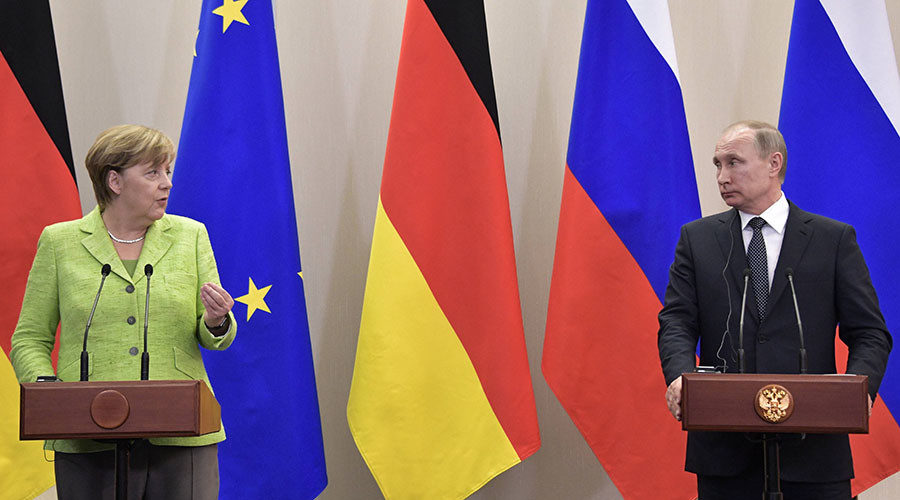
© Aleksey Nikolskyi / Sputnik
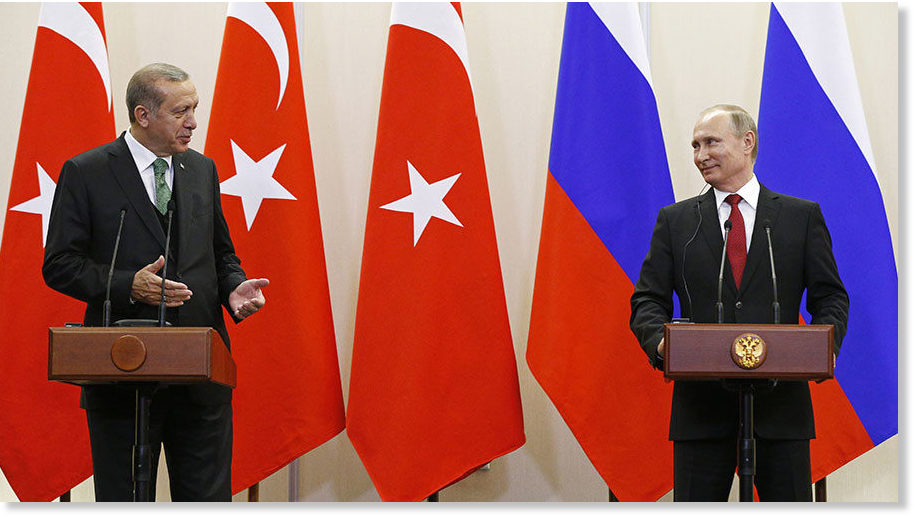
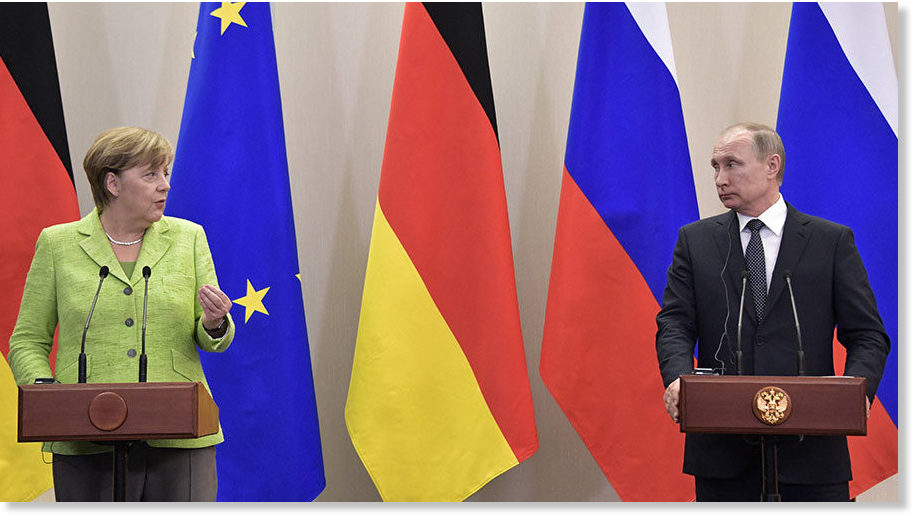
It's been a busy couple of days for Vladimir Putin. He's welcomed Angela Merkel and Recep Tayyip Erdogan to Sochi and engaged Donald Trump on North Korea and Syria.
Even if she loses power this year, Merkel's visit mattered greatly. The prevailing situation where Europe's last two great powers, Germany and Russia, are at loggerheads benefits nobody on this continent. That said, it suits the fundamental US foreign policy goal of preventing a Russian-German rapprochement, which is the only realistic threat to its continuing dominance of the Eurasian space. German-Russian relations have always fluctuated ferociously. From alliance to all-out war, with interregnum periods ranging from fulsome friendship to nervous mutual suspicion. Right now, it's fair to say the pendulum is fixed to the latter position. And this situation is tragic for a struggling Europe.
In the past two hundred years, the pair have been all over the shop. After Russia helped liberate the Germans from Napoleon, they got on pretty well for most of the 19th century. However, at the start of 20th, the Kaiser and Tsar fought each other in the Great War before finding accommodation in the 1920's as Teutophile Vladimir Lenin promoted connections with Berlin, a fellow pariah at that juncture. The detente didn't last long. Because the Weimar Republic collapsed into fascism, and soon ideological opponents Adolf Hitler and Josef Stalin were engaged in various proxy wars, most notably in Spain.
By 1941, the Nazis had invaded the Soviet Union in Operation Barbarossa, at one stage reaching the outskirts of Moscow. But the Russian-dominated forces fought back and eventually captured Berlin in 1945. As a punishment, the Kremlin seized some German territory for Russia and reassigned more to Poland, which had suffered terribly as the two great powers clashed. To add insult to injury, for the next 44 years, the USSR maintained de-facto control of around 30 percent of the shrunken nation, through its GDR satellite.


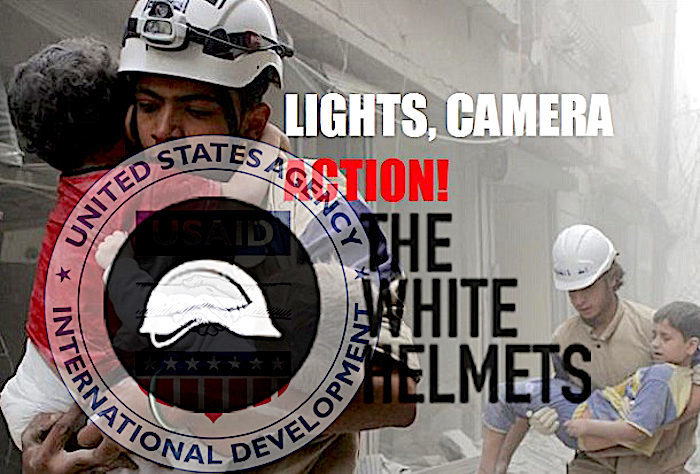










Comment: One of President Trump's main foci in his campaign was to reign in the outpouring of US citizen tax dollars to outside sources. If he does this, it will naturally curtail the US's dictatorial stance and empirical influence over countries of lesser status and means. If the US was giving away substance and financial aid for purely humanitarian reasons, that would be one thing. Instead, it has used it as a lever, as a means to an agenda, as a way into the core other countries in order to destabilize and exercise control.