
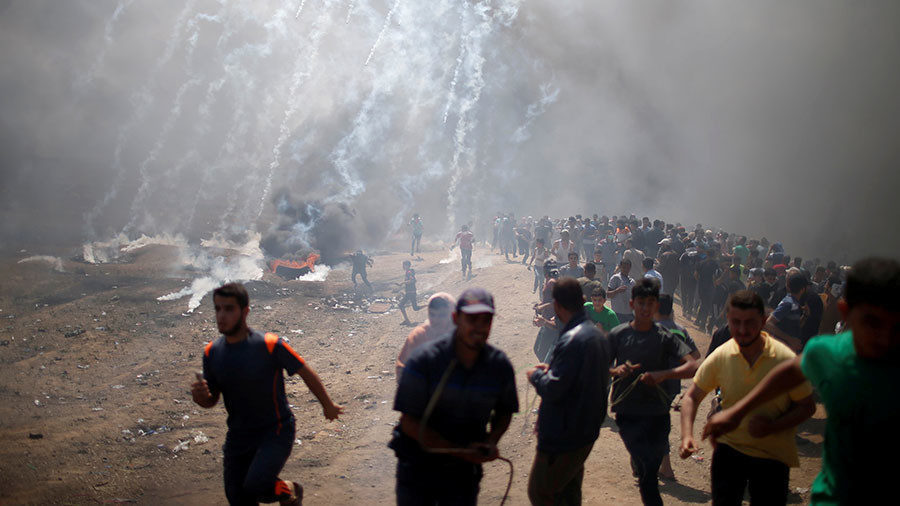
© Mohammed Salem / Reuters
Not only that, but on the very anniversary of one of the most shameful episodes of ethnic cleansing and dispossession over the past century - the 1948 Nakba or Catastrophe for Palestinians - the US government is brazenly siding with the heirs of that historic violence, the Israeli state.
Trump's wholesale abandonment of any shame in endorsing Israeli violations against Arab historic rights is an incitement to regional conflagration.
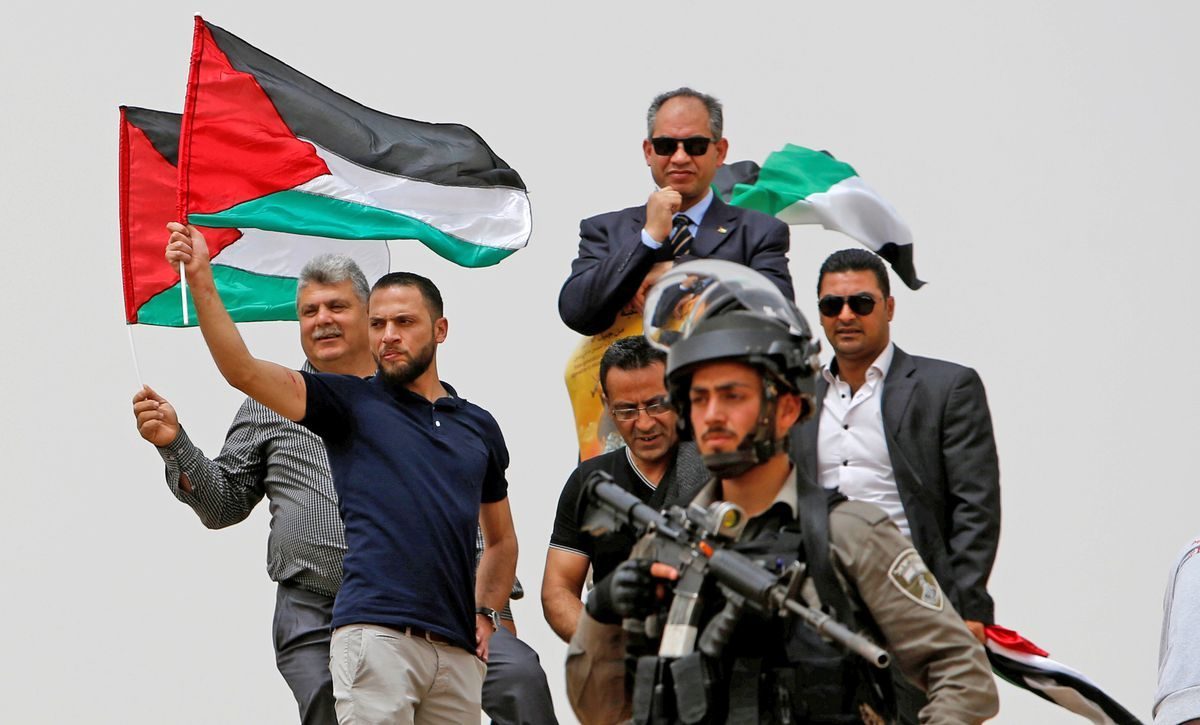
It's hard to express the horror. Israeli snipers shooting unarmed Palestinian protesters in Gaza, while some 100 kilometers away in Jerusalem, US dignitaries and evangelical pastors were blessing the opening of Washington's new embassy as 'God's work'.
US President Donald Trump's policy in the Middle East, if you could call it "policy", has descended into absolute lunacy. No wonder, most European states stayed away from the US reception for unveiling its new diplomatic center.













Comment: